

ICEout.tech: Tech Workers Condemn White House Compliance
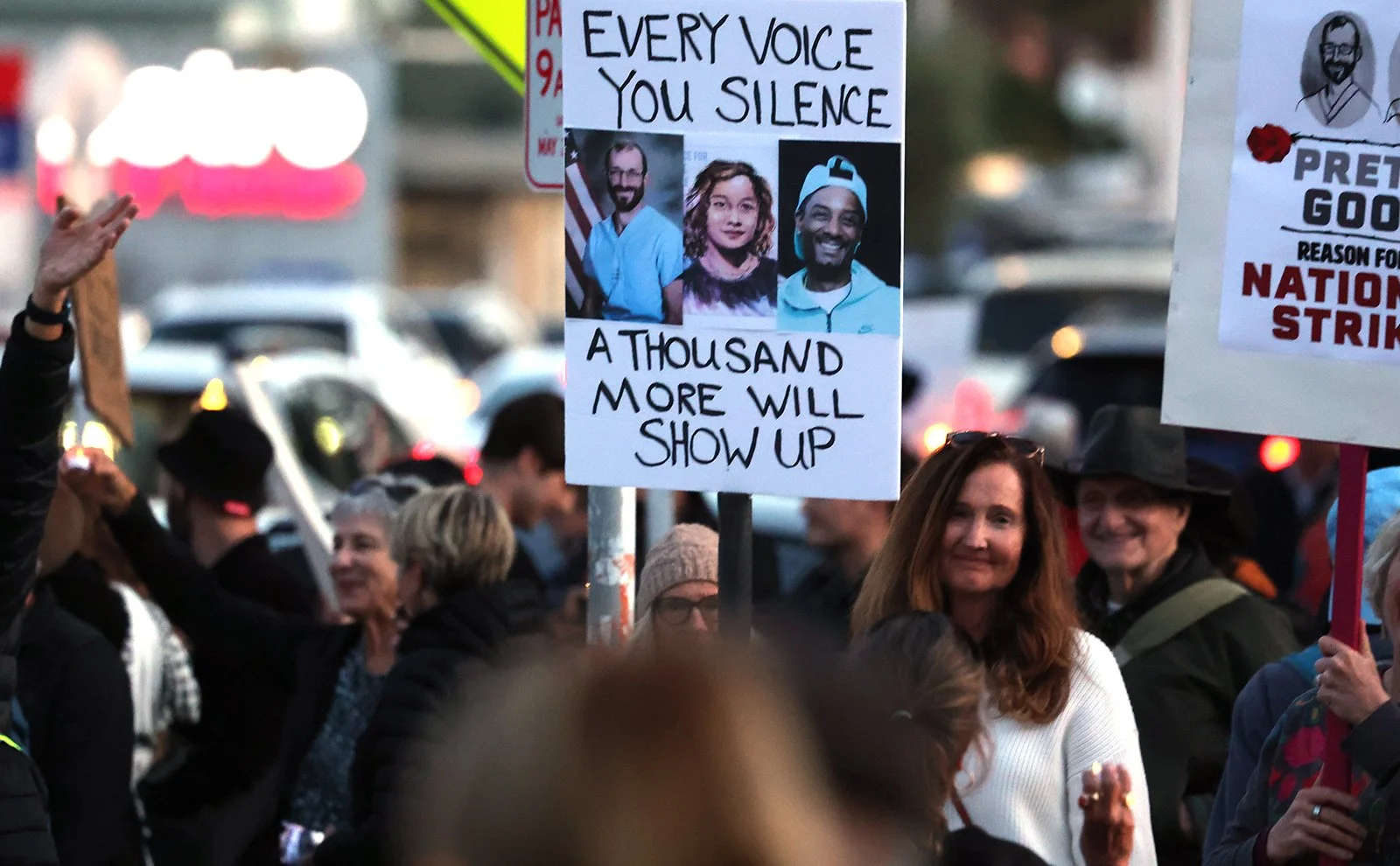
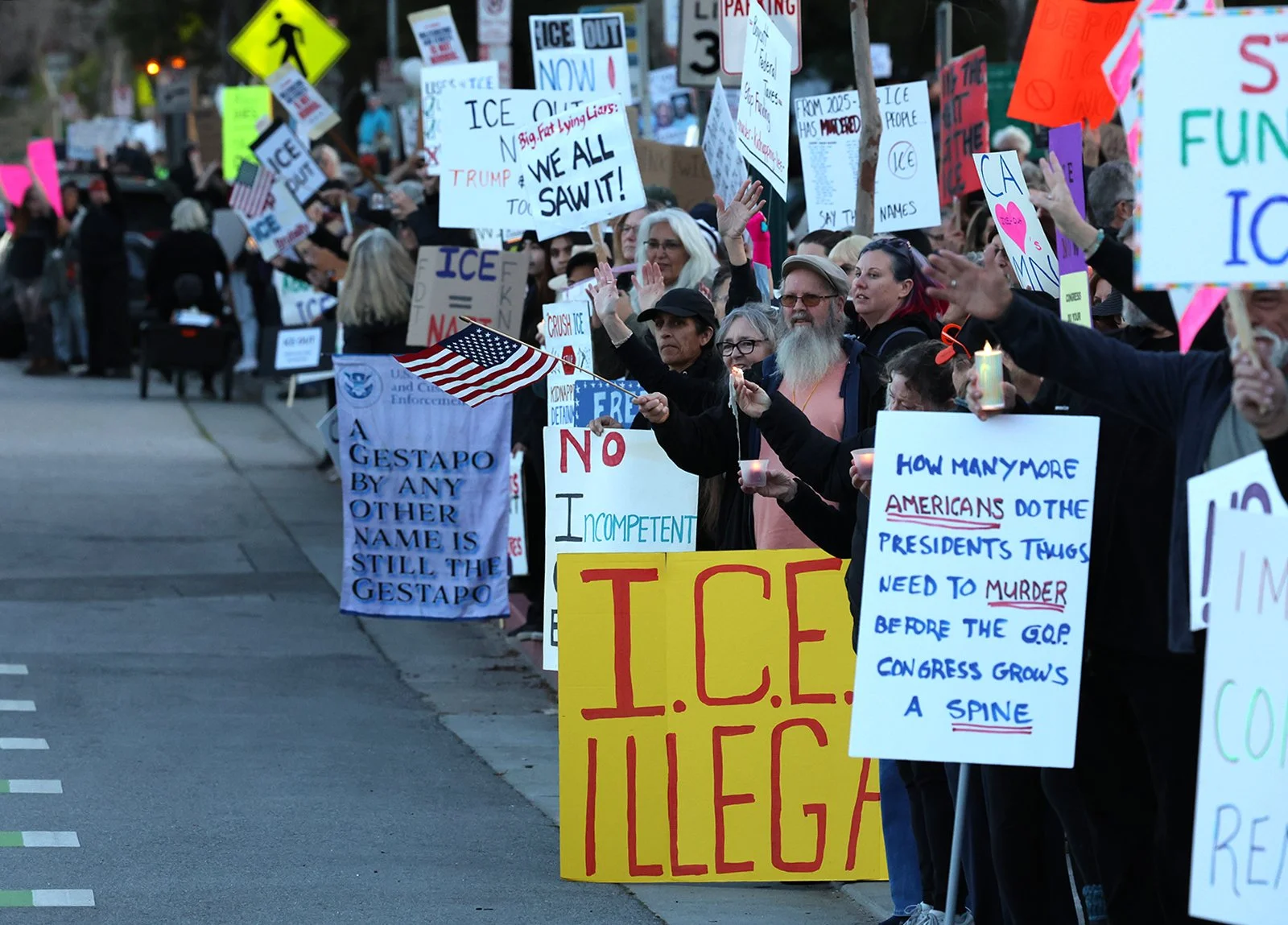

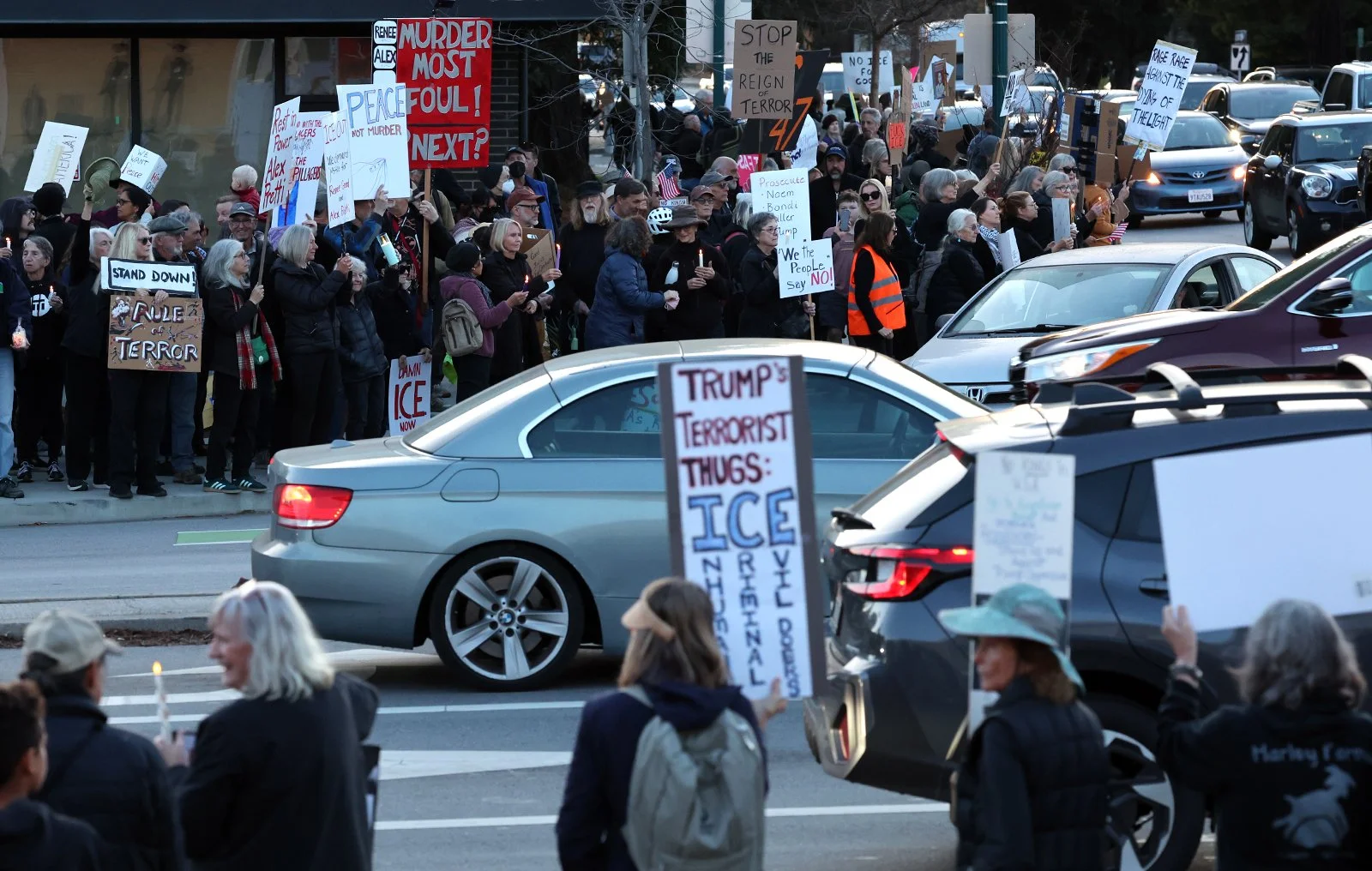
Photo credits Shmuel Thaler / Santa Cruz Sentinel - Photos from City of Santa Cruz Protest
Following the events in Minneapolis over the past weeks, which have resulted in the deaths of Renee Good and Alex Pretti, A growing number of tech workers are pushing back against what they see as an increasingly dangerous entanglement between Big Tech and U.S. immigration enforcement.
More than 450 employees across companies, including Google, Amazon, Meta, Salesforce, and OpenAI, have signed an open letter calling on their CEOs to urge the White House to remove ICE from U.S. cities and to end corporate contracts that support large-scale immigration enforcement. The ICEout.Tech pledge states:
We are tech industry professionals in the United States. We all witnessed ICE brutally kill a US citizen on the streets of Minneapolis. Then, the Trump administration brazenly lied about what happened. We didn’t get here overnight. For months now, Trump has sent federal agents to our cities to criminalize us, our neighbors, friends, colleagues, and family members. From Minneapolis to Los Angeles to Chicago, we’ve seen armed and masked thugs bring reckless violence, kidnapping, terror, and cruelty with no end in sight. This cannot continue, and we know the tech industry can make a difference. When Trump threatened to send the National Guard to San Francisco in October, tech industry leaders called the White House. It worked: Trump backed down.
Today we’re calling on our CEOs to pick up the phone again:
1. Call the White House and demand that ICE leave our cities.
2. Cancel all company contracts with ICE.
3. Speak out publicly against ICE’s violence.
We want to be proud to work in tech. We want to be proud of the companies we work for. We can and must use our leverage to end this violence. If you agree, sign below, and spread the word: ICEout.tech
For many workers, the recent events in Minnesota brought to light long-simmering concerns that the technologies their companies provide are being repurposed to enable aggressive, and at times deadly, government actions.
Under the Trump administration, critics argue that the relationship between political power and Silicon Valley has become more explicit. Beyond well-known contractors like Palantir, ICE is now reportedly seeking access to commercial big data and advertising tools originally designed to track and influence consumers. Some of the most powerful CEOs in tech have shown their support for the Trump administration, attending the Inauguration and complying with their requests.
Since Donald Trump's return to the White House, Microsoft has complied when the FBI came to them last year without a warrant and asked them to hand over keys to unlock encrypted data as part of an investigation into potential fraud. Apple, Google, and others now routinely comply with government data requests, once resisted. As of September 2025, Microsoft has agreed to give the U.S. General Services Administration $3.1 billion in potential savings over the course of a year on cloud services used at government agencies. Tech giant Apple is under fire for its removal of ICEBlock, an app that allows users to submit sightings of US immigration officers, and similar software from its App Store, following pressure from President Trump.
Over the past year, the alignment of big tech and the Trump administration has expanded the use of surveillance technologies—license plate readers, facial recognition, and location tracking—dramatically increasing the speed and reach of immigration enforcement.
Together, these developments have raised urgent questions: how much power do tech companies wield? Whose interests do they ultimately serve? And what does it mean when the tools shaping modern life increasingly align with state authority?
