

The Guy Who Stayed: Tony Nuñez
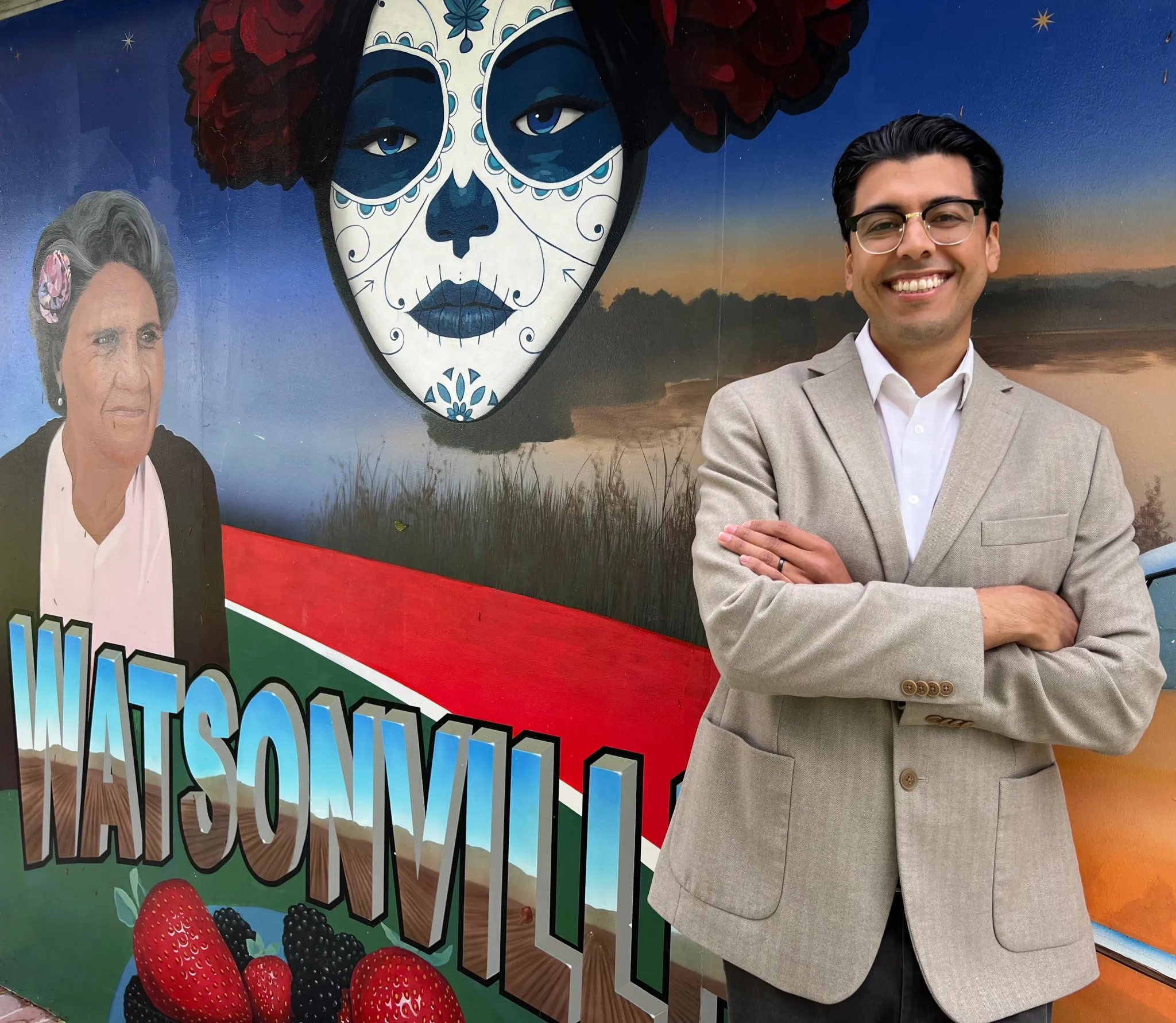
There's a certain kind of ambition that looks like leaving. You grow up in a place, you get good at things, and eventually the world pulls you somewhere else — somewhere with more runway, more money, more visibility. That's the story we tell about talent in America.
Tony Nuñez didn't leave.
He grew up in Watsonville, went to Watsonville High, came back after college, took a job at the local paper, and then — when journalism contracted, as it does everywhere now — found another way to stay useful. Today he's the Marketing and Communications Manager at Community Bridges, the sprawling Santa Cruz County nonprofit that quietly holds together a lot of what social infrastructure looks like in South County: Meals on Wheels, transportation for seniors, family resource centers, early childhood programs. The kind of organization most people don't think about until they need it, and then can't imagine living without.
What's interesting about Nuñez isn't any single role. It's the accumulation of them — and what they add up to.
A decade in regional journalism taught him something that most communications professionals never quite learn: that the gap between what institutions say and what residents actually experience is almost always wider than anyone admits. You learn that gap by covering it. By sitting in the room when the story doesn't match the press release. That skepticism, turned inward, tends to make people either cynical or careful. Nuñez seems to have become careful.
That carefulness shows up in his work at the Pajaro Valley Health Care District, where he serves as board chair overseeing Watsonville Community Hospital. The hospital nearly collapsed into bankruptcy a few years ago — a story that would have been catastrophic for a community that already faces significant barriers to healthcare access. Nuñez was part of the group that helped steer it into public ownership, turning what could have been a civic loss into something more durable.
None of this is glamorous work. It doesn't generate national coverage or TED talks. It's the work of showing up, repeatedly, to meetings about operational partners and board governance and communications strategy for a nonprofit whose job is to make sure an elderly person gets a hot meal on Tuesday.
That's the thing about places like Watsonville. They don't lack for problems or for people who care. What they often lack is institutional continuity — people who understand the history, hold the relationships, and stay long enough to see things through. Nuñez has been in the room long enough that he's become part of the connective tissue.
He is also, as of this spring, a candidate for the District 4 seat on the Santa Cruz County Board of Supervisors.
Whether he wins or loses, the more durable question his career poses is a simple one: what does it mean to build something in the place you're actually from?
Watsonville has at least one answer: Tony Nuñez