What Can DNA Do for a Dying Species? Come Find Out.
A free public afternoon of talks, panels, and live demos explores how genomics is becoming one of conservation's most powerful tools — from ancient mammoths to California kelp forests.
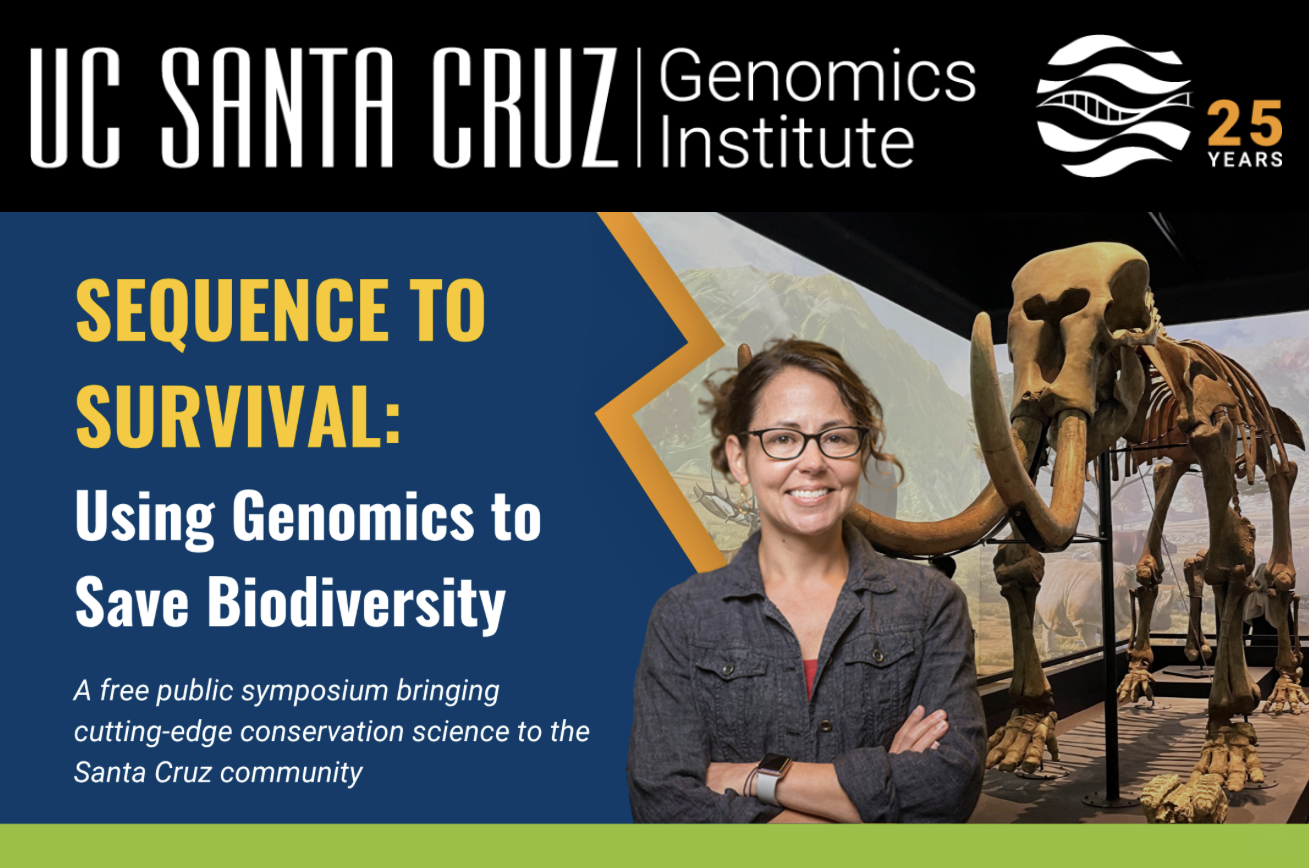
Twenty-five years after scientists completed the Human Genome Project, DNA sequencing has expanded far beyond human biology. Researchers have now mapped the genomes of thousands of species, and they're using that knowledge to fight extinction. But how exactly? That's the question at the heart of Sequence to Survival, a free public event hosted by the UC Santa Cruz Genomics Institute on May 1.
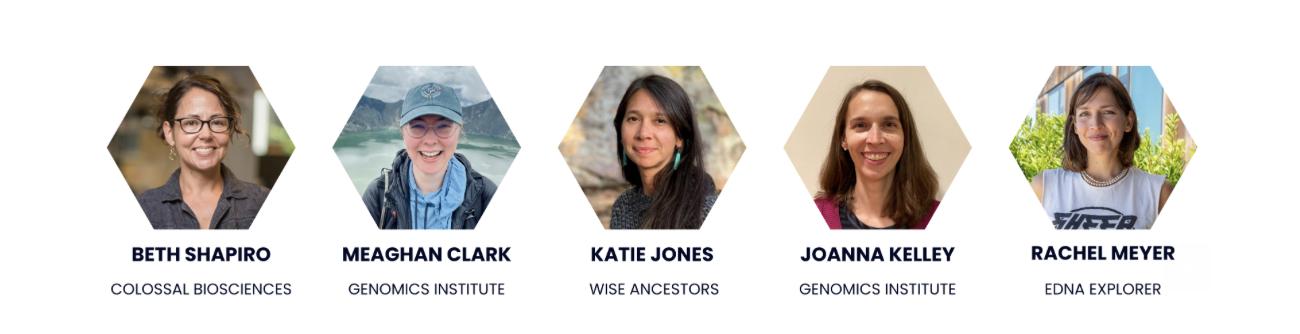
The afternoon kicks off with a keynote from Beth Shapiro, Chief Science Officer at Colossal Biosciences, UCSC professor, and one of the world's leading voices on de-extinction, who will tackle the provocative question: how, and why, would you clone a mammoth? From there, a panel of UCSC researchers working across species from brown bears to coastal kelp will dig into conservation genomics in practice, including partnerships with Indigenous communities, nonprofits, and industry.
The event closes with a hands-on science fair where visitors can explore live demonstrations and speak directly with researchers from some of the country's top conservation genomics labs.
1:00 PM - Keynote: "How (and why) to clone a mammoth"
Beth Shapiro, Chief Science Officer, Colossal Biosciences & UCSC Professor
2:00 PM - Panel: Conservation genomics in action
Researchers working on kelp, brown bears, and more — with industry, nonprofit, and Indigenous collaborators
3:00 PM - Science fair showcase
Live demos from leading conservation genomics labs — come curious
Admission is free, but registration is required. Parking is available on a limited basis. Carpooling, biking, and public transit are encouraged!