

Replacing Cemex’s Ghost With a Town
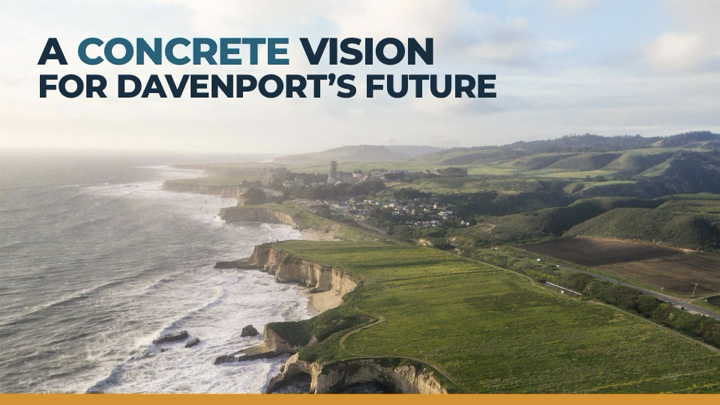
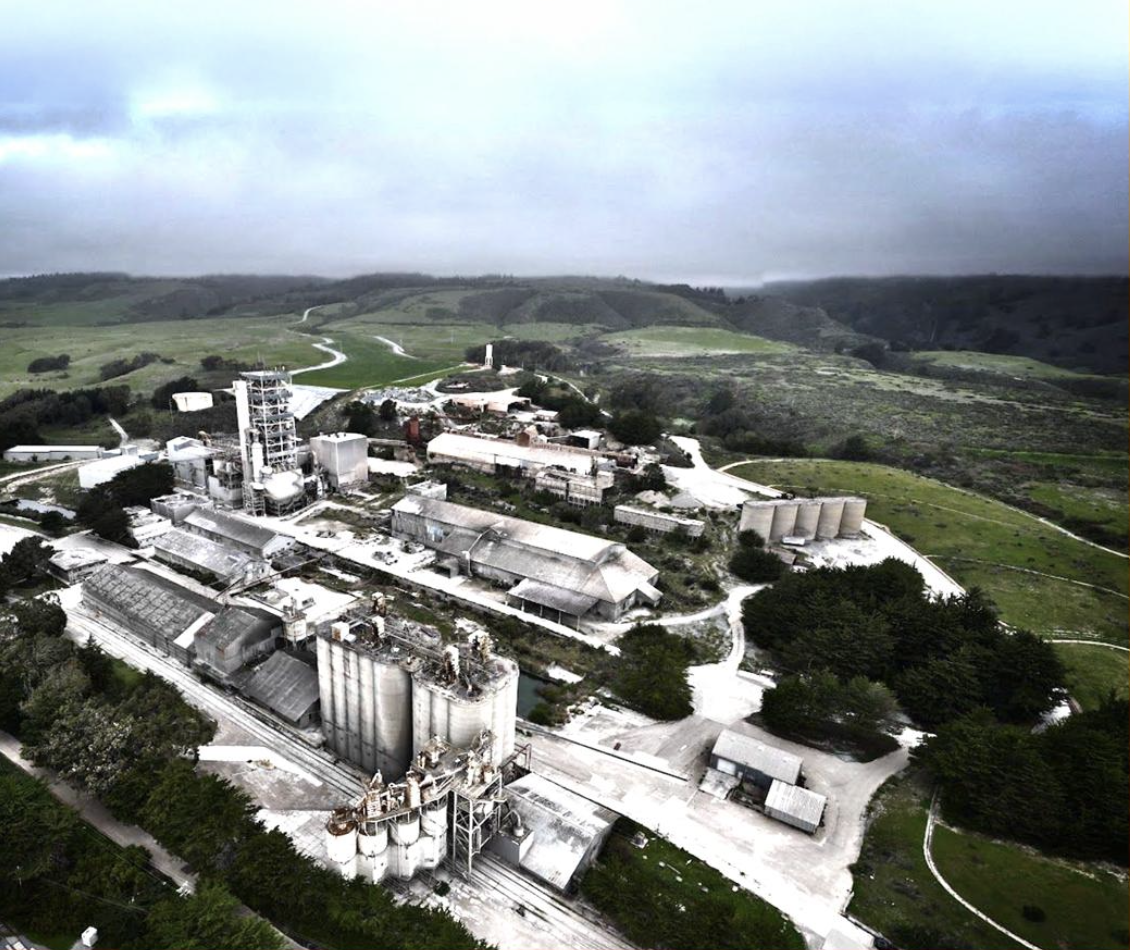
There’s a particular kind of Californian ruin that feels less like blight and more like a moral argument. The idle Cemex cement plant in Davenport is one of them: crumbling buildings and rusted machinery marooned on a coastline so beautiful it almost seems staged. It has sat there for more than three decades, a dead industrial monument wedged between what Davenport was and what it could be.
And in California, long timelines are not just a nuisance, they are destiny. Joby Aviation, the rare homegrown company moving at “the future is already late” speed, reportedly looked at the site as a potential headquarters and production facility, then walked away. The cleanup and construction horizon was too long for a world leader in eVTOL trying to scale in real time. That little anecdote is the whole story of modern California in miniature: extraordinary assets trapped behind extraordinary process.
Now comes a proposal that’s less “let’s land a shiny new industry here” and more “let’s finally make the place work for the people who already live here.” The Pacific School Foundation wants to acquire the Cemex property, demolish the dilapidated structures, remediate industrial contamination, and build a new town center that stitches together Davenport’s Old Town and New Town with something like an actual civic heart.
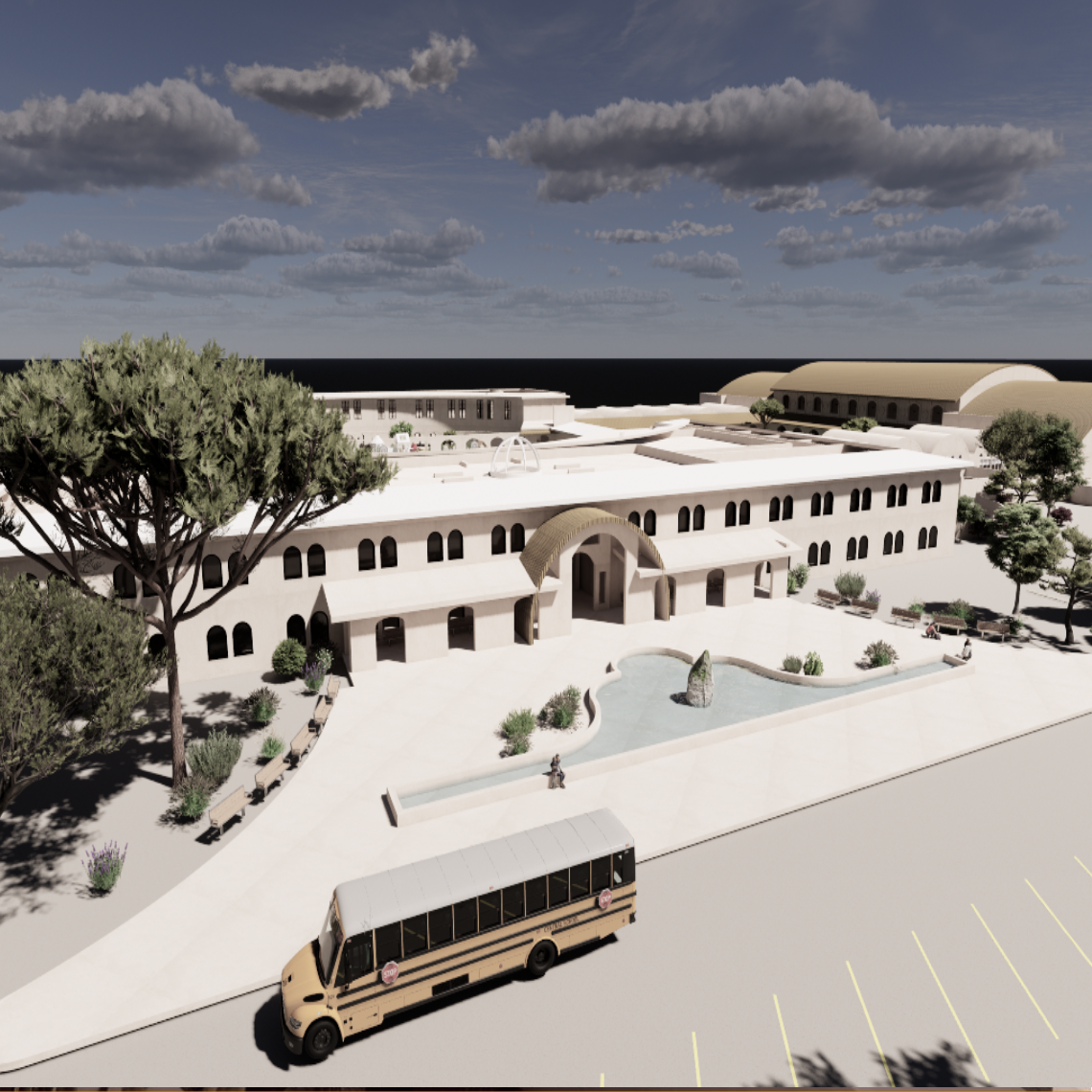

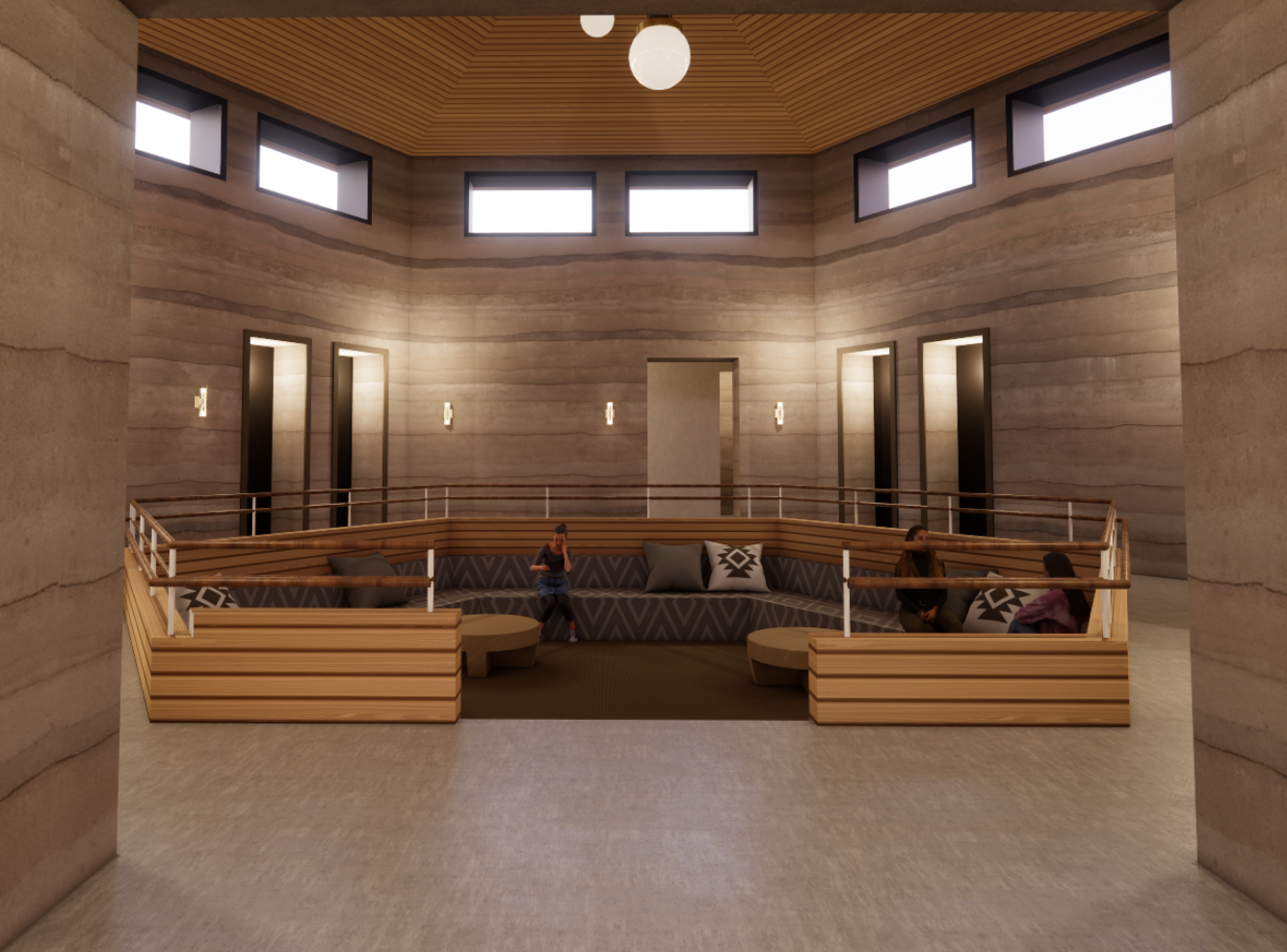
If you zoom out, the idea is almost aggressively practical. Right now, Davenport’s essential services are scattered and undersized: Pacific Elementary is cramped and in disrepair; the fire station struggles for volunteers; the sheriff rents desk space; the post office is cramped; the Resource and Service Center is small and awkwardly located. The plan consolidates these functions into a central “Midtown” anchored by a town green, parking around a square, and a dedicated community meeting space, replacing inadequate facilities with buildings that fit the town’s needs.
But the real move is housing. The proposal explicitly ties affordability to service delivery: build staff housing on sites currently occupied by institutions so workers can live where they work. That’s not a lifestyle brand, it’s an operations strategy. It reduces long commutes on a congested road, improves retention for cash-strapped public employers, and helps local restaurants and stores that currently struggle in a town with too few stable jobs and too few locals able to stay.
It even tries to tackle the unglamorous physics of small-town California: water. By incorporating water storage and adding more rate payers, the plan argues it can reduce extremely high water rates that are currently concentrated on too few households.
Notice what’s missing: the usual coastal-development roulette wheel. The materials here explicitly reject the familiar “tourist economy” pivots (resort, eco-lodge, generic visitor-serving uses) as extraction machines that siphon profits out of the community, increase traffic on the only road, and trade durable livelihoods for low-wage service work. They also note that other reuse ideas have been floated and found wanting, from industrial manufacturing to senior housing.
In other words: this is a proposal to treat a poisoned, stalled site not as a blank canvas for the next big thing, but as the missing keystone in the town Davenport already is. It’s also a test of whether California can still do the most basic form of progress: take a broken, contaminated relic and turn it into housing, services, and a public square before another 30 years go by.
For further information, please contact Eric Gross: egross@pacificesd.org