

Localfit Wants to Make Local Markets Work Better for Local Makers

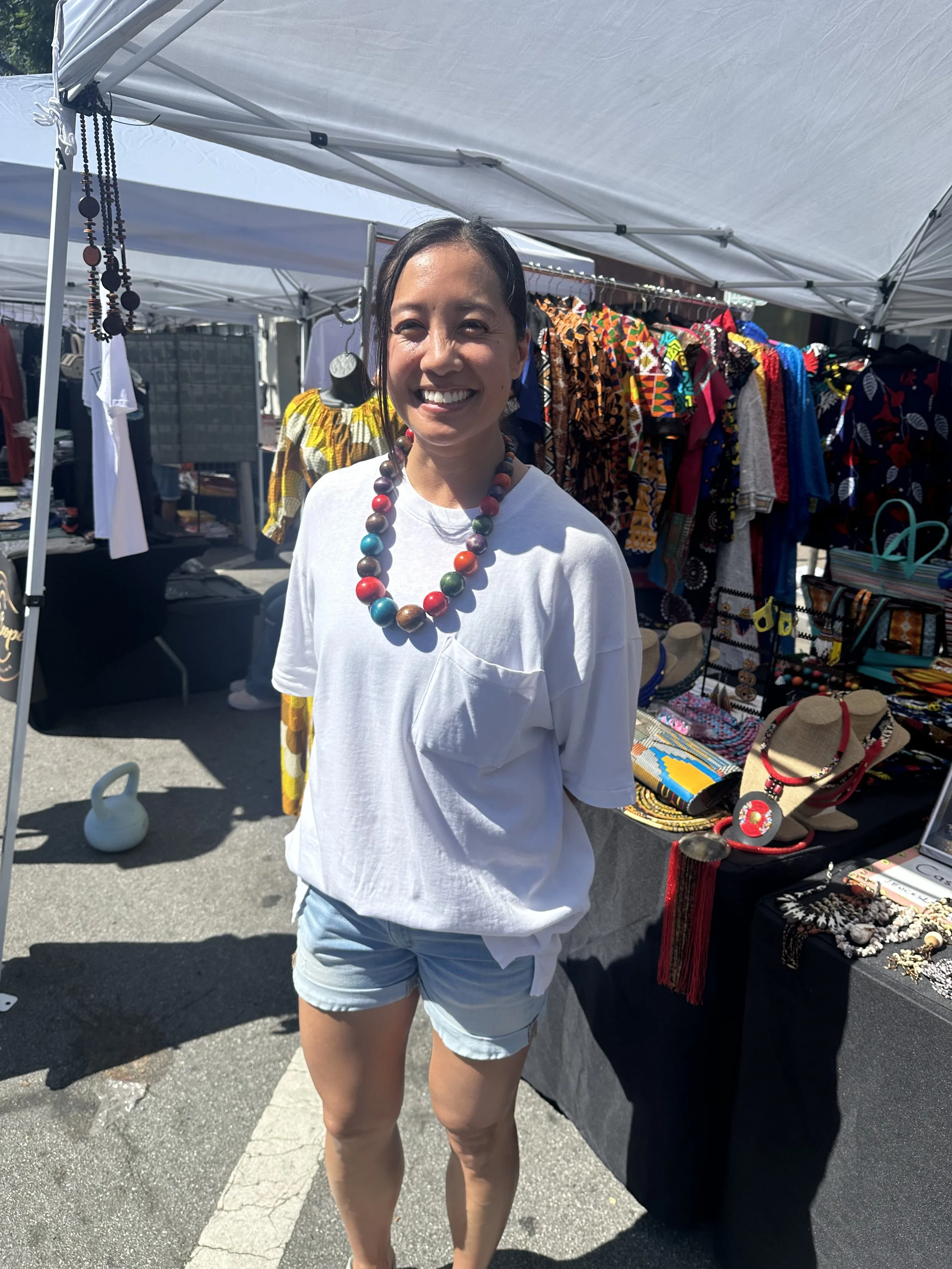
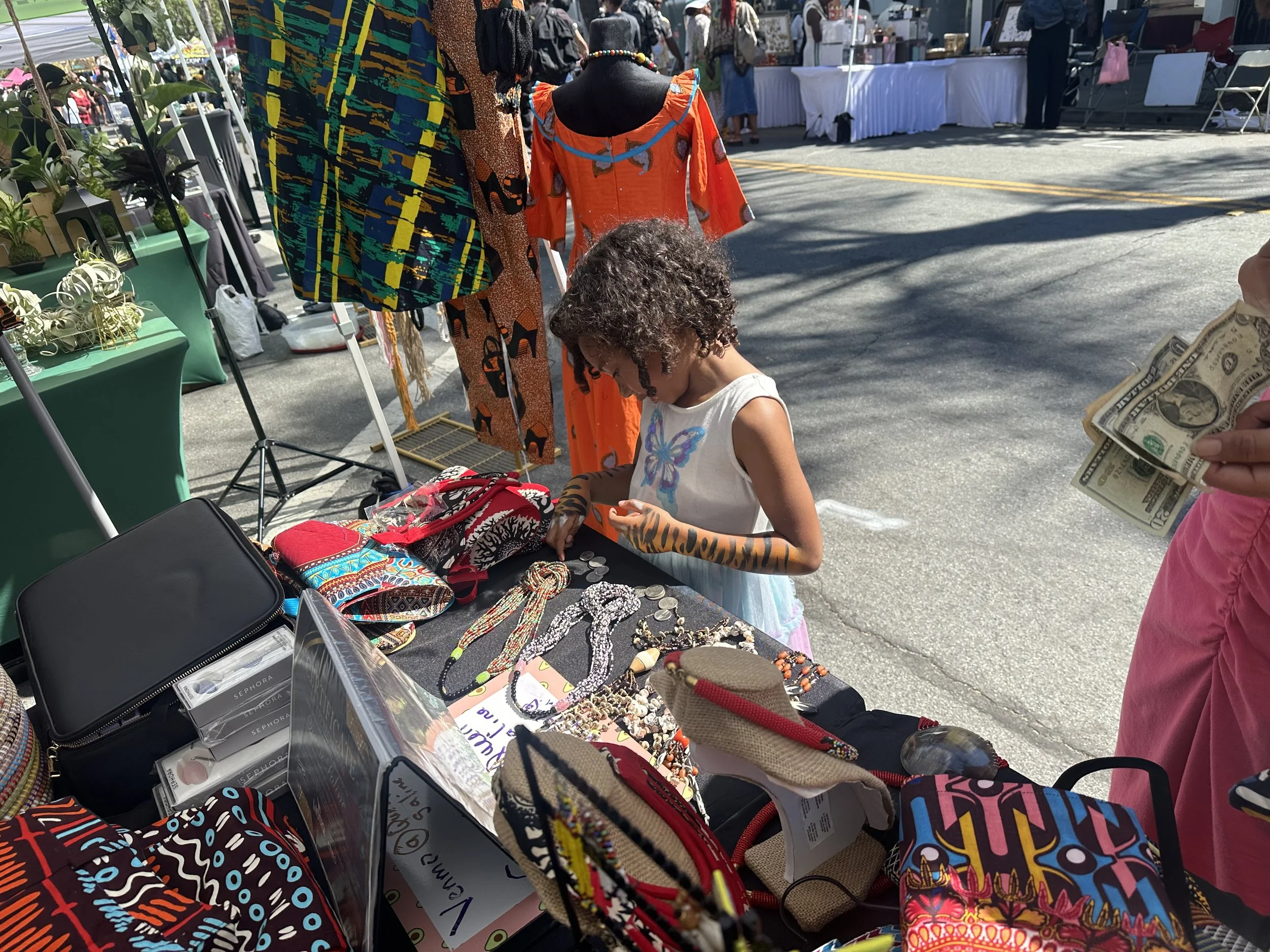
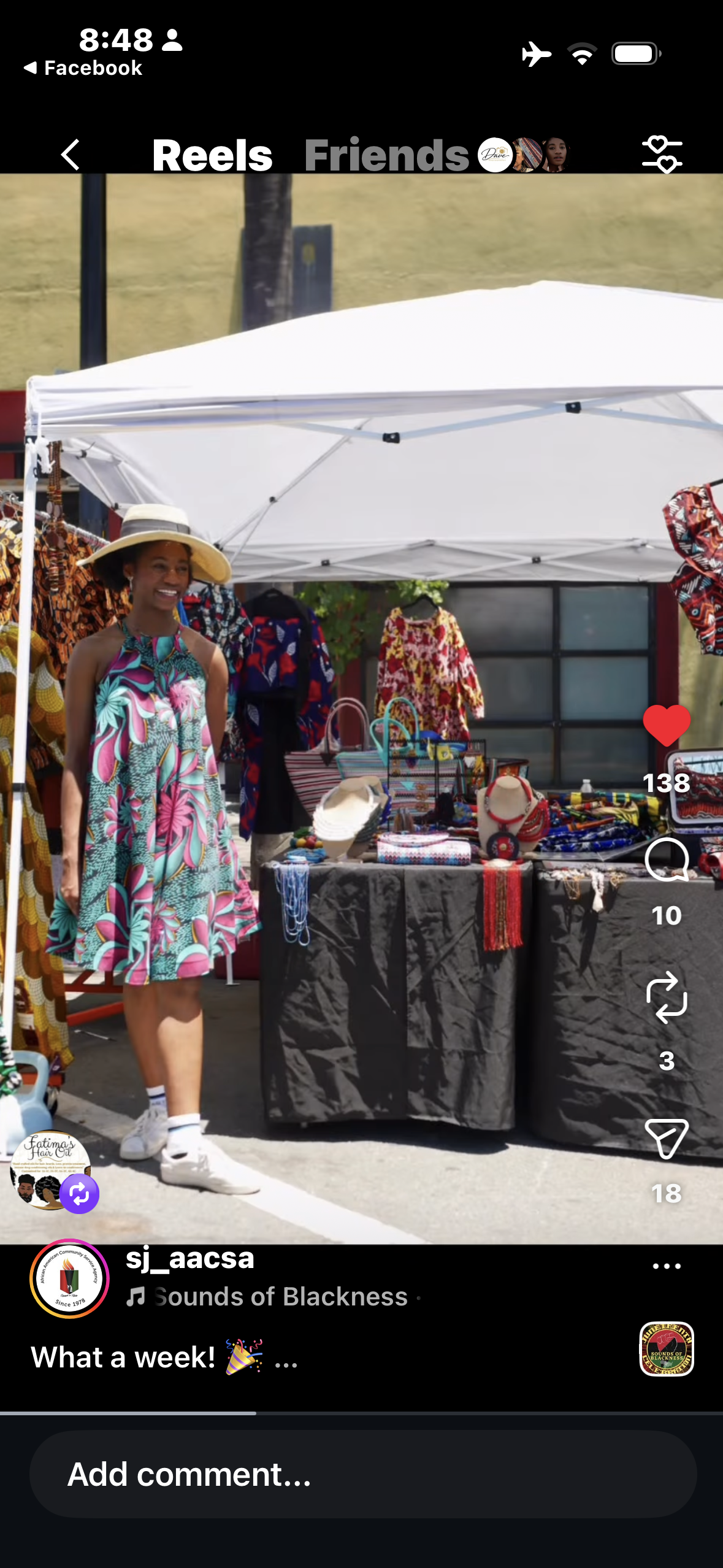
The farmers market has always been more than a place to buy and sell. It is a town square, a gathering place where neighbors discover what their community makes, where small businesses meet their first loyal customers, and where local money has a chance to stay local.
For many independent makers, performers, and small business owners, though, finding the right market is harder than it should be. The opportunity may be there, but the path to it is often unclear. Which events draw the right customers? Which ones are worth the booth fee? Which markets support apparel, skincare, art, food, performance, or handmade goods? For business owners with limited time, limited budgets, and little experience navigating vendor applications, the process can feel like guesswork.
Localfit was built to change that.
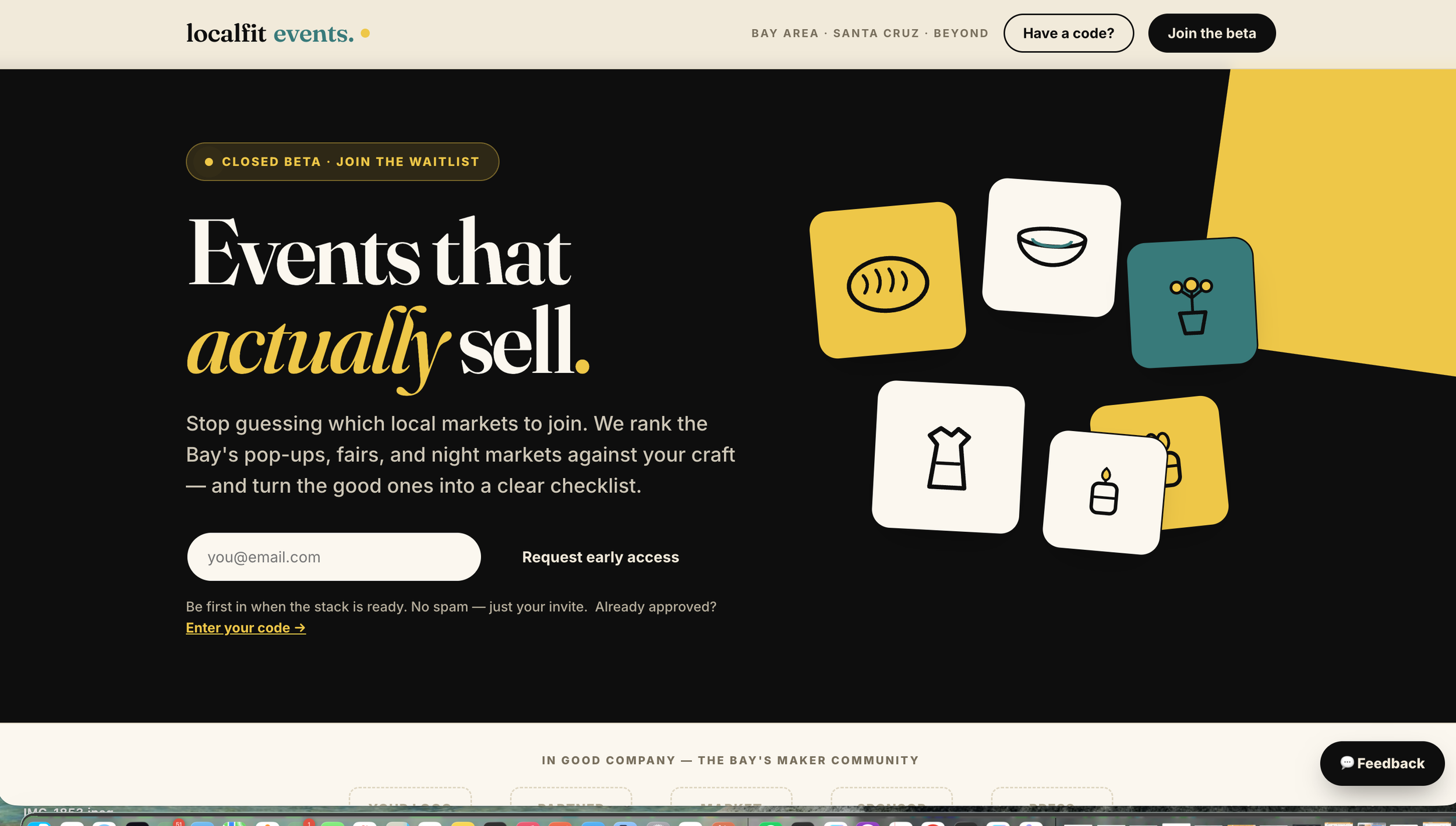
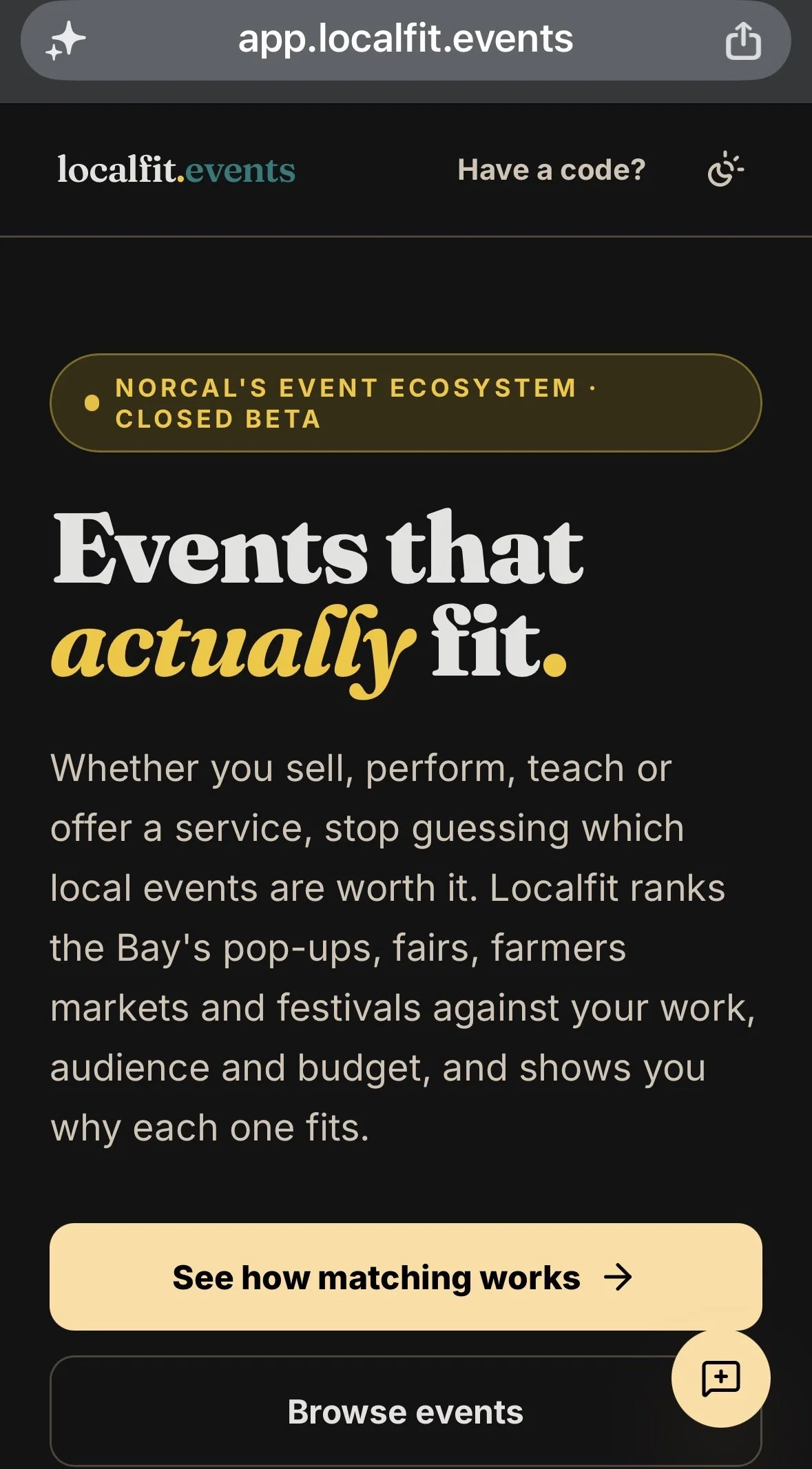
Now in closed beta, Localfit helps Bay Area and Santa Cruz makers find in-person vendor events that match their products, budget, audience, and goals. Its purpose is practical, but its vision is bigger: to strengthen local patronage of local and regional products by helping the people behind those products sell, learn, and grow in the markets that fit them best.
The idea comes from lived experience. Localfit’s founder spent time as an apparel vendor and as a dance performer searching for events that matched her audience. She also saw friends and family members who are also small business owners with low budgets, limited technical savvy, and little access to insider information — struggle to figure out where to show up, what to apply for, and how to make each opportunity count. Localfit was inspired by that gap between talent and access.
The platform asks makers what they sell, how much they can spend, how far they are willing to travel, and what they are trying to accomplish. From there, it ranks pop-ups, fairs, farmers markets, night markets, and other local events on a transparent 100-point scale. Instead of forcing vendors to rely on scattered Instagram posts, word of mouth, or expensive trial and error, Localfit explains why an event is a good match.
That explanation matters. A maker is not just looking for any open booth. A skincare brand may need a wellness-friendly crowd. An apparel designer may need shoppers who value handmade fashion. A performer may need an event with the right audience energy. A first-time vendor may need a lower-cost market where they can test products, learn from customers, and build confidence.
Localfit is designed to make those choices clearer.
The platform also helps with what happens after a vendor finds a promising event. For each match, Localfit pulls together the application details: deadlines, booth fees, requirements, permits, what to bring, and the organizer link. Vendors can then track opportunities in one place as saved, applied, accepted, or passed. What once lived across browser tabs, screenshots, DMs, and notes becomes a single, organized board for a maker’s season.
The company’s sample profile shows how the tool works. “Maya R.” of Folded Light Studio in Oakland makes bespoke apparel and botanical skincare, has a booth budget of up to $300, travels up to forty miles on weekends, and is focused on holiday sales. Localfit ranks SJMADE Holiday Fair as a 94 because it is juried, design-led, and open to apparel and body care. It ranks Renegade Craft in San Francisco as an 89 and Oakland First Fridays as an 86 because of its local reach and lower cost. The point is not only to suggest events, but to show the reasoning behind the suggestion.
At its core, Localfit is making an argument about local economies. In-person markets are one of the most direct ways for communities to support the people who make, grow, cook, design, perform, and create close to home. But access to those markets should not depend only on who already knows the organizer, who has time to search endlessly, or who can afford to make the wrong choice.
Localfit wants to make discovery more equitable, more transparent, and more useful.
For makers, that means finding better-fit events. For market organizers, it means reaching vendors who are more prepared and aligned with their audience. For communities, it means more chances to support local and regional products in person, where relationships are built face to face.
The company is still in closed beta, and full matching will unlock at launch. Localfit is bringing makers in gradually while it finishes the platform and tests the strength of its recommendations against real-world results. The real proof will come on market days — when vendors set up their tables, meet their customers, and see whether the match truly works.
But the vision is clear: help local business owners stop guessing, start growing, and find the markets where they belong.