

The High Schoolers Building an Actual Airplane (No, Really)
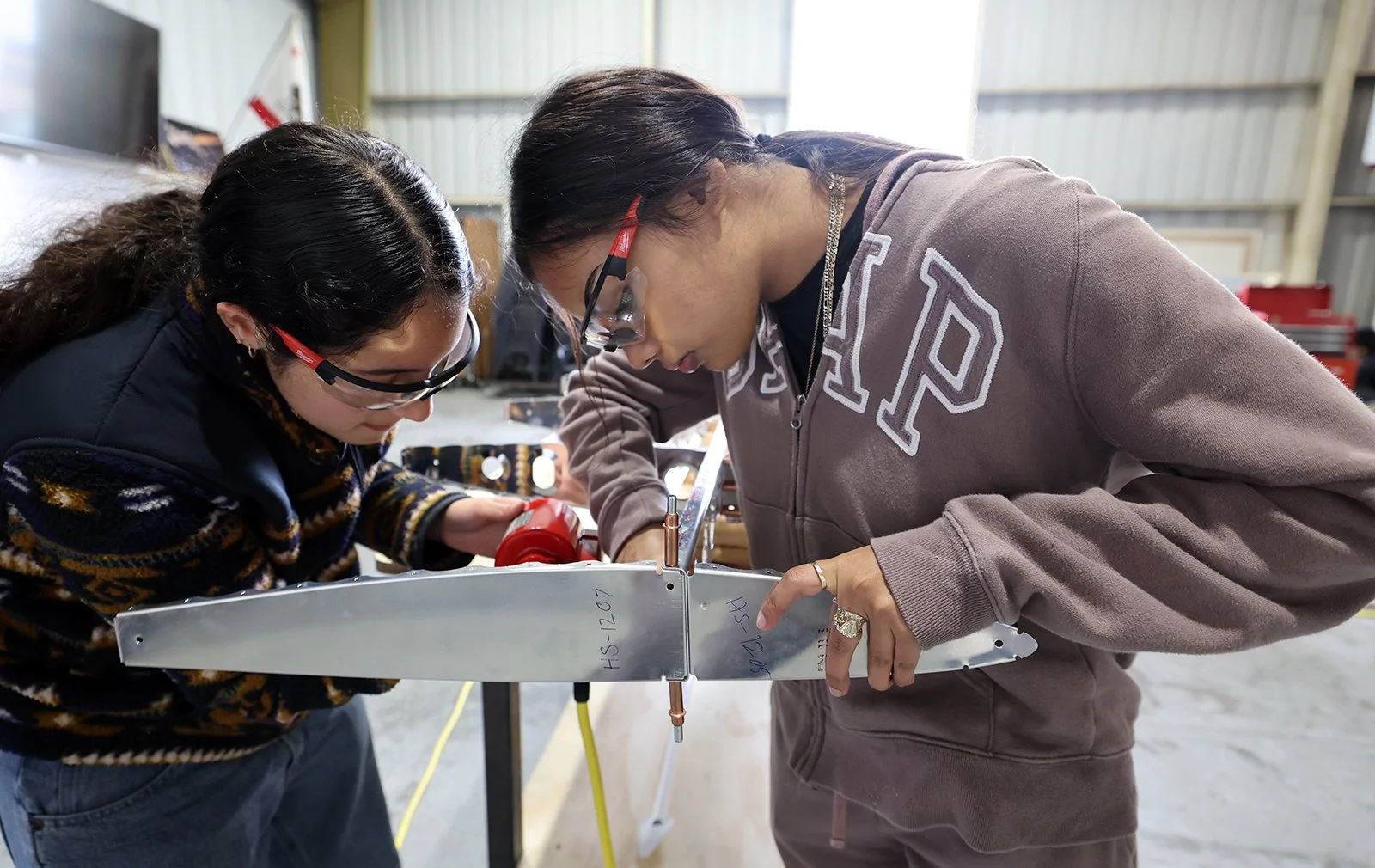
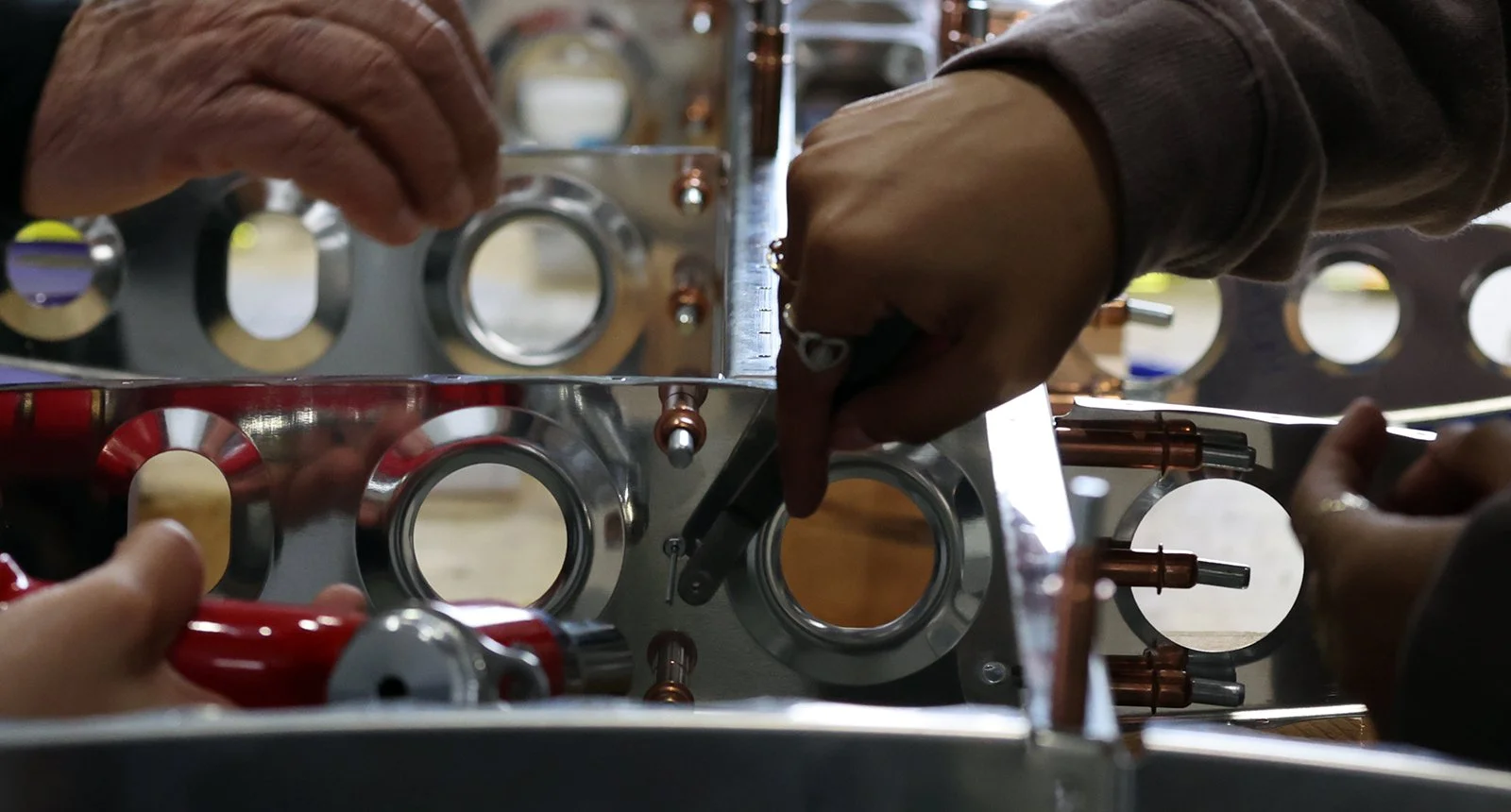
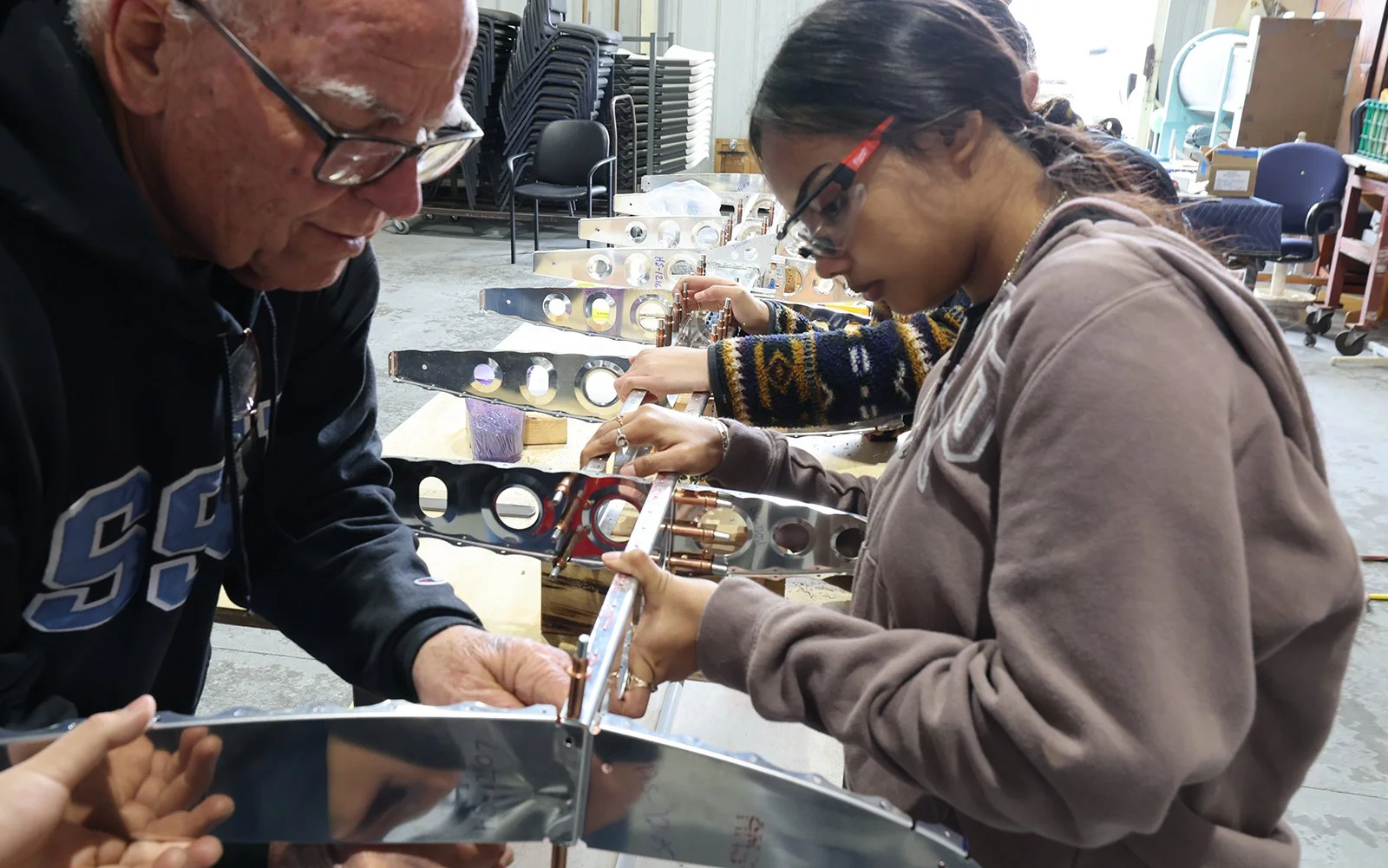
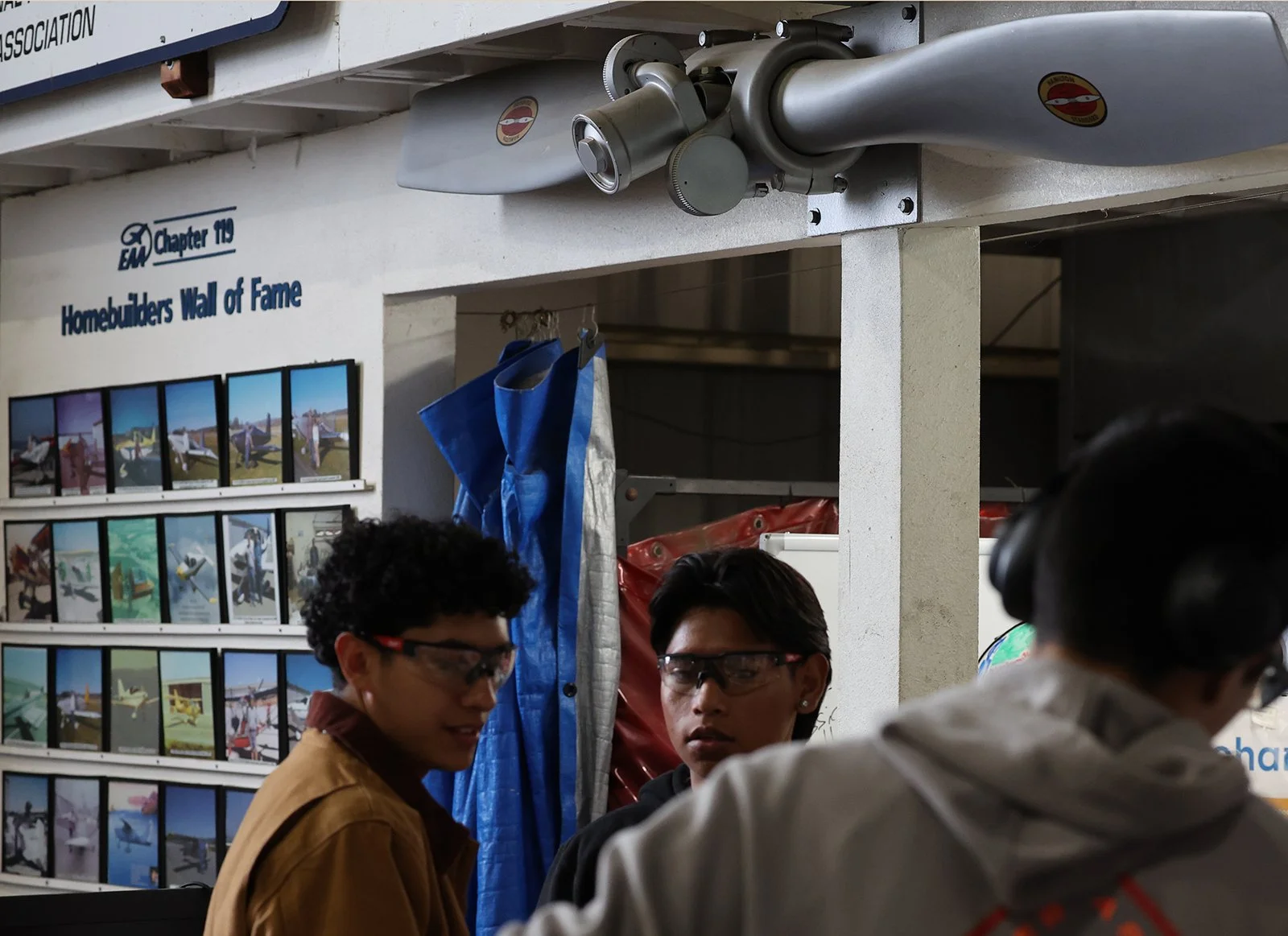
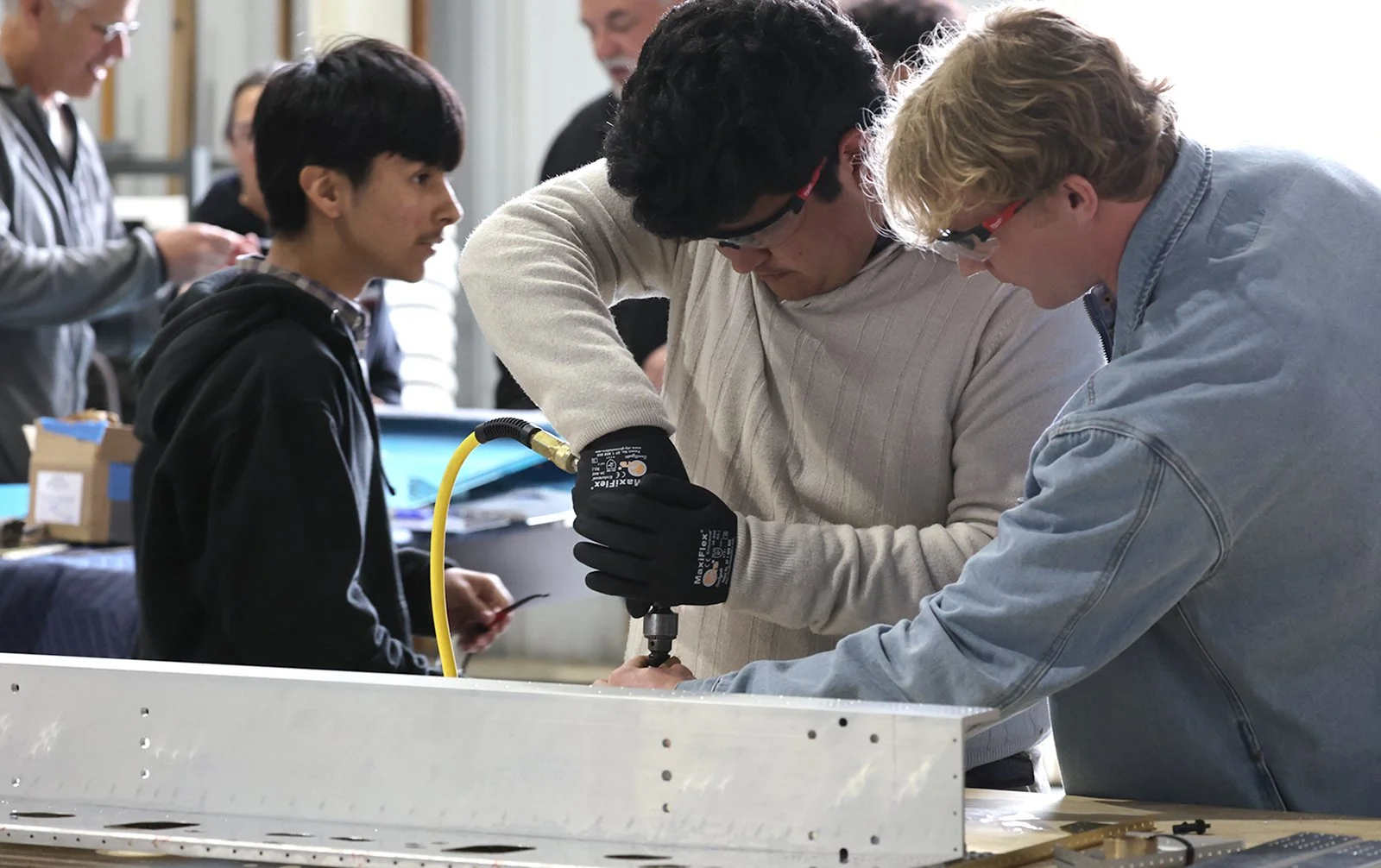
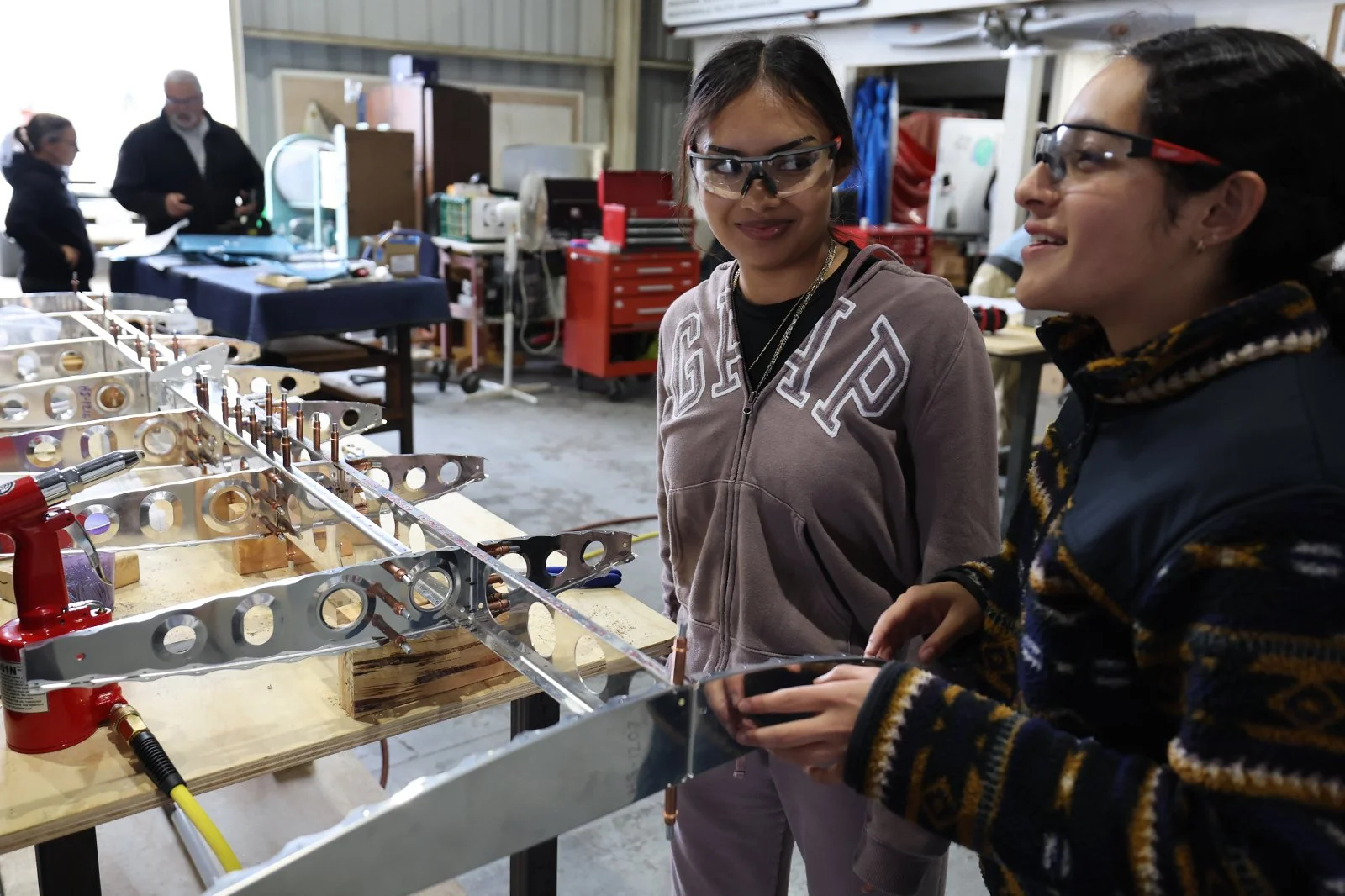
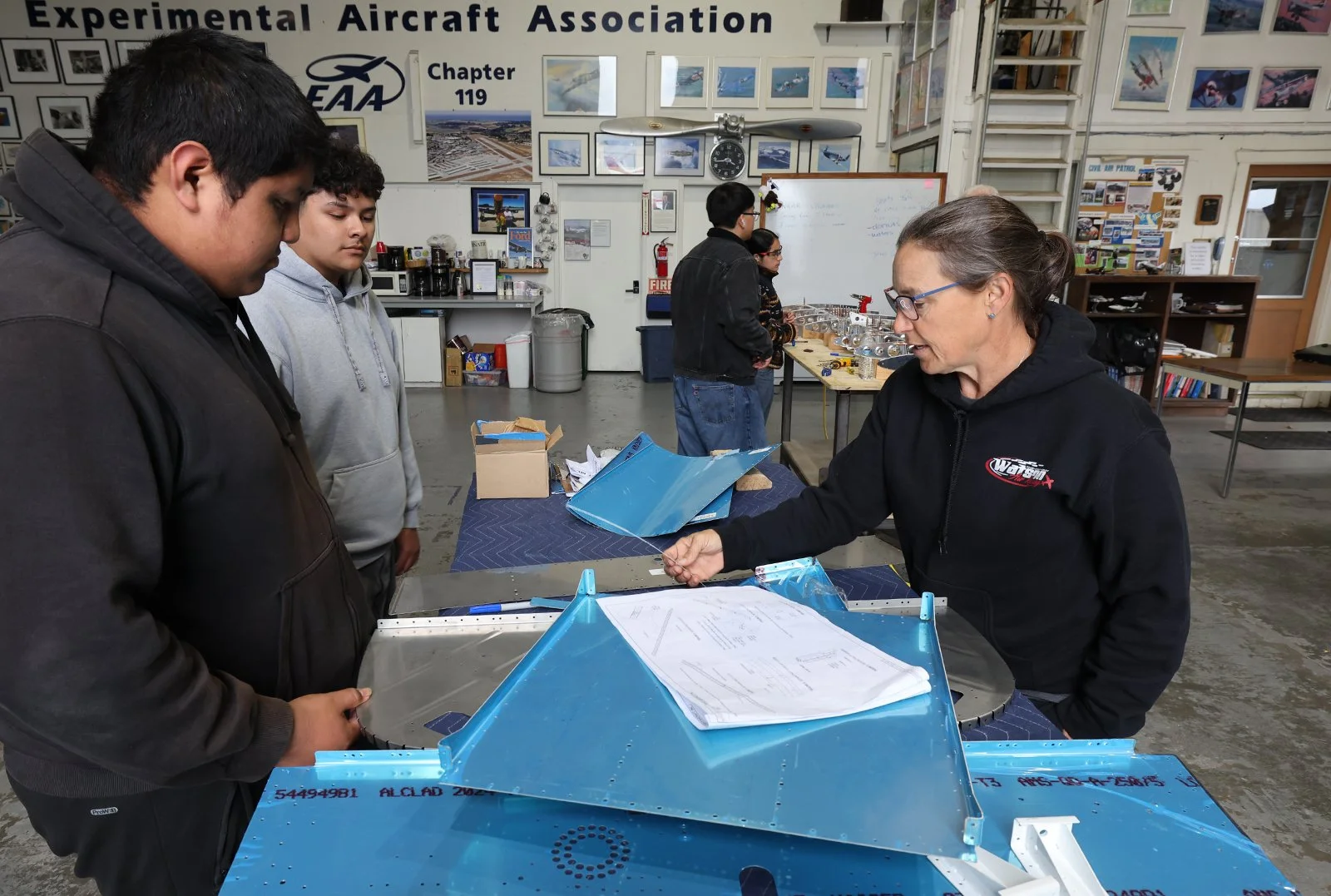
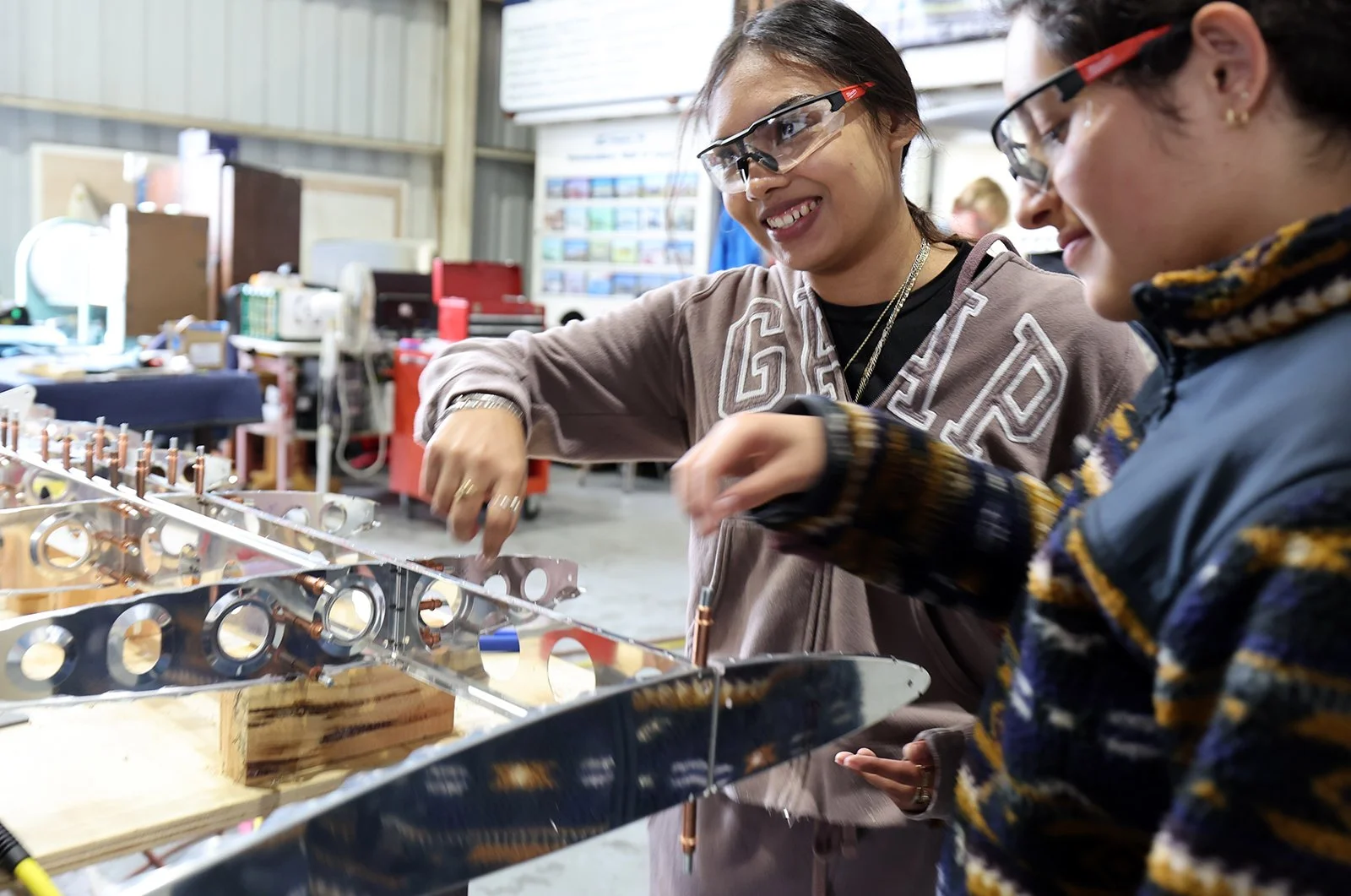
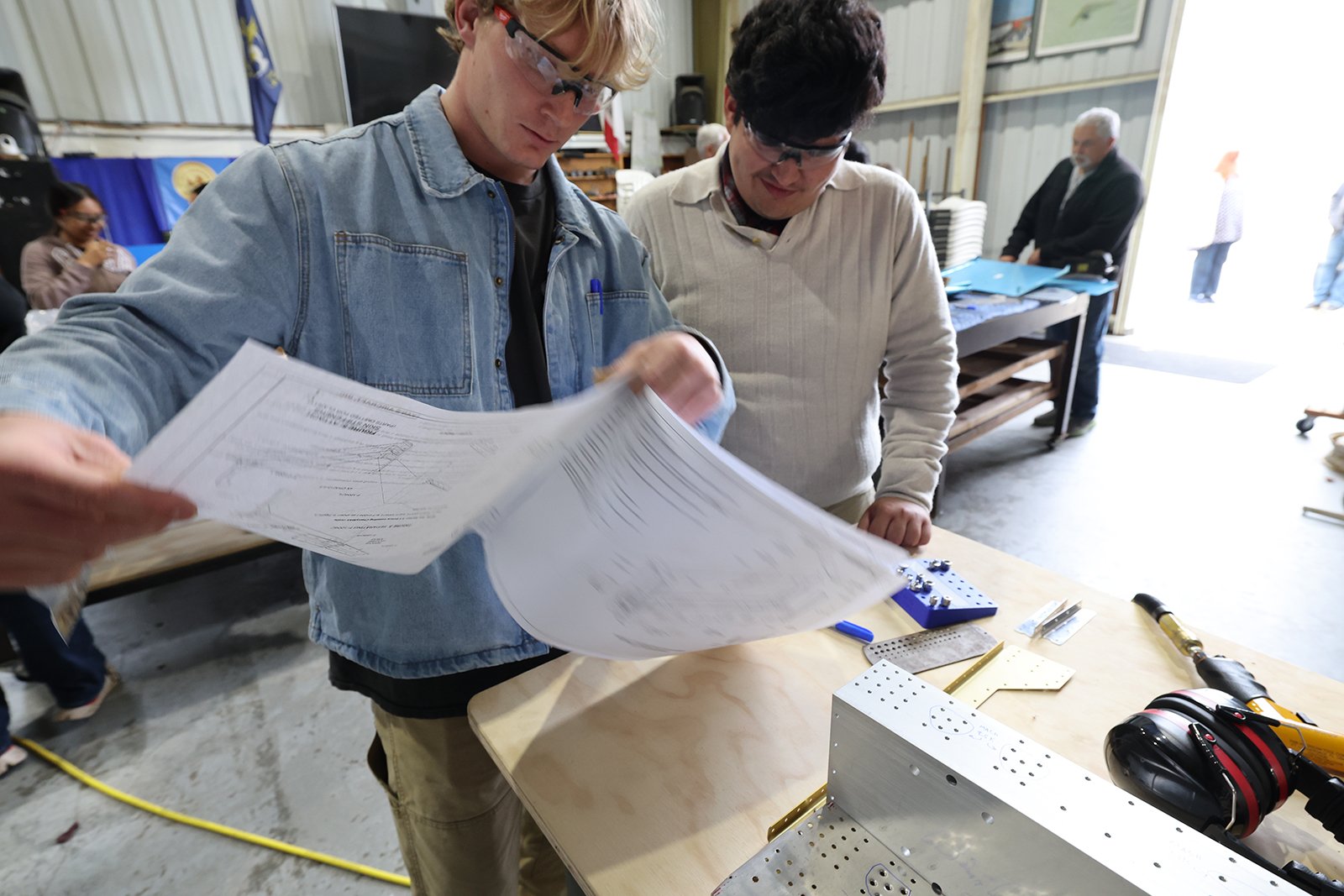
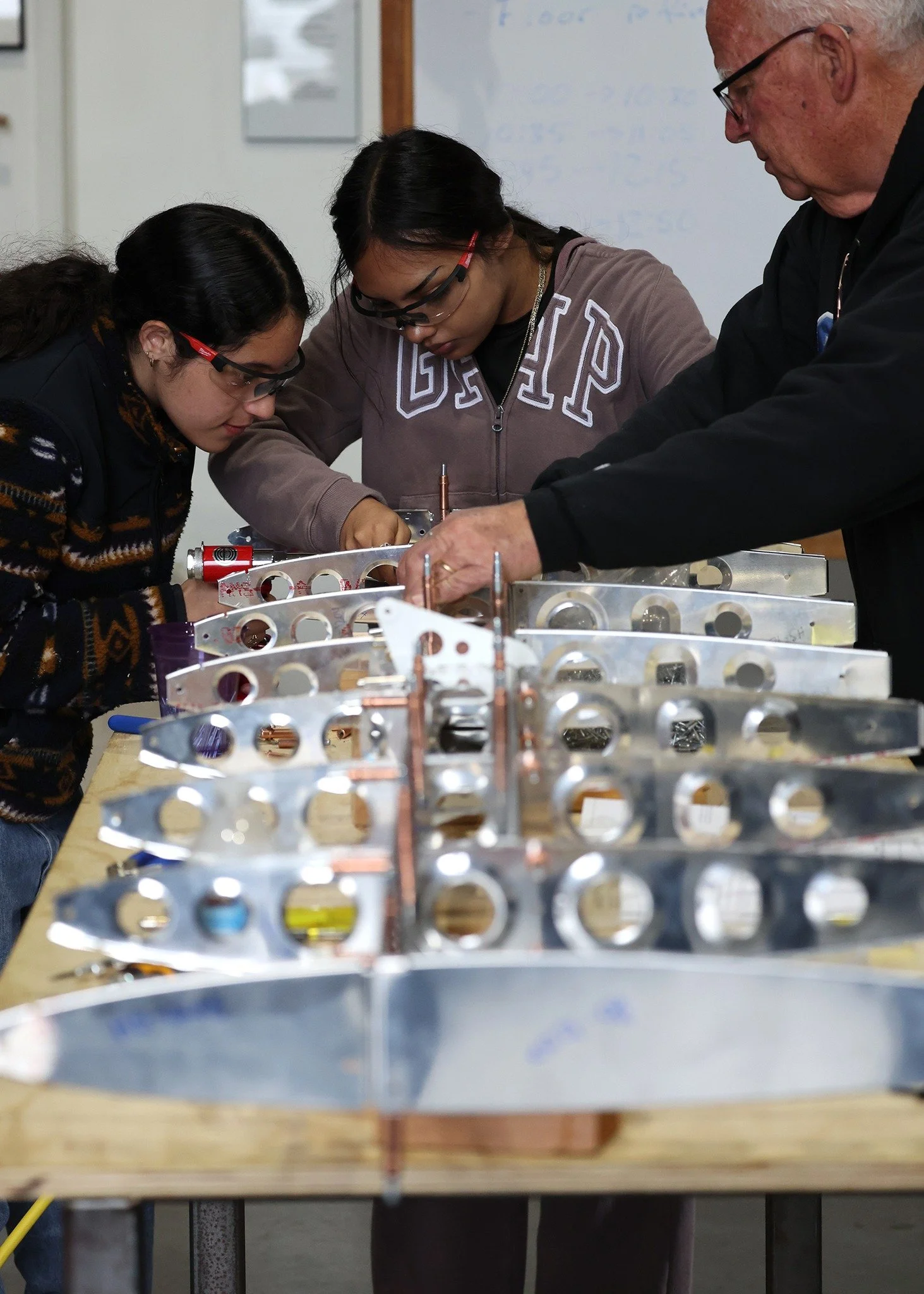
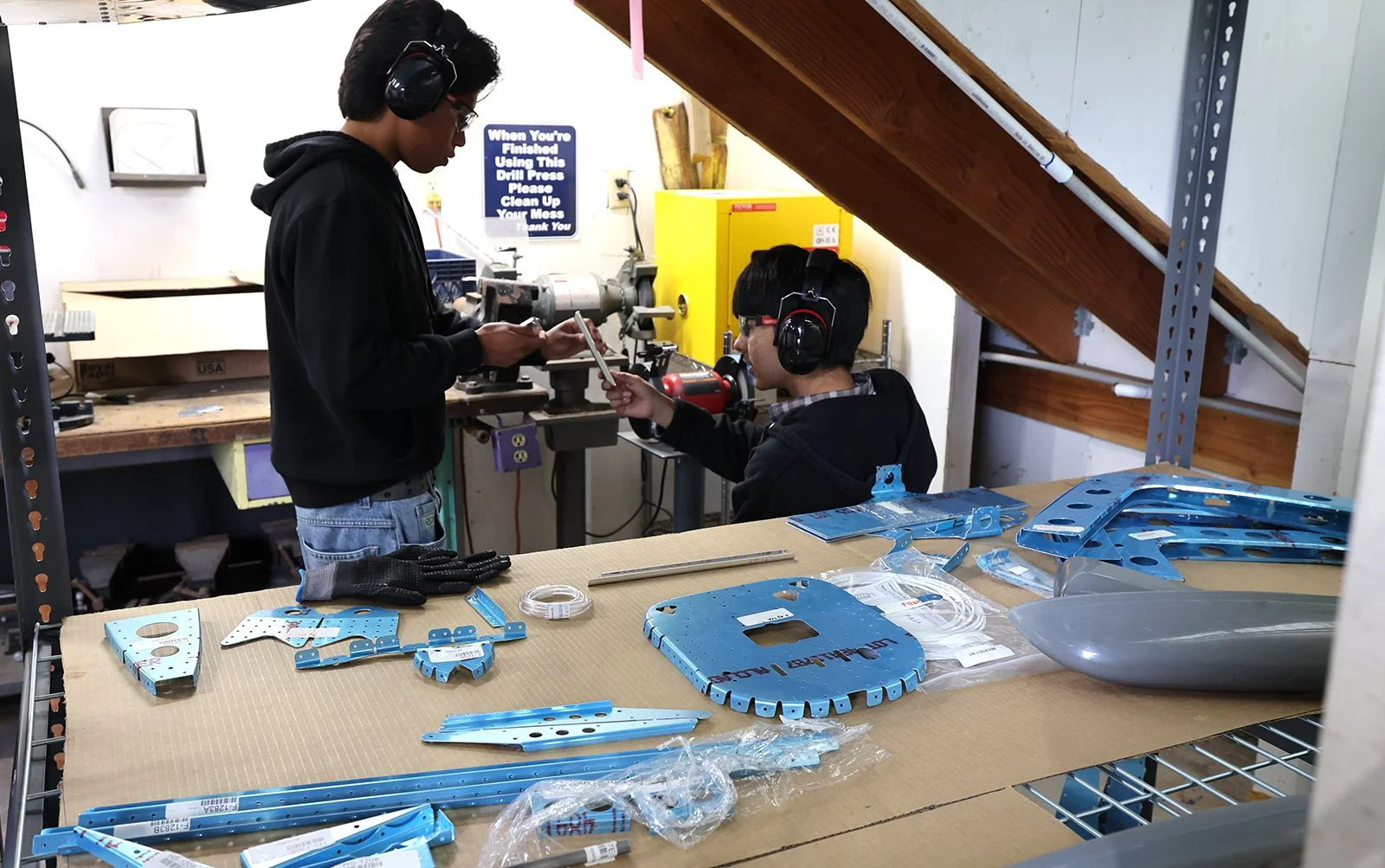
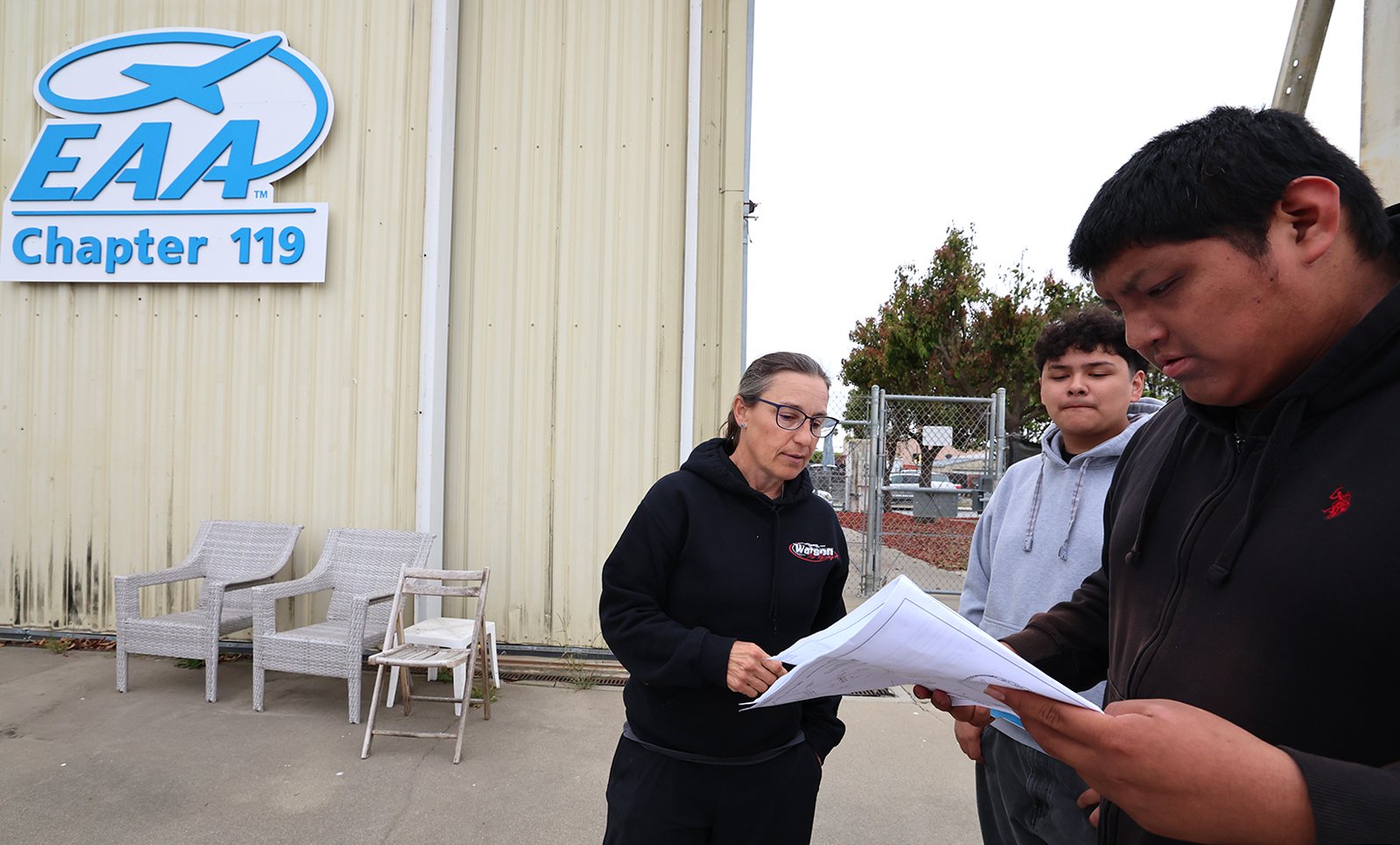
Photo credits: Shmuel Thaler, Santa Cruz Sentinel
Let's play a quick game.
I want you to think back to high school. Picture yourself in your most memorable class. Maybe it was AP Chemistry, where you memorized a table of elements you've since completely forgotten. Maybe it was English Lit, where you wrote a five-paragraph essay about The Great Gatsby that you definitely did not write the night before it was due.
Now I want you to imagine that instead of any of that, you showed up to class, got on a bus, rode to the local airport, walked into a hangar, and built an airplane.
Not a model airplane. Not a simulator. Not a "pretend you're building an airplane" worksheet. An actual, functional, single-engine, two-seat aircraft that will one day leave the ground and carry human beings through the sky.
That's what 22 students at Pajaro Valley High School in Watsonville, California are doing right now. And I cannot stop thinking about it.
Here's the thing about aviation that most people don't fully appreciate: flying is insane. Like, genuinely, historically, cosmically insane. For roughly 99.99% of human existence, if you wanted to get somewhere, you walked. Maybe you got a horse if you were fancy. The idea of a person hurtling through the air in a metal tube at 500 miles per hour would have been considered not just impossible but spiritually offensive to basically every human who ever lived before 1903.
And then two bicycle mechanics from Ohio figured it out.
Which brings us back to Watsonville — a small agricultural city on California's central coast that most people outside the region couldn't find on a map — where a UC Santa Cruz grad named Willem Nickalson is doing something genuinely remarkable. He's taking a group of high schoolers, most of whom have never held a rivet gun, and teaching them to construct a Van's RV-12 from raw materials.
Let that sink in. These kids are installing rivets. They're deburring sheet metal. They're learning OSHA certification in high school. One student, sophomore Saul Salgado, described the class as "definitely my favorite. By a mile." Which, honestly, tracks — because the competition is geometry.
The program, called Engineering Design: Flight, Aerospace, Systems & Technology (yes, the acronym is EDFAST, which sounds like you're saying "Ed Fast" and I choose to believe there's a guy named Ed Fast somewhere who is very proud), is PVUSD's newest Career Technical Education pathway. It's built on a genuinely impressive stack of partnerships: the local airport, EAA Chapter 119, Joby Aviation (yes, that Joby — the flying taxi people), and a Texas nonprofit called Tango Flight, which provides curriculum to 47 school districts nationwide and is the only organization of its kind in the country.
The whole thing cost the district a one-time fee of about $115,000, plus an annual program fee of roughly $17,000 — most of which was covered by a grant secured through DART (Monterey Bay Drone, Automation & Robotics Technology) from the James Irvine Foundation. So we're talking about a program that is changing the trajectory of kids' lives for the cost of, roughly, a mid-trim Honda Pilot.
What I love most about this story isn't the airplane. It's what the airplane represents.
Willem Nicklason put it well: his favorite part is watching students "build confidence using tools they've never been exposed to before" in an industry that is "typically not very accessible to them." Pajaro Valley is a majority-Latino community. Most of these kids aren't growing up with private pilot fathers or family vacations to airshows. The pipeline into aerospace doesn't naturally run through Watsonville.
But it does now.
Senior Daniel Hernandez said it himself: "It's not something casual to say that I'm helping build an airplane." No, Daniel. It is absolutely not.
The sky, as the principal said — no pun intended — is the limit.
Santa Cruz Works covers the people, ideas, and organizations building the future of the Monterey Bay region.
Related Articles
WTF Moment: The Sky Is the Limit — Unless Lawyers Get There First — When Archer Aviation filed an ITC complaint against Joby Aviation, it threatened to ground America's most promising transportation revolution — and the students building planes in Watsonville have a stake in that fight.
Think Big Wrigley: High Schoolers Explore Innovation at Santa Cruz's Old Wrigley Building — Another hands-on career exploration event putting local high schoolers face-to-face with the region's innovators, builders, and entrepreneurs.
X Academy Robotics Teams Win First and Third at Regionals; Secures Fourth Straight Trip to World Championship — Santa Cruz County students keep stacking wins in competitive STEAM programs — proof that hands-on technical education in this region is punching well above its weight.
Joby, Heron Power Lead Launchpad 2026 Hiring Lineup — Joby Aviation is hiring — and the students currently riveting together a plane in Watsonville might be exactly who they're looking for.
The Guy Who Stayed: Tony Nuñez — A portrait of a Watsonville native who chose community over career ladder — the kind of South County rootedness that makes programs like PVUSD's aviation pathway possible.