

Omni's Trevor Heath to CEOs: Bet Big on AI, But Don't Stop Hiring
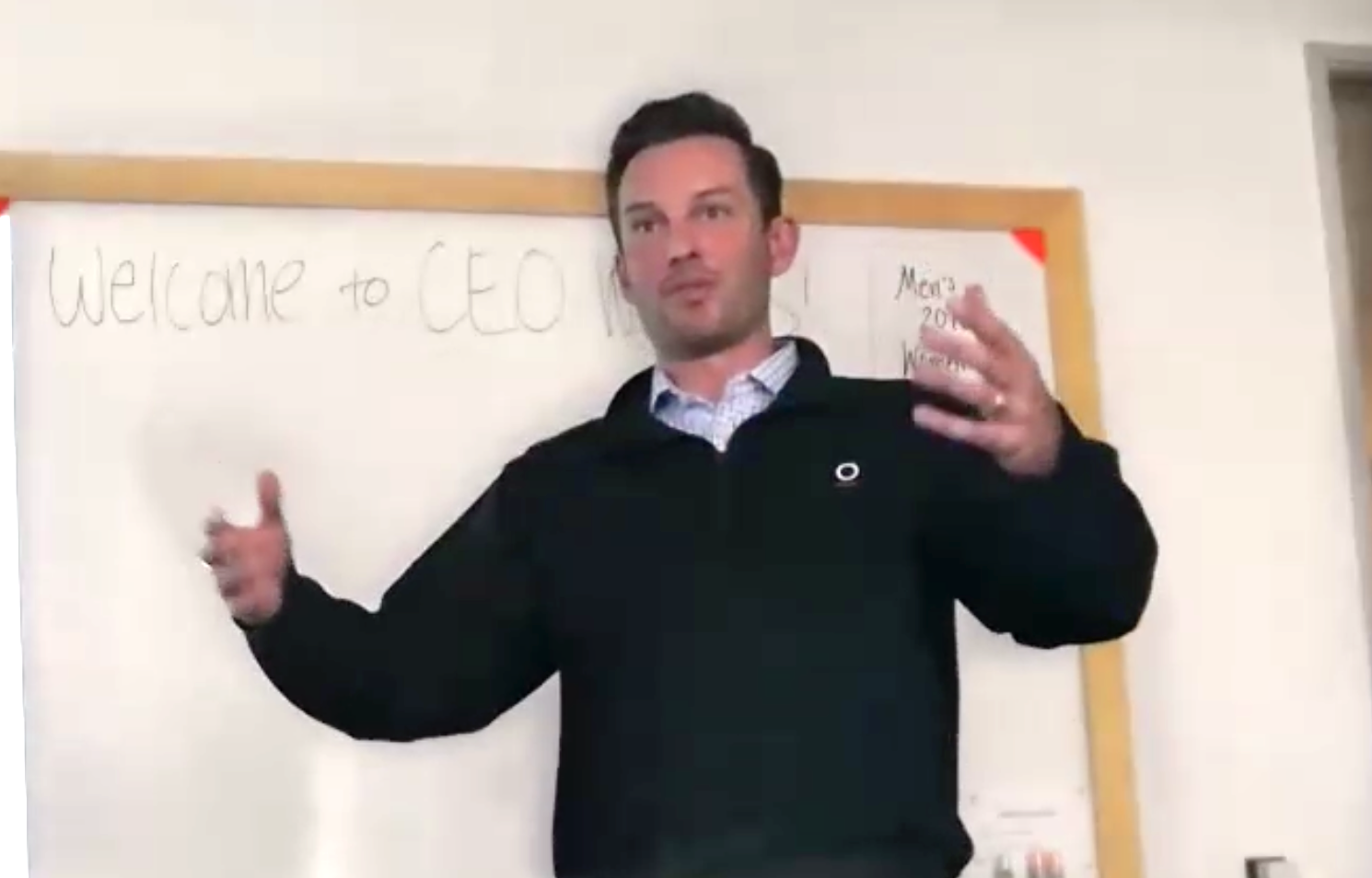
Omni's Trevor Heath told CEO Works luncheon attendees how AI powered the ex-Looker startup's 10x scale-up, and why governance, semantic layers, and human judgment still matter.
Santa Cruz has seen this movie before. A band of Looker veterans leaves Google, regroups, and builds the next big thing. This time it's Omni, and at our latest CEO Works Luncheon, Trevor Heath, Omni's Senior Director of Sales, pulled back the curtain on what betting the company on AI actually looks like.
The numbers set the stage: just under 300 employees, more than 850 customers, and $217 million raised. Heath positioned Omni between two extremes in data analytics, offering more freedom than locked-down platforms without the chaos of ungoverned tools. The goal is to let business users answer their own questions without filing a ticket.
Listening to Customers
Omni didn't start out as an AI-first company in 2022. Customers asked for something that felt more like ChatGPT, so Omni listened. To meet this need, users can ask broad questions, and Omni’s AI breaks them down to run multiple queries behind the scenes before delivering a business answer. Now, AI is integrated across the platform to help users build with it too. Heath pointed to one software customer whose teams quickly adopted the AI interface as proof the approach works.
Under the hood, Omni offers a variety of models, including those from Anthropic and OpenAI. Every answer is generated through the semantic layer (compared to text-to-SQL alternatives) against the customer's data warehouse, which keeps it governed and curbs hallucinations. Heath reported benchmarking runs showing 95% consistency, compared to roughly 70% from other approaches.
The Semantic Layer Is the Secret Sauce
If the LLM is the brain, the semantic layer is the shared vocabulary. Heath stressed that organizations must define how they collectively talk about data. Does "revenue" mean bookings or recognized? Without that agreement, and ongoing dialogue between technical and business teams, even the smartest model gives inconsistent answers.
Eating Their Own Cooking
Heath described how AI has reshaped his own workday. Call prep that once meant digging through multiple systems now arrives consolidated, complete with sentiment analysis of past conversations. Territory planning, pricing models, and even office space analysis now take minutes, leaving more time for strategic conversations with leadership. Omni's product marketing team analyzes call transcripts and usage data before customer case study interviews. Engineering ships daily, with AI handling some tasks engineers once did.
Build vs. Buy, Revisited
Reporting tools are commoditized, Heath argued, but embedded AI is where the value now lives. He described a large enterprise software customer that started with Omni for reporting and expanded into embedded AI features inside its own product. Most implementations take about three months: connecting the warehouse, migrating dashboards, and configuring for each department.
The Cautionary Notes
Heath closed with practical advice for leaders making their own AI bets:
Pre-aggregate data to cut token usage and costs.
Test multiple model providers and tune settings for performance.
Keep humans in the loop. AI augments judgment; it doesn't replace it.
Don't skip critical hires because you assume AI will cover the gap.
The takeaway for Santa Cruz CEOs: AI can deliver a 10x leap, but you need to invest in the data foundation and shared context, and help teach people what questions to ask.
Related Articles
Betting Big on AI: Lessons from Omni's 10x Scale-Up — Our preview of the luncheon, tracing Omni's journey from ex-Looker reunion to AI-powered data company.
Looker, Google, and Now…Omni: A Quest for the Next Big Startup — Omni's Diego Jara Simkin on how Looker alumni regrouped to build Santa Cruz's next big startup.
A.I. Works Helps Businesses Harness the Power of Artificial Intelligence — The 2023 CEO Works luncheon where AI first took over the agenda.