

The Man Who Built a Better Wheel: Inside Future Motion's Company Spotlight Breakfast
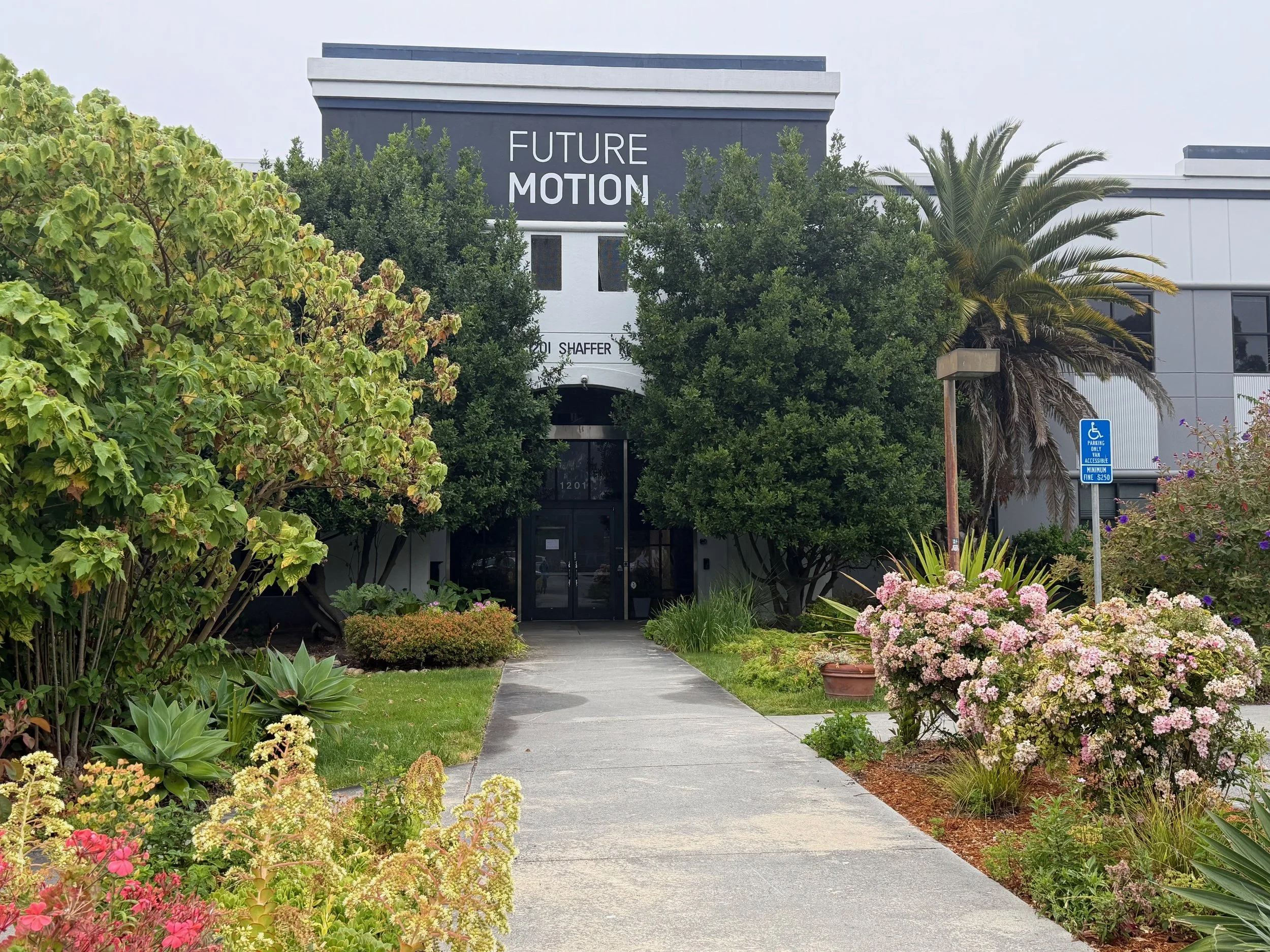
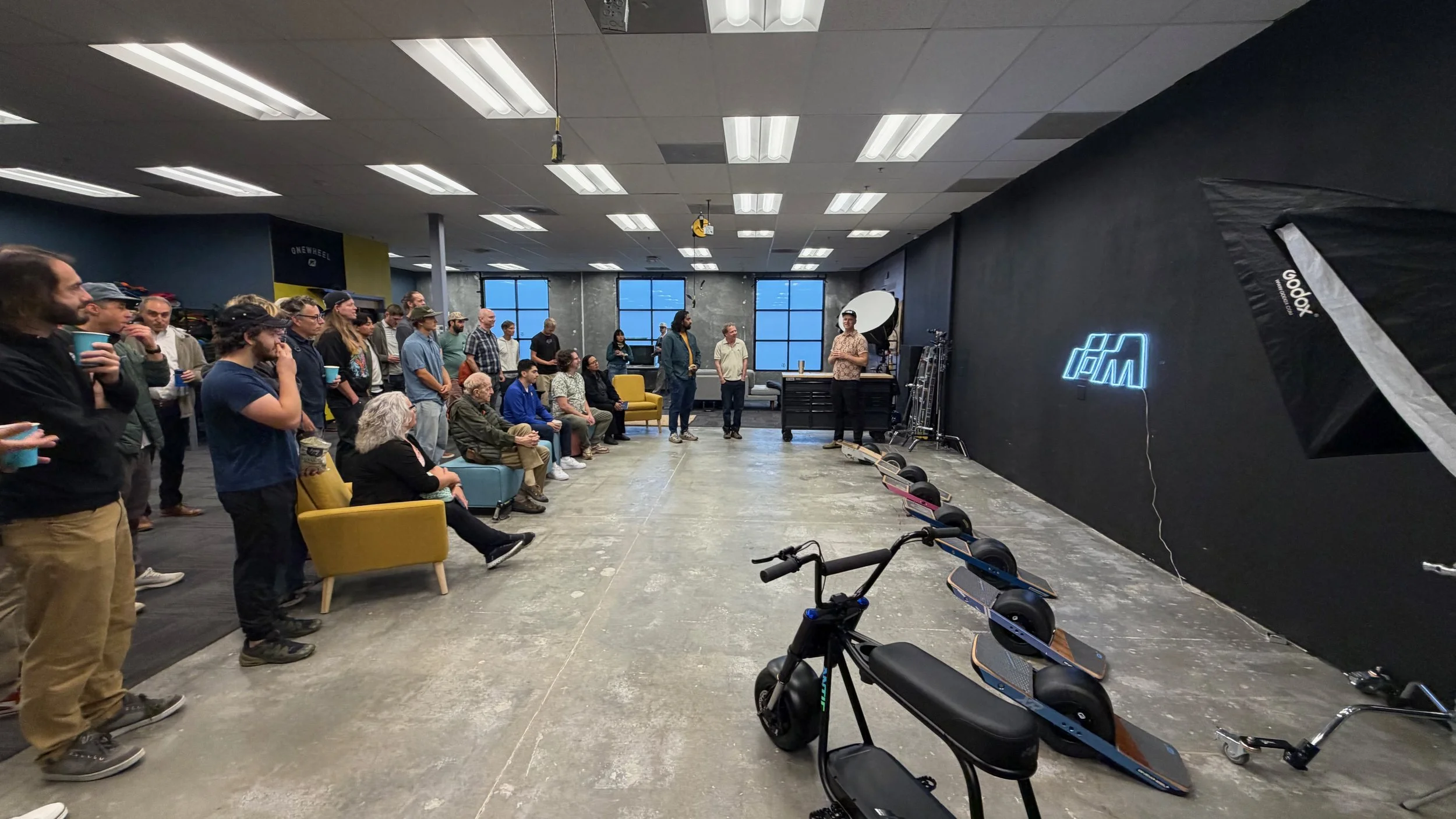
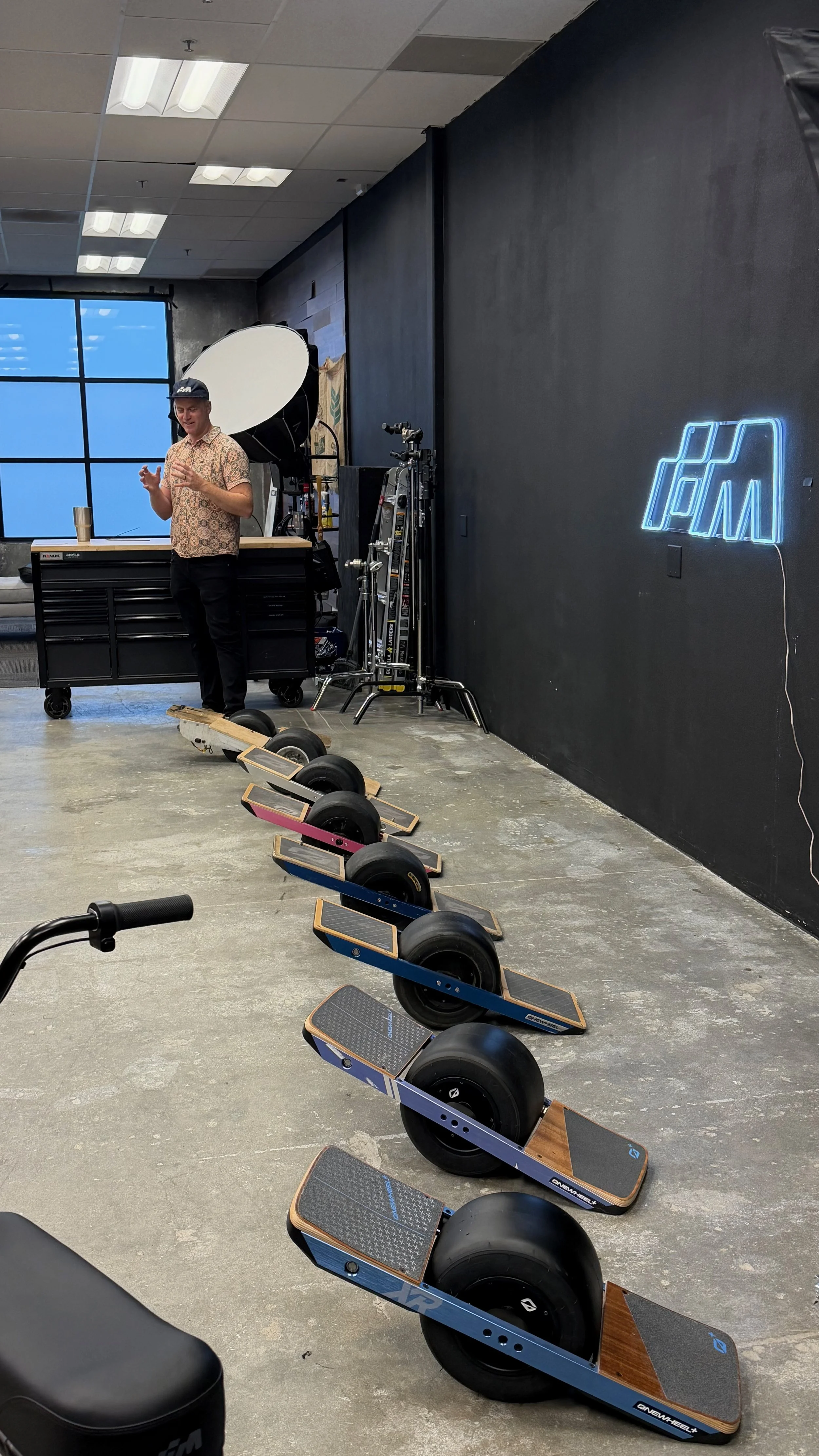
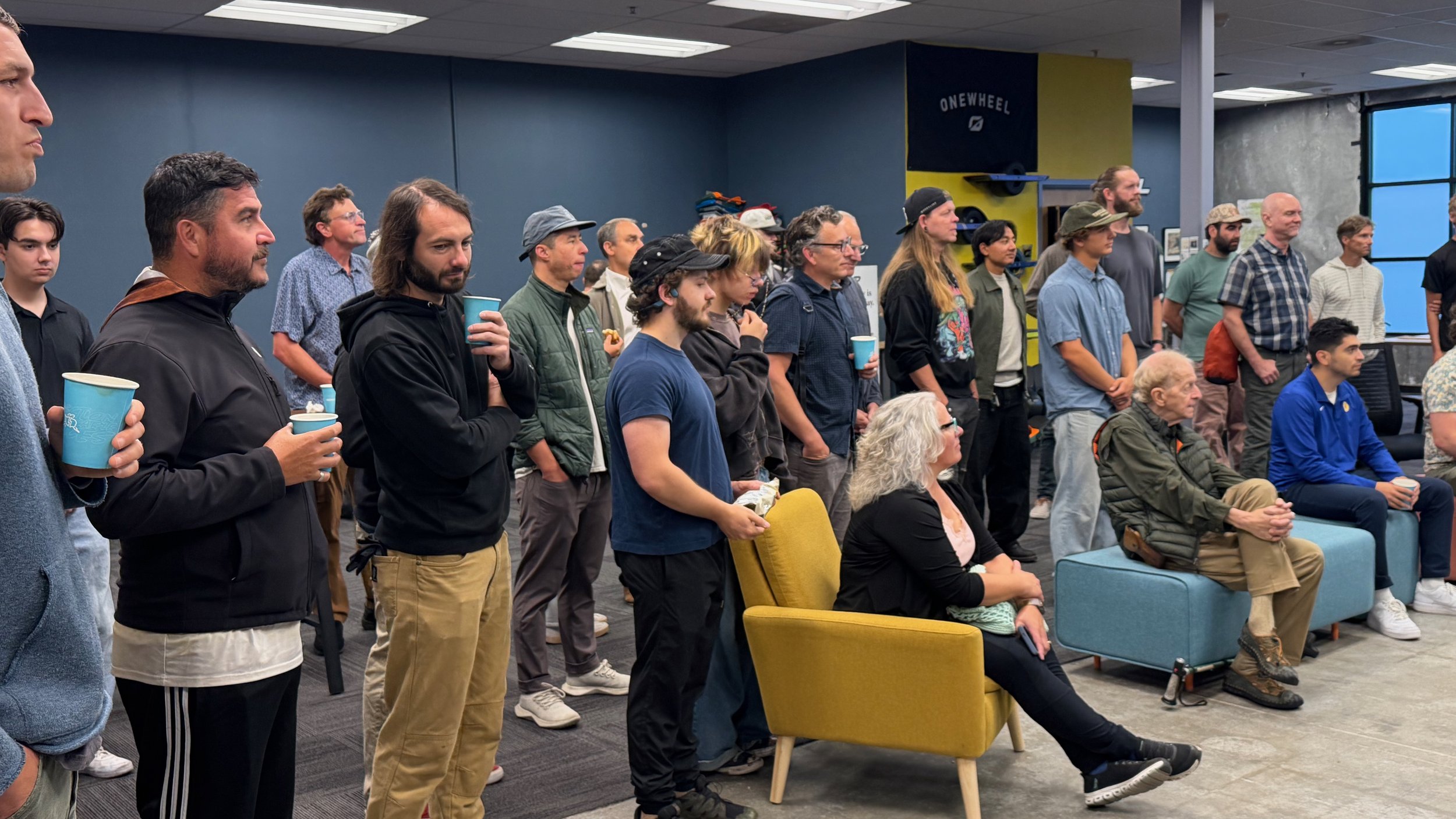
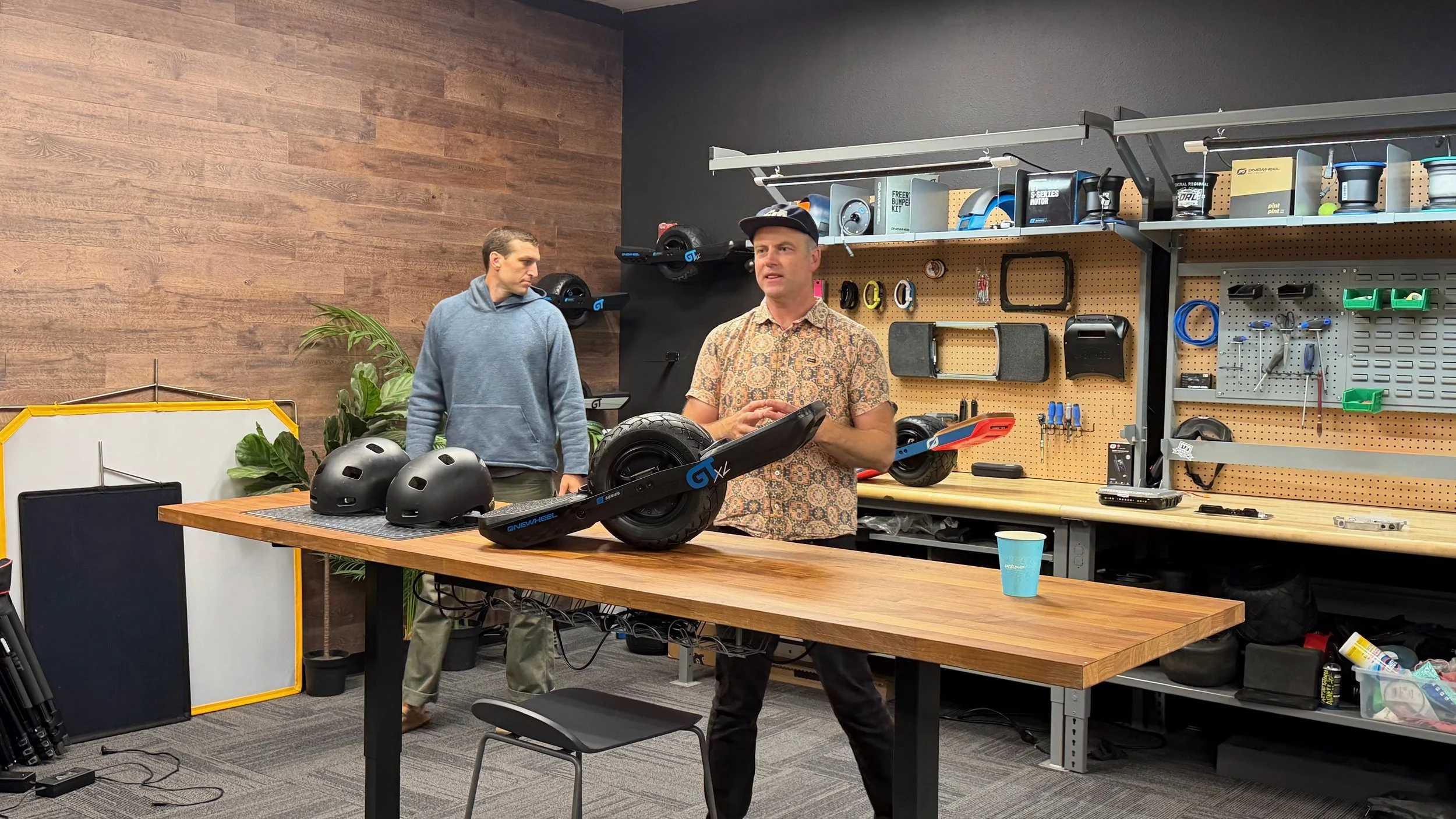
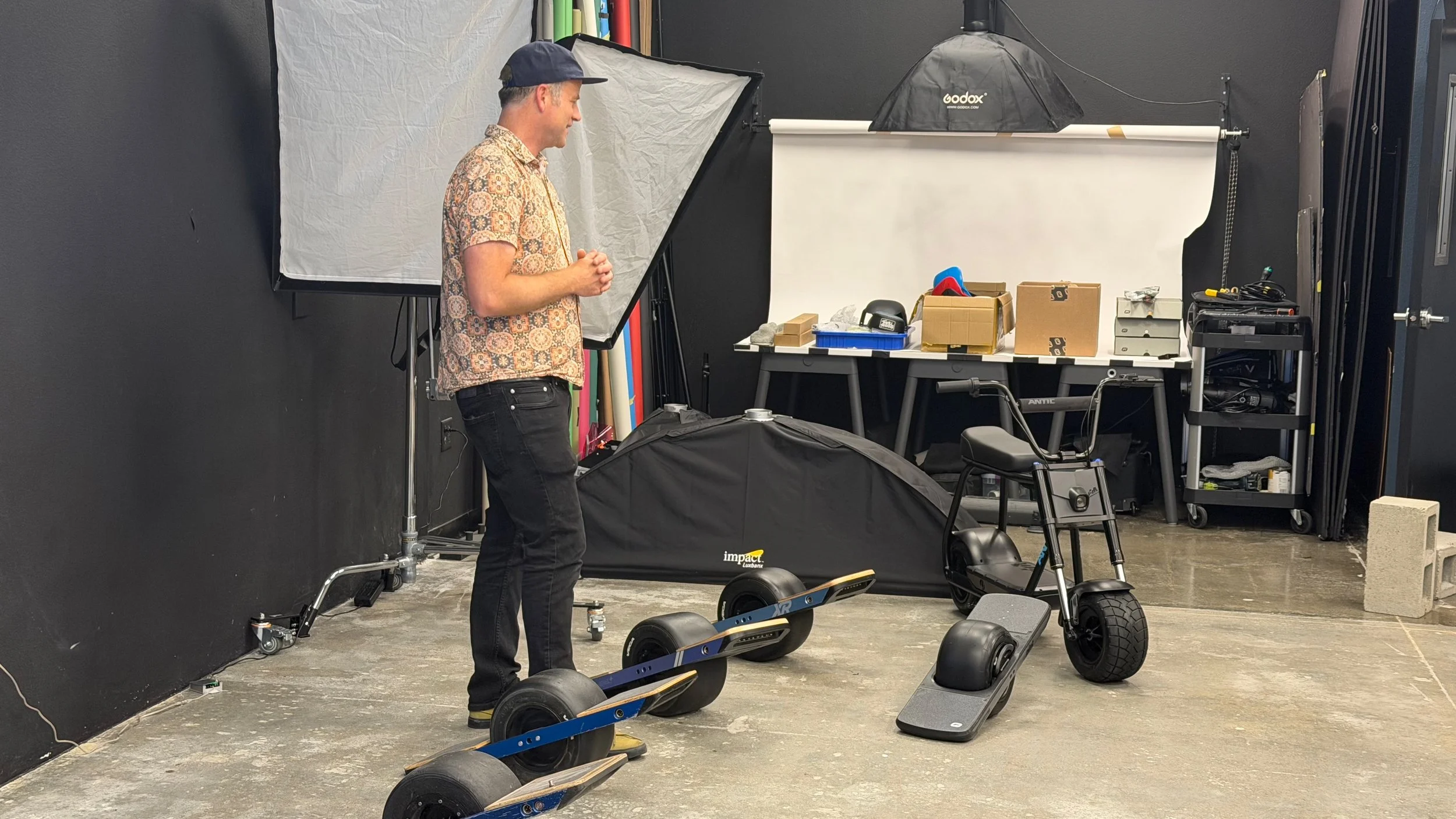
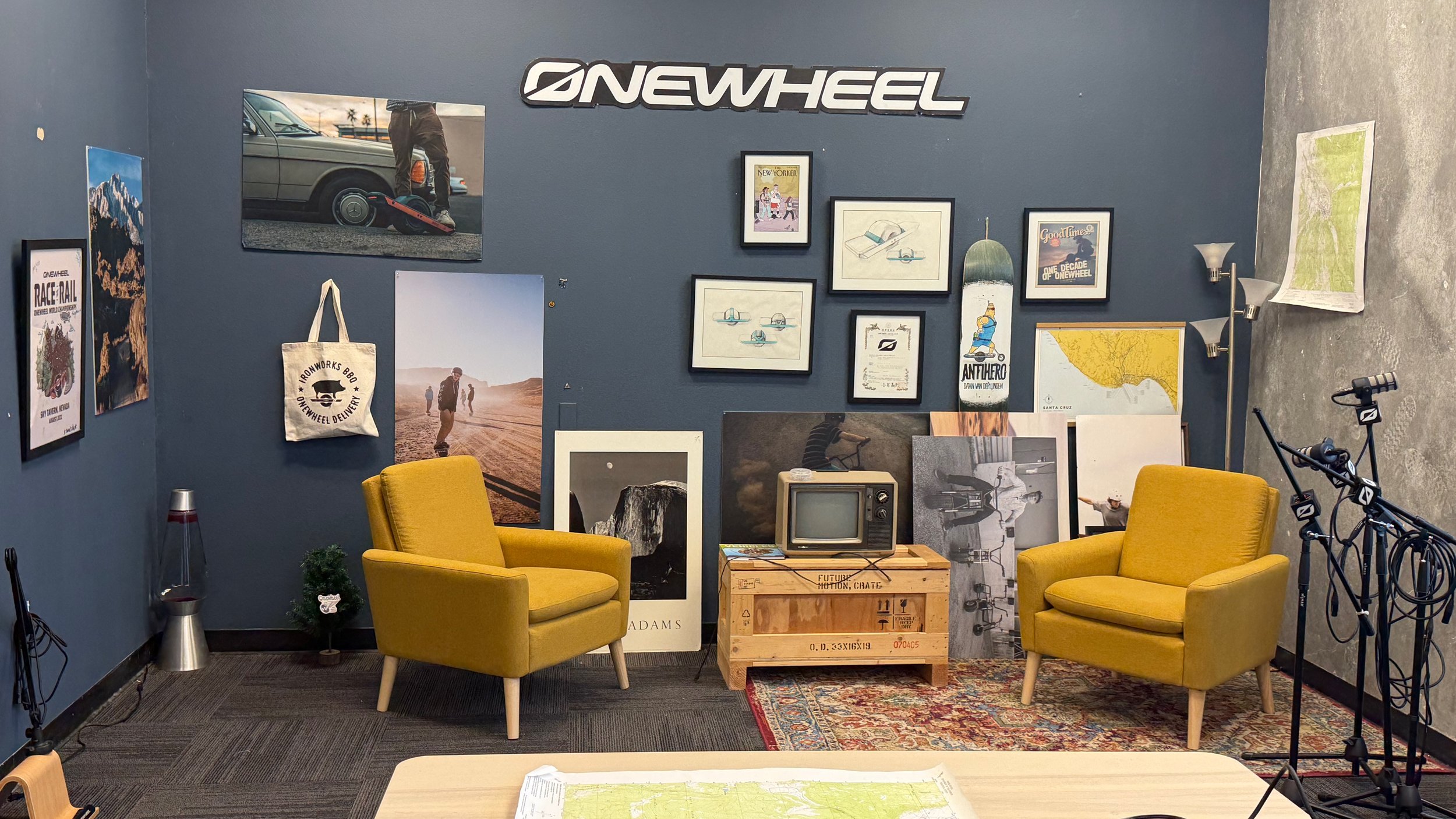
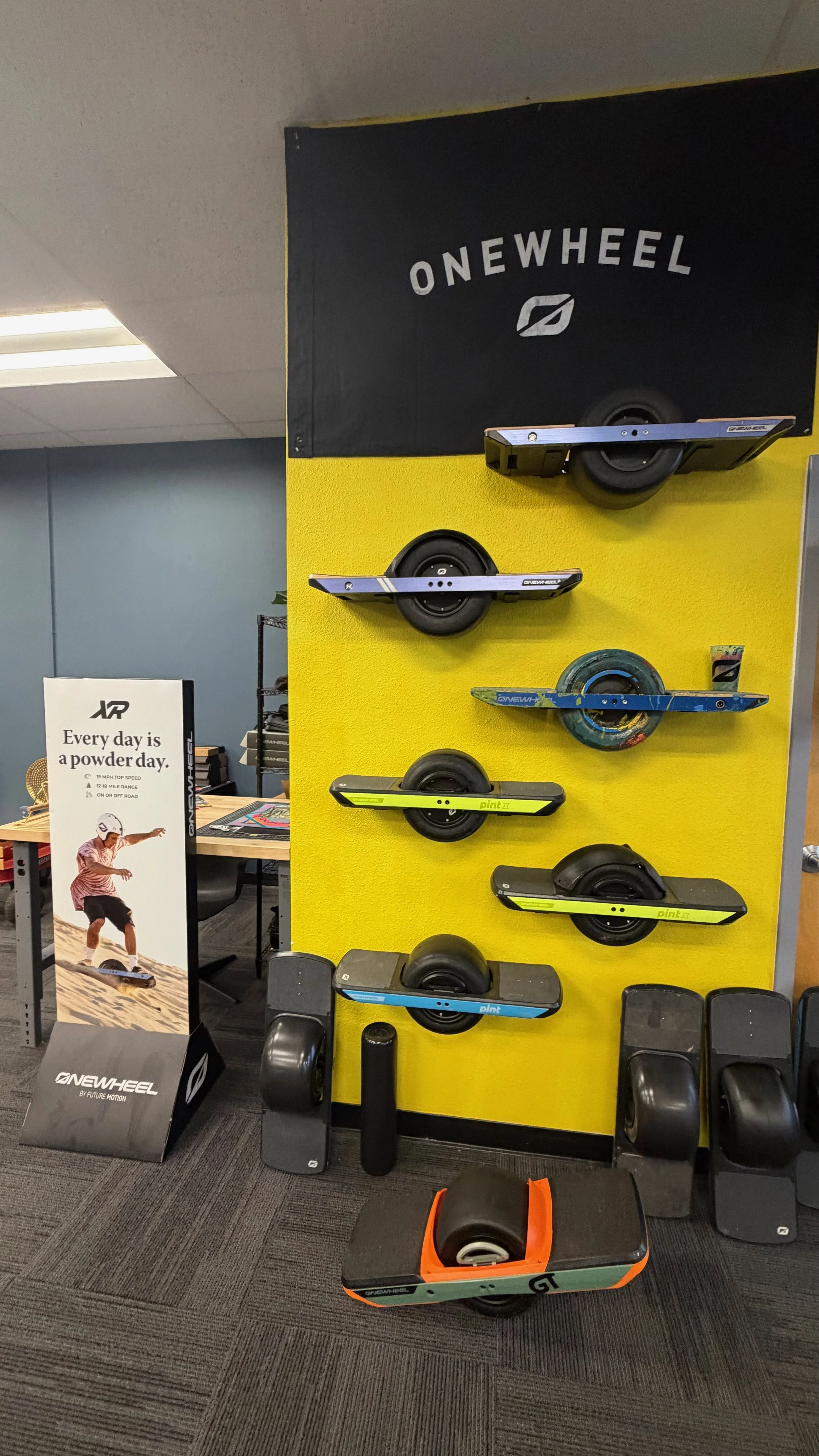
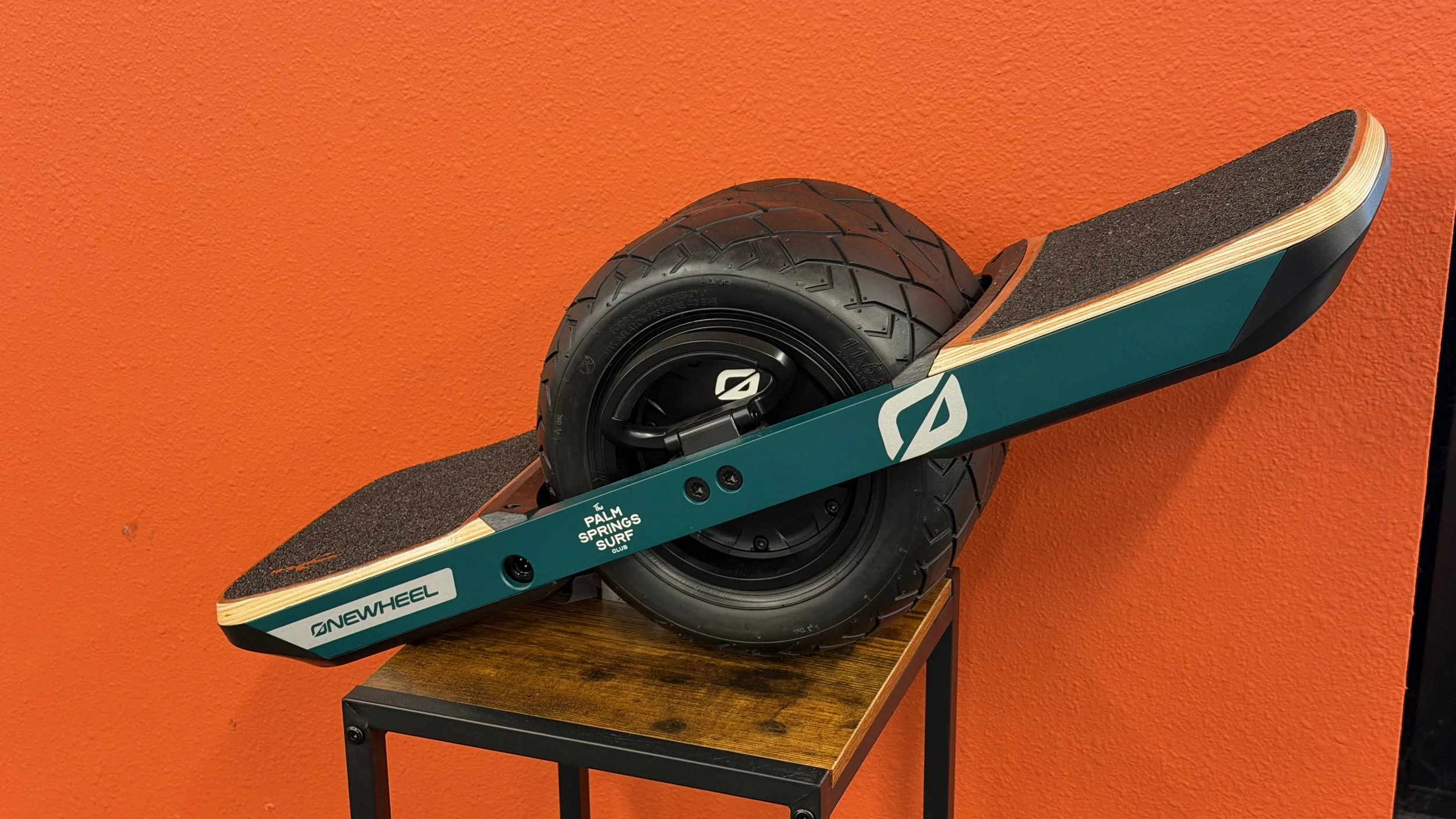
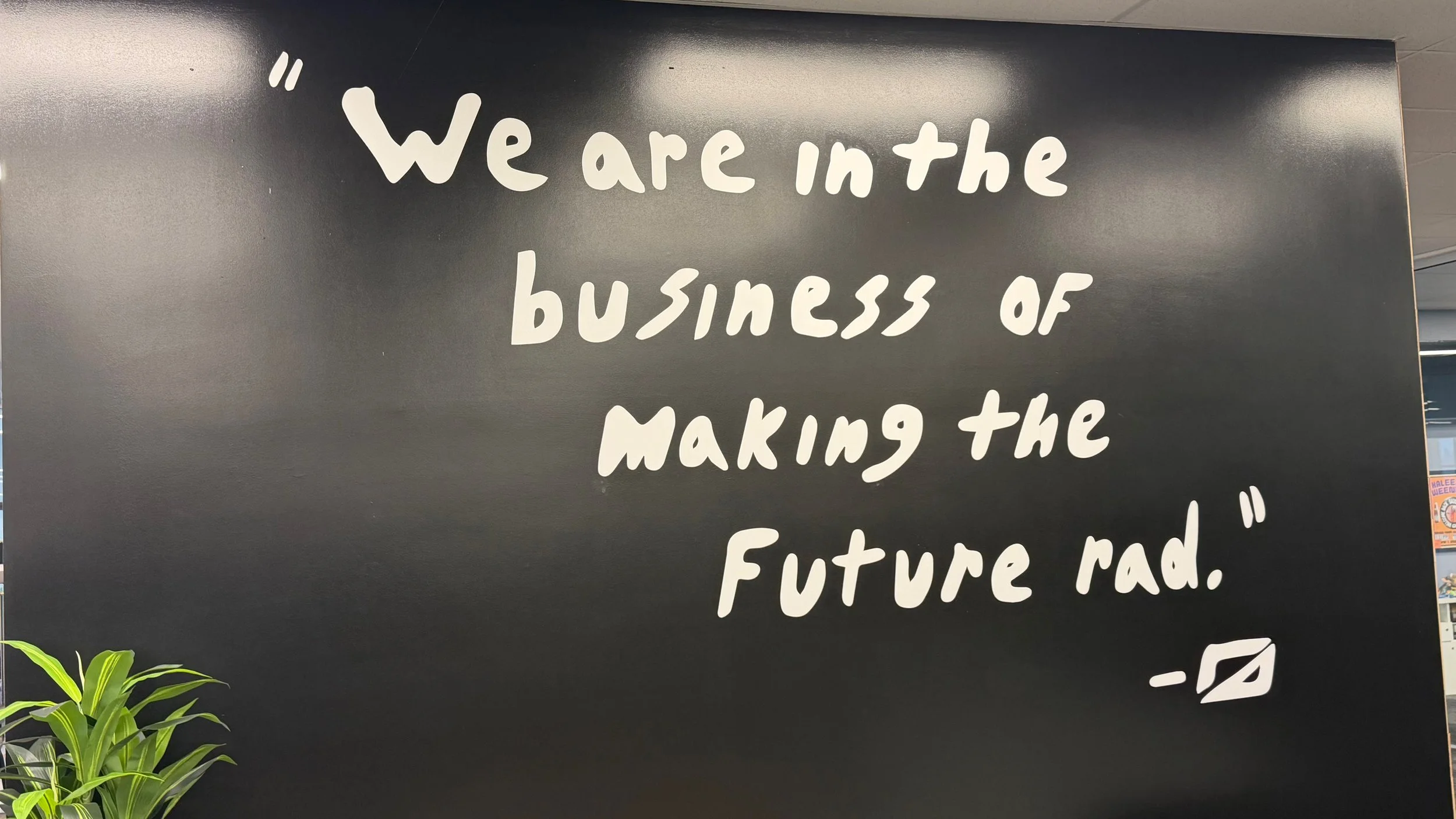
Future Motion founder Kyle Doerksen opened his Santa Cruz factory to a sold-out crowd of 40, tracing the Onewheel's path from garage prototype to a category he invented — and still dominates.
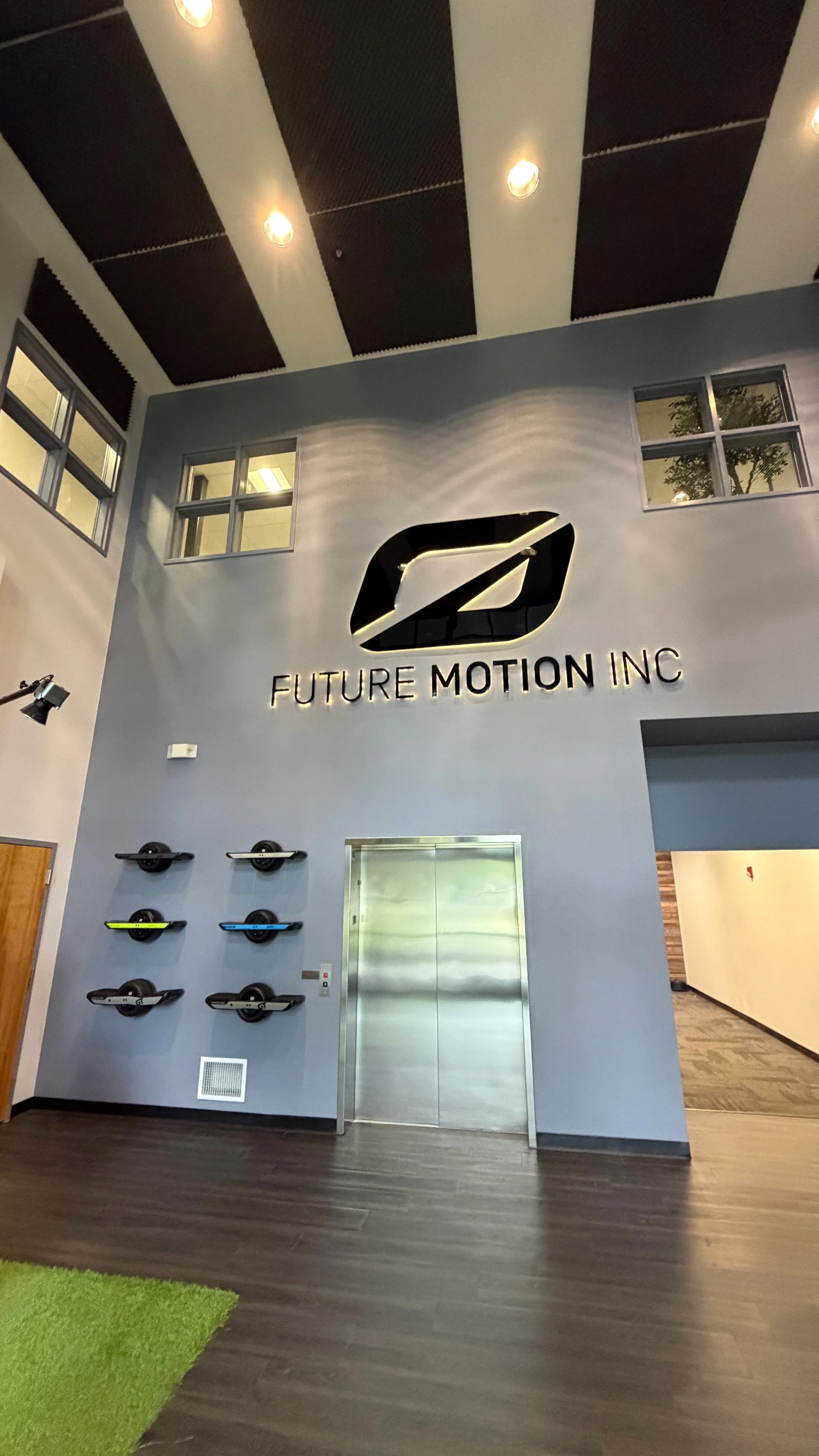
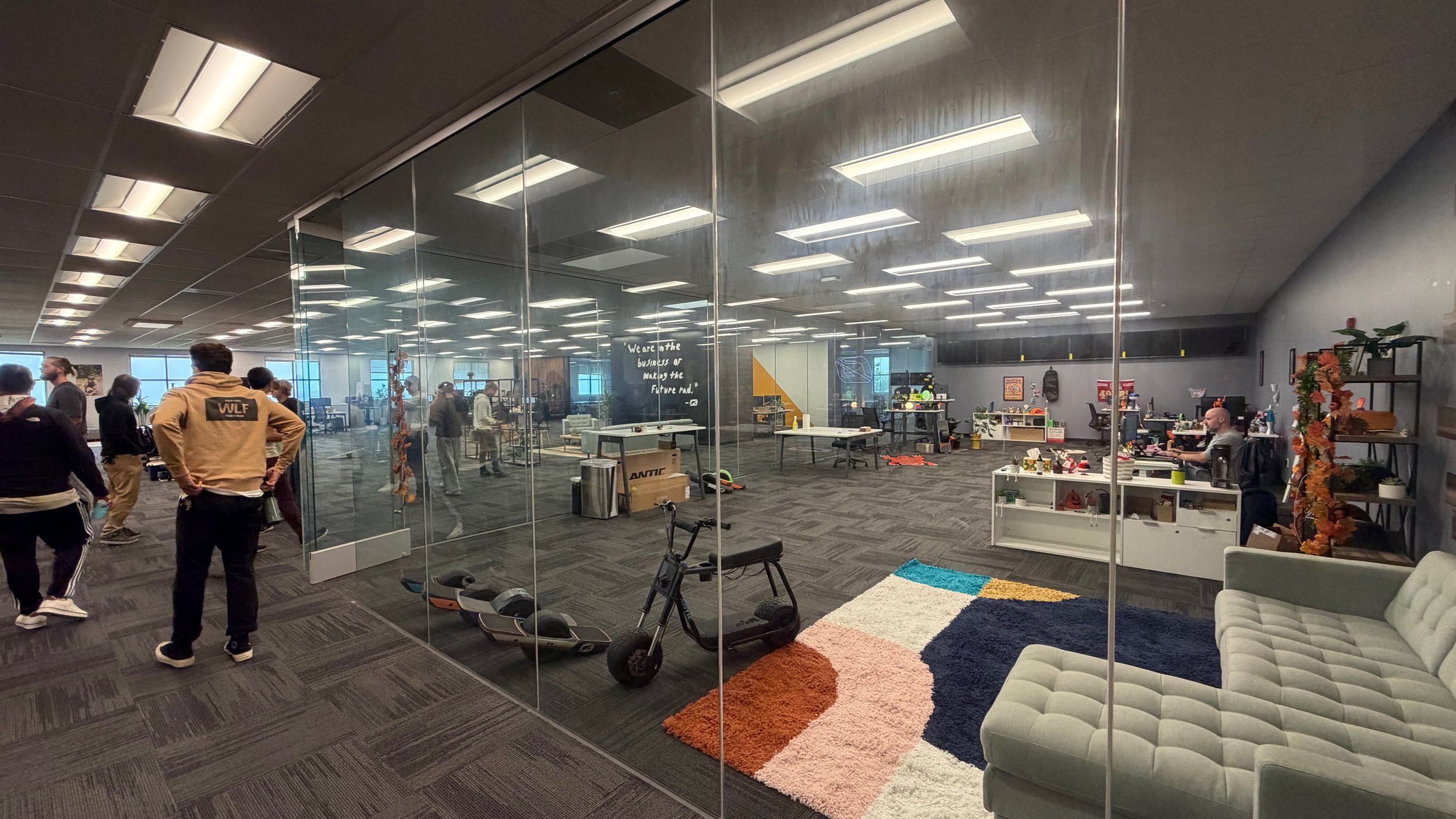
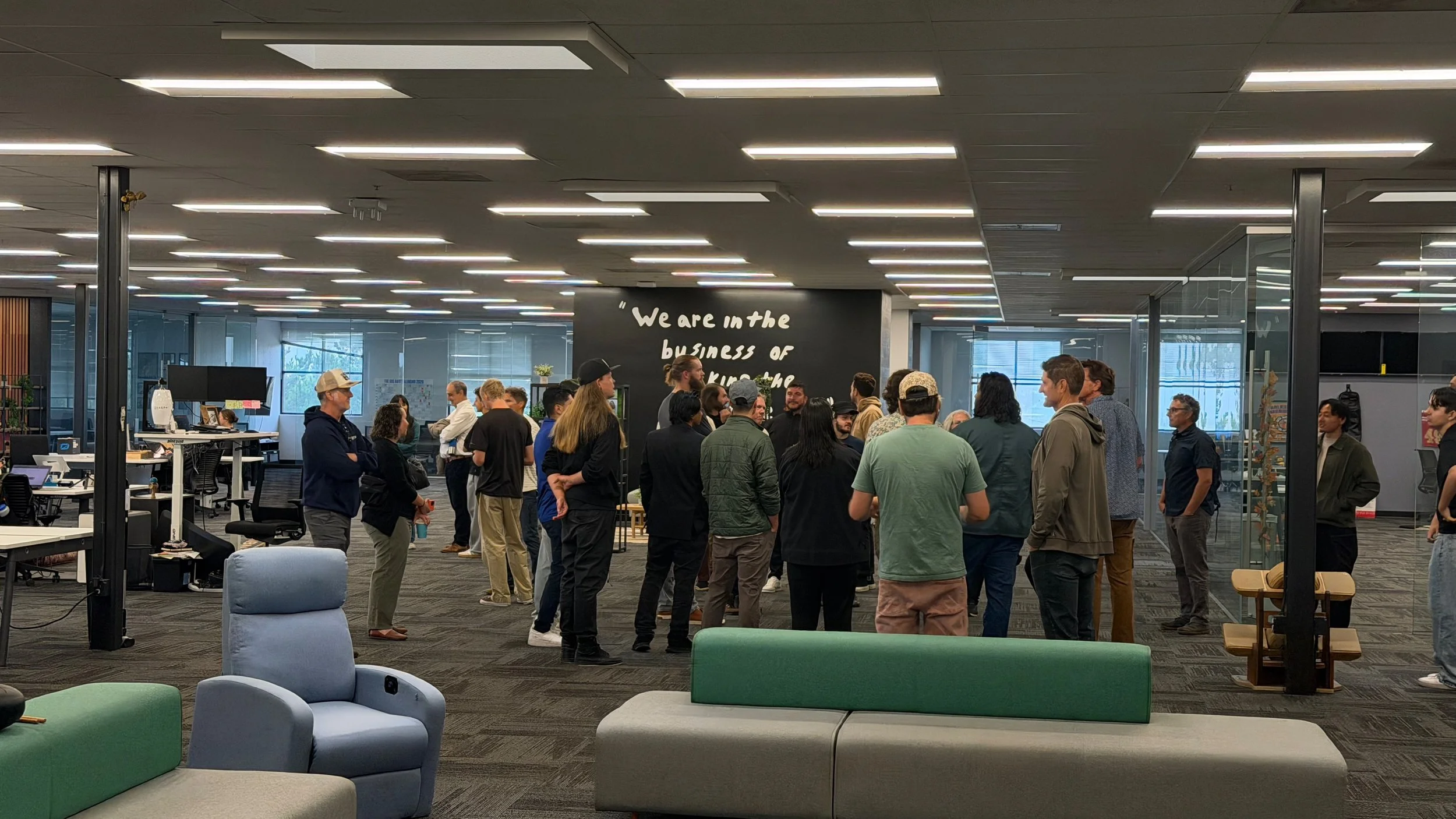
On Friday, June 12, 2026, forty people filed into Future Motion's headquarters for a Santa Cruz Works Company Spotlight Breakfast — and the room sold out well before the coffee was poured. The draw wasn't just the building, though the building is something: a Santa Cruz factory that happens to be the largest manufacturer of light electric vehicles in the United States. The draw was the man at the front of it, Kyle Doerksen, founder and CEO, who has spent the better part of two decades doing the unfashionable thing of building a hardware company in California and keeping the manufacturing here.
Doerksen's story doesn't begin with a board. It begins with snow. He grew up in Calgary, where riding powder on a snowboard became the feeling he would later spend years trying to reproduce on pavement. In the early 2000s he came south to Stanford, started in neuroengineering, and discovered he was less interested in the theory than in the making of things. He left with a master's in mechanical engineering and a conviction that the most interesting problems were the ones you could hold in your hands.
That instinct carried him to IDEO, the Palo Alto design firm responsible for, among other things, Apple's first mouse. He spent roughly eight years there designing consumer and technical products — and, crucially, was on the team that spun out Faraday Bikes, one of the first electric bicycles to treat an e-bike as an object of design rather than a gadget bolted onto a frame. (That detail matters more later than it does now.)
But the idea that wouldn't leave him alone was the snowboard one. Around 2008, Doerksen began tinkering in his garage on nights and weekends, trying to build a machine that carved like powder but ran on a single wheel. The first rideable prototype — affectionately remembered as "Old Iron Sides" — was a chain-driven contraption running on an Arduino and lead-acid batteries scavenged from a security light. By his own account he had low expectations stepping onto it. The first ride changed his mind. A few friends rode it, asked him to build them one, and the thing that was never meant to be a product started insisting on becoming one.
In 2013 he quit his job to chase it full-time. In 2014, Future Motion launched the Onewheel on Kickstarter and raised more than $630,000 — and then made the decision that has defined the company ever since: rather than ship production overseas, Doerksen built the Onewheel in the United States, where the prototype was born.
Why it caught on is bound up in that original snowboarding instinct. Snowboarders, in particular, took to it immediately — it scratches the same carving itch in the off-season, a way to keep finding the flow state through the summer months when the mountains are bare. And unlike surfing, which can take years before you're comfortable on a wave, learning to ride a Onewheel is genuinely approachable; most people are gliding within minutes. That low barrier, paired with a riding sensation people describe as addictive, is how a niche garage project became a global one. At the breakfast, Doerksen put the milestone at nearly 200 million miles ridden on Onewheels, in countries all around the world.
Blue Ocean Strategy
Here is where Doerksen's strategy is worth sitting with, because it's the part founders in the room came to hear. He didn't try to win a market that already existed. He went looking for water nobody else was swimming in — a "blue ocean," in the language of strategy — and built a category from scratch: the self-balancing, lean-to-steer board sport that feels closer to snowboarding than to anything in the micromobility aisle. There was no incumbent to unseat because there was no category yet. The trade-off is that you have to teach the entire world what your product even is. The reward is that, if you do it well, the category and your name become the same word.
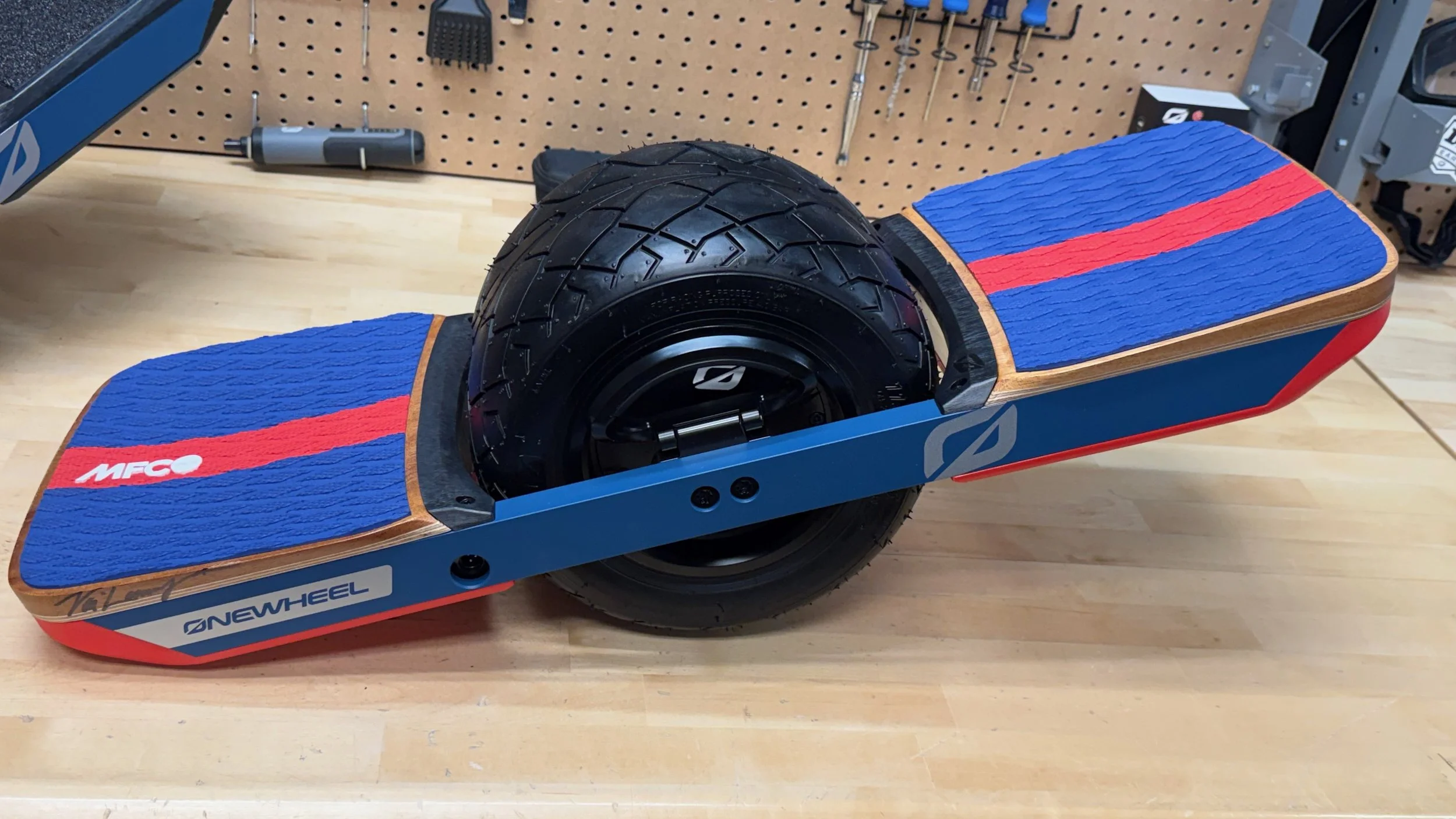
Future Motion has spent the decade since defending that water with the thing that's hardest to copy: patents and manufacturing. The company now holds well over a hundred patents and has iterated relentlessly through the Onewheel+, the XR, the Pint, and the GT — each extending range, power, or accessibility while keeping the carve intact. Tony Hawk and Kelly Slater rode early versions. World-renowned waterman Kai Lenny — equally at home under a thirty-foot wave or strapped to a foil — rides a Onewheel custom-built for him by the Future Motion team. Now, nearly 200 million miles have been ridden on Onewheels worldwide.
You know a product has truly arrived when The New Yorker puts it on the cover with no caption and assumes you'll get the joke. As Scot Herbst, Creative Director of Herbst Produkt, pointed out to the room, Adrian Tomine's June 24, 2024 cover — titled "Eternal Youth" — does exactly that: a dad in headphones and an Olivia Rodrigo tee glides obliviously down the sidewalk on a Onewheel, sipping from a tumbler, while his preteen daughter walks a careful three feet away, mortified beyond words. Tomine didn't need to explain the board. By then it had become shorthand for a certain kind of guy who refuses to act his age — which, if you're Future Motion, is roughly the highest compliment a product can earn.
Full Circle
The most quietly satisfying part of Doerksen's arc is where it has arrived. In late 2025, Future Motion launched Antic— a new brand whose debut product is a 1970s-inspired electric mini bike that borrows the Onewheel's hub motor, batteries, and gyroscopic balancing tech to do something gloriously unnecessary: hold a rider in an assisted, effortless wheelie. The mission, in Doerksen's framing, is to build machines that make you feel like a kid again.
It is also, if you've been paying attention, a man who started his career helping spin out an electric bike returning to electric bikes — now with his own balancing technology and his own factory underneath it. The Antic bikes, like every Onewheel before them, are designed and assembled in the United States.
For a Santa Cruz Works audience, that's the lesson worth carrying out the door. Doerksen didn't find an easier market. He invented a harder one, taught the world to ride it, and built the manufacturing to own it — all from a factory floor a few minutes from the waves that, in a roundabout way, started the whole thing.
Related Articles
Breakfast at Future Motion: A Santa Cruz Works Company Spotlight — The official invite to the sold-out morning that this story came from, with the backstory on Future Motion and Onewheel.
Onewheel GT, Future Motion's New Flagship Model Now Shipping — A look at the flagship board that more than doubled Future Motion's USA manufacturing capacity, all built in California.
Onewheel Celebrates Tenth Anniversary with Pint X Sale and New Documentary Film — Marking a decade of the board, the riders, and the community that turned a garage idea into a movement.
New Board, Who Dis? Onewheel Launches Expanded Trade-In Program — How Future Motion keeps longtime riders on the newest boards while reclaiming used scooters, e-bikes, and e-waste.