

Researchers have developed an alternative to conventional fish feed that could reduce aquaculture's reliance on wild-caught fish.
Researchers at UC Santa Cruz have developed a new fish feed that replaces all fish-derived ingredients with microalgae and canola oil, potentially offering a more sustainable way to raise farmed fish without putting additional pressure on ocean ecosystems.
The findings, published in the scientific journal Antioxidants, build on years of research led by UCSC environmental studies professor Pallab Sarker and his team.
Conventional aquaculture feed relies heavily on fishmeal and fish oil produced from small wild-caught fish, including sardines and anchovies. As global demand for farmed seafood increases, harvesting these species for feed can disrupt marine food chains and contribute to rising production costs.
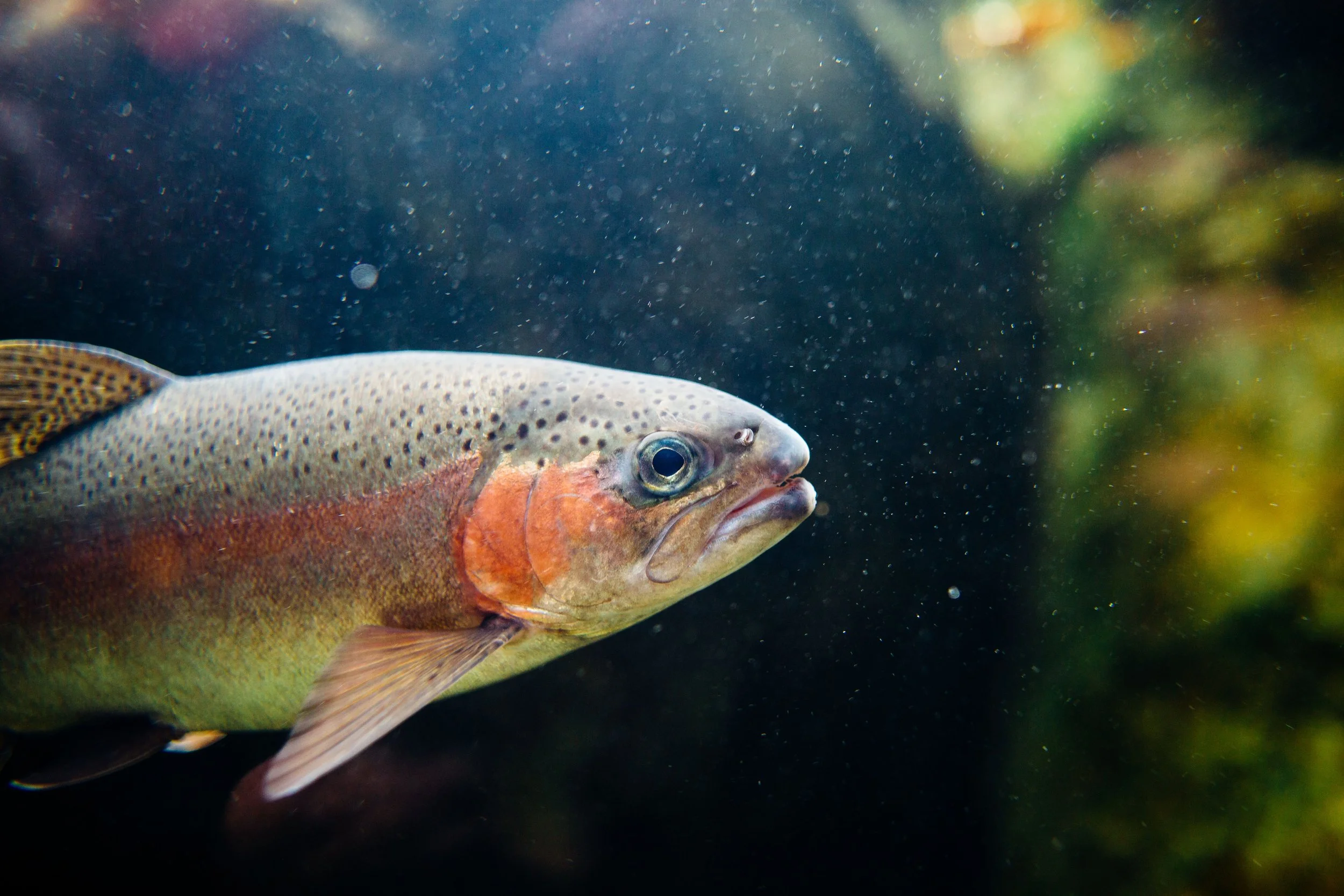
In a study lasting more than two months, researchers fed rainbow trout a diet combining two species of marine microalgae with canola oil. The fish maintained comparable growth, digestion, and nutritional quality to trout raised on conventional feed.
The research also has commercial potential. Some of the microalgae ingredients can be sourced from byproducts of existing industries, including nutritional supplement manufacturing. Reusing these materials could lower costs and reduce waste.
The team has already conducted additional trials at Mt. Lassen Trout Farm and a California Department of Fish and Wildlife hatchery, finding no statistically significant differences in growth compared with commercially fed trout.
““The search for alternatives to fish in aquafeeds has a long and not always positive history. The work of the Kapuscinski-Sarker lab group using several species of microalgae and canola oil is an exciting and positive step forward in this search.””
Larger-scale testing is still needed to determine whether the alternative can compete economically with conventional feed. If successful, the technology could help aquaculture producers reduce their reliance on increasingly volatile wild fish supplies.
Read the original UC Santa Cruz article for more information.
Related Articles
New Study Shows How Microalgae Could Help Advance Sustainable Trout Farming | UC Santa Cruz
Santa Cruz Science Could Help California Spend Climate Billions Smarter | Santa Cruz Works
Cruz Foam's Rise and Closure Offer a Lesson in Product-Market Fit | Santa Cruz Works