

CarbonBridge's DGF-100 Graduates from Lab Curiosity to Production Reality
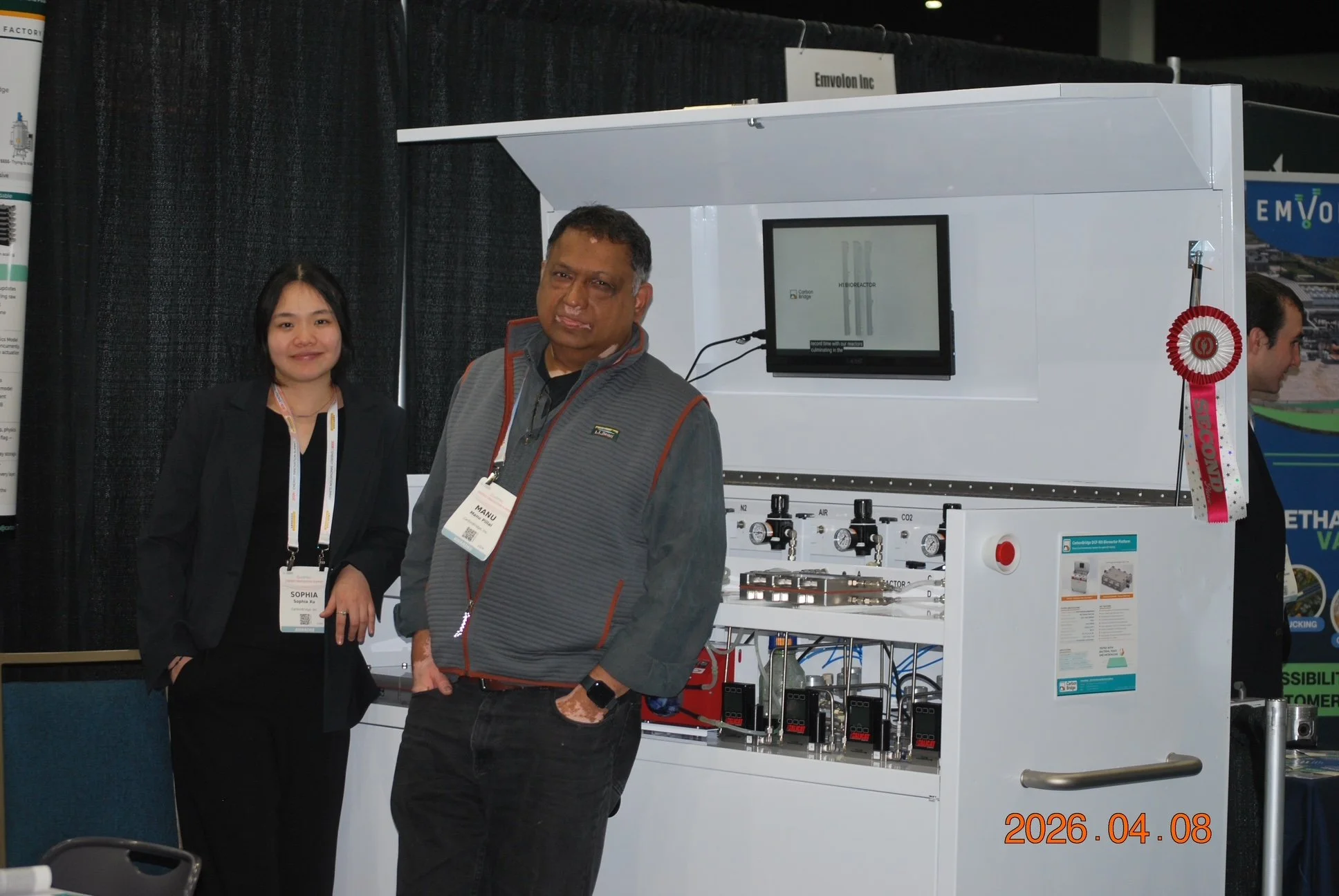
CarbonBridge's direct-gas bioreactor now runs with automated self-diagnostics, earns an intern's stamp of approval, and heads toward NRTL certification at a customer site: proof that hardware, not just chemistry, is maturing fast.
Here's the thing about deep tech: everyone obsesses over the breakthrough moment and ignores the unglamorous grind that turns a breakthrough into a business. CarbonBridge, a Santa Cruz Works Accelerates graduate converting waste gases into renewable methanol, just gave us a masterclass in the grind, and it's paying off.
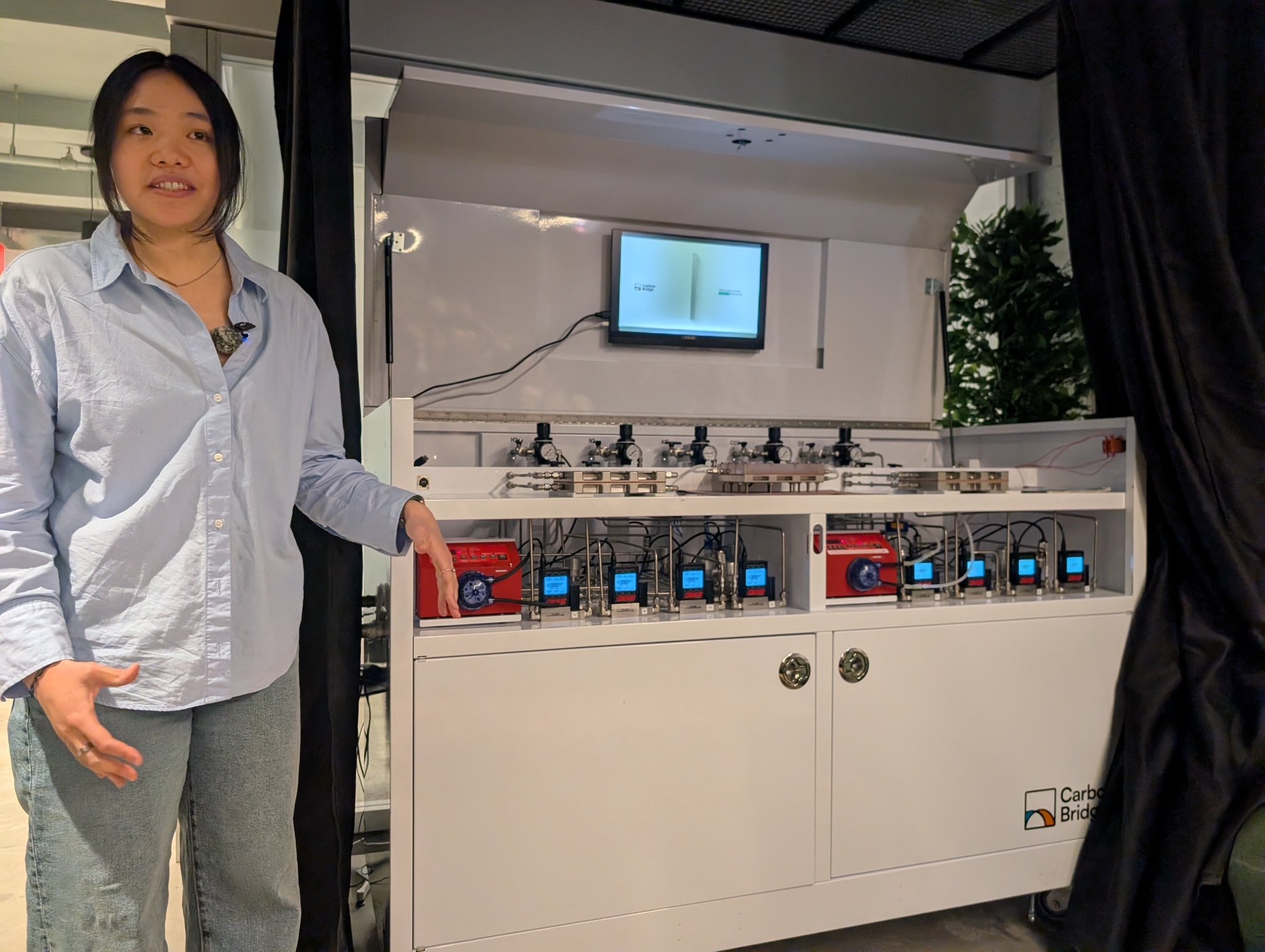
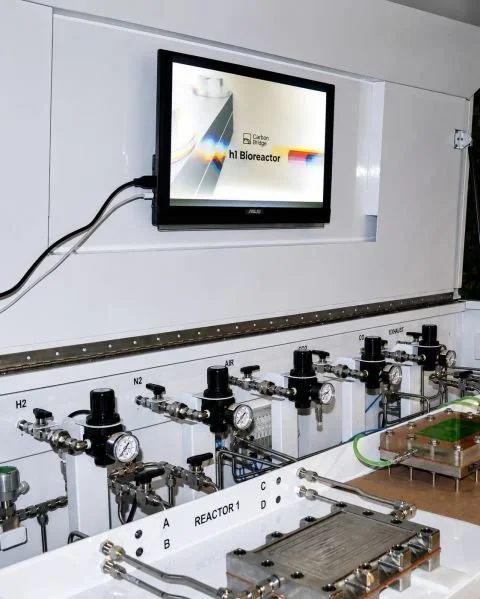
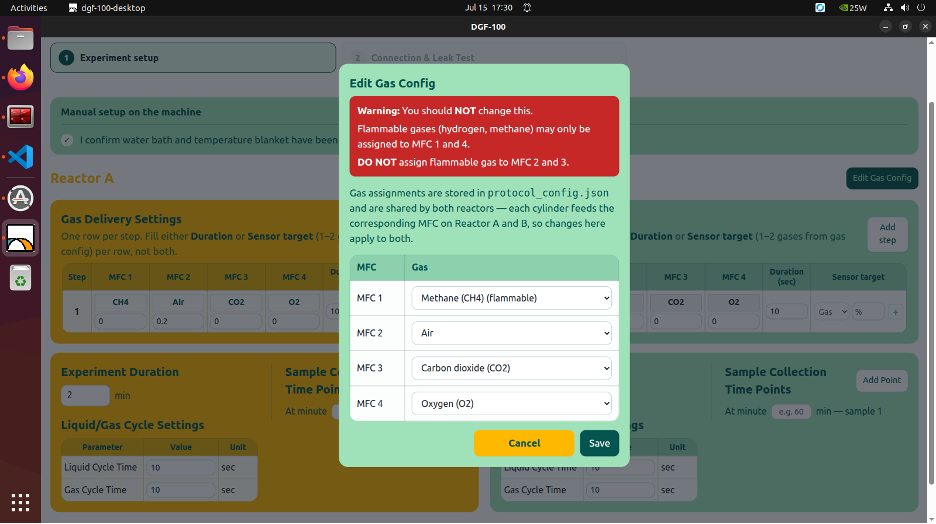
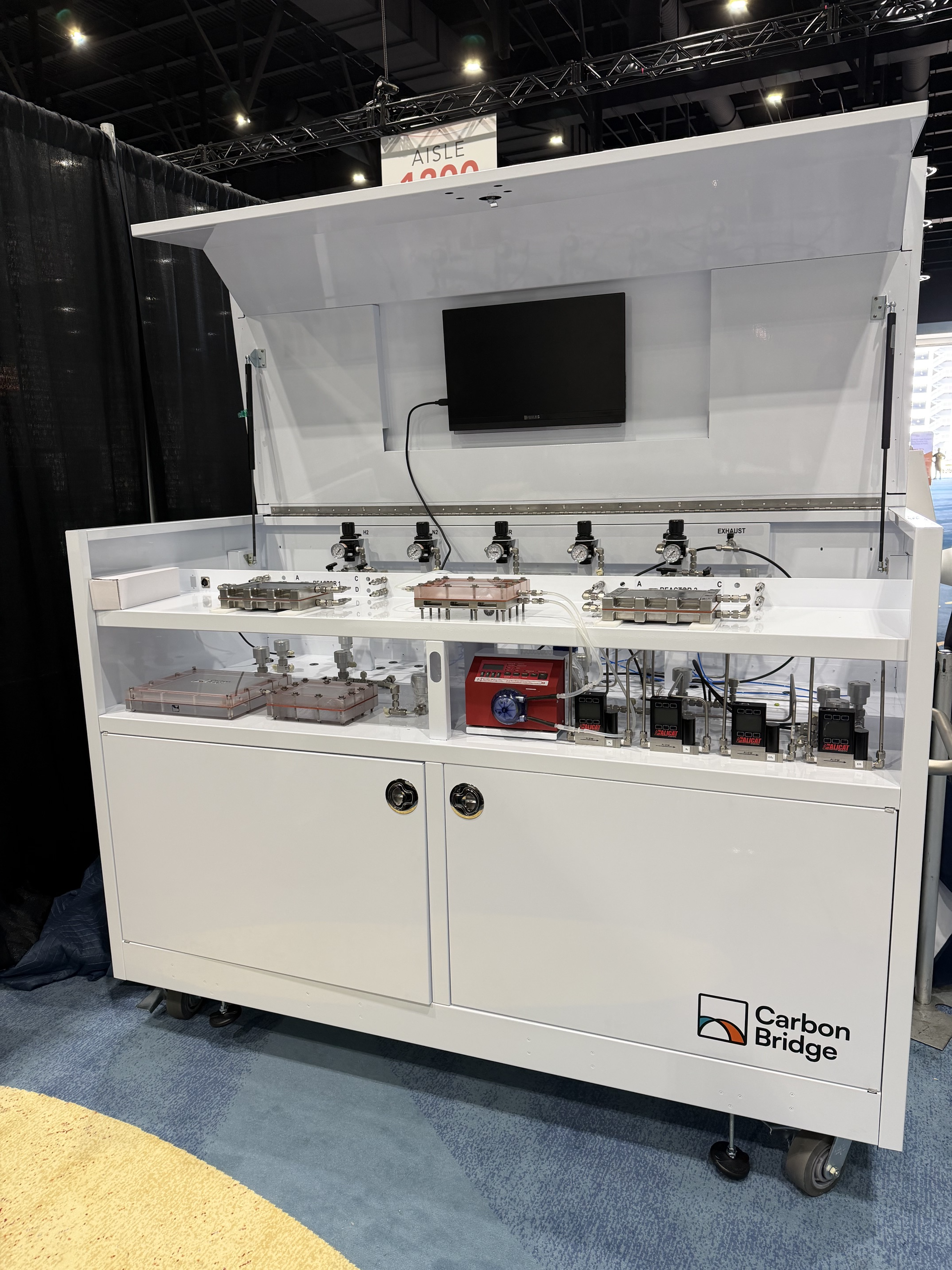
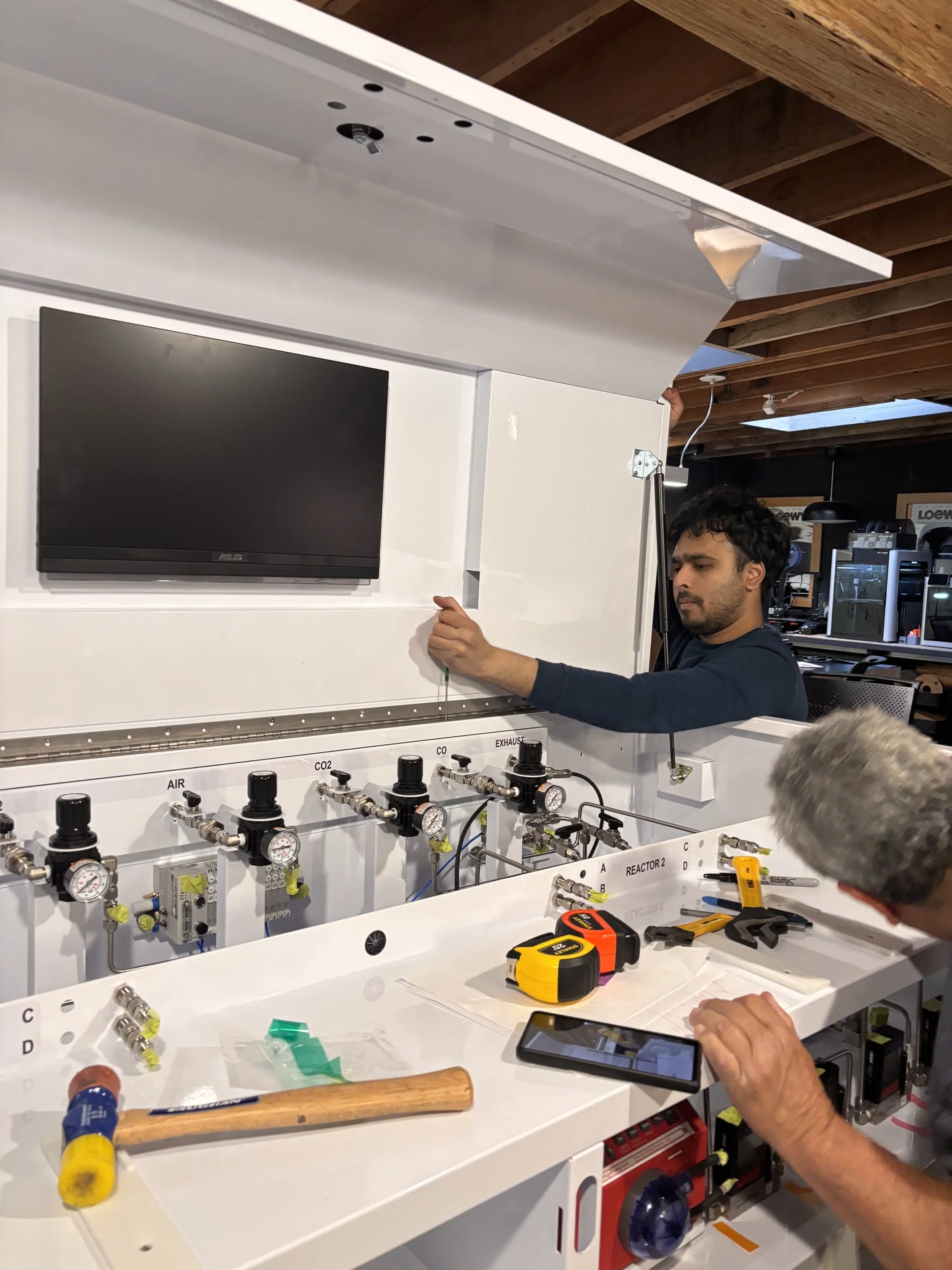
The company's DGF-100 unit now runs POST and BIST, Power On Self Test and Built-In Self Test, quietly working in the background during runtime. Translation: the system checks itself while it's running, catching problems before a human has to. That's not sexy. It's also exactly the kind of boring reliability that separates a lab demo from a product a customer will actually buy. When your intern, Nicole in this case, calls the system "so easy to use," that's not a throwaway compliment. That's a usability signal, and usability is the thing hardware startups chronically underprice.
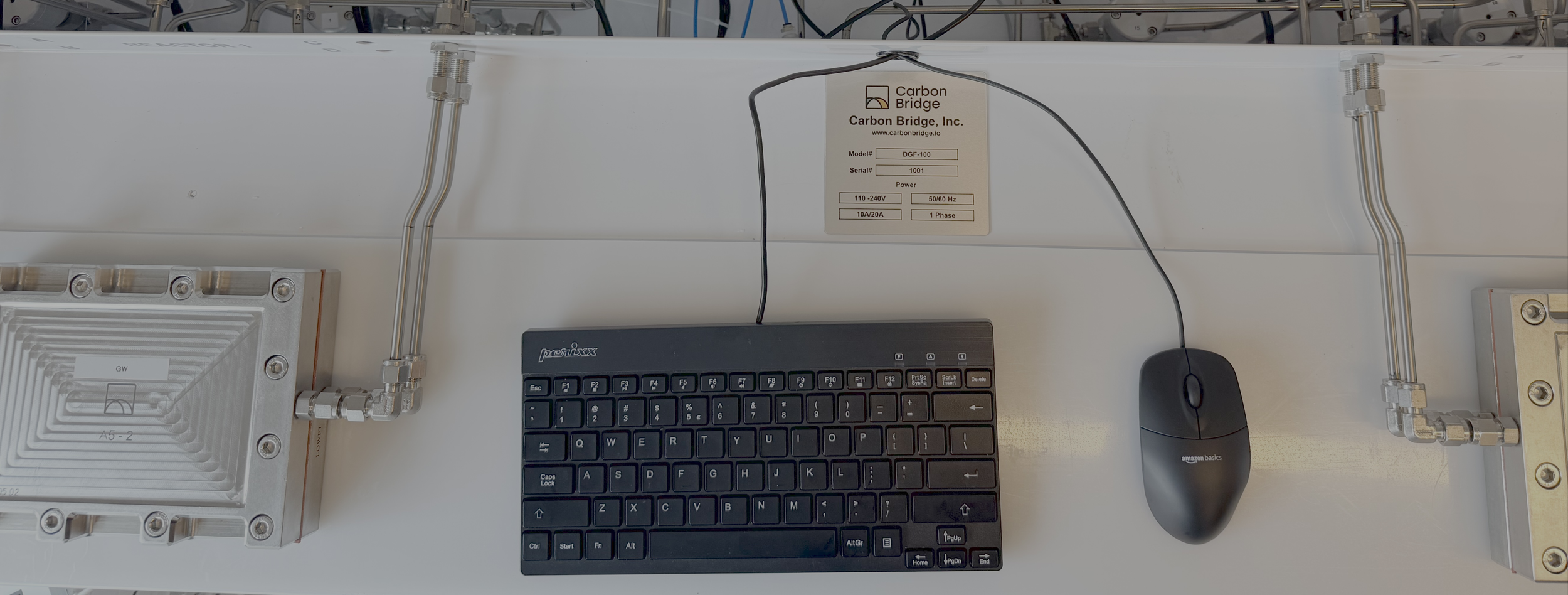
Next up: NRTL certification at the customer site, with serial number 1001 already in the field. Certification is the unglamorous toll booth every industrial hardware company has to pass through before anyone writes a real check. And because CarbonBridge built its systems architecture to port directly from the DGF-100 to its larger-scale units, every hour spent hardening this box is an hour of runway for the next one. That's leverage, the good kind, the kind that compounds.
The more interesting shift is strategic. A year ago, investors told CarbonBridge it competed with the renewable fuels incumbents. CarbonBridge's answer: those aren't competitors, they're customers. That thesis is now converting into pipeline. Equipment-first companies get to sell into existing footprints and existing sales channels instead of fighting for them, a far less bloody, far more capital-efficient path to scale.
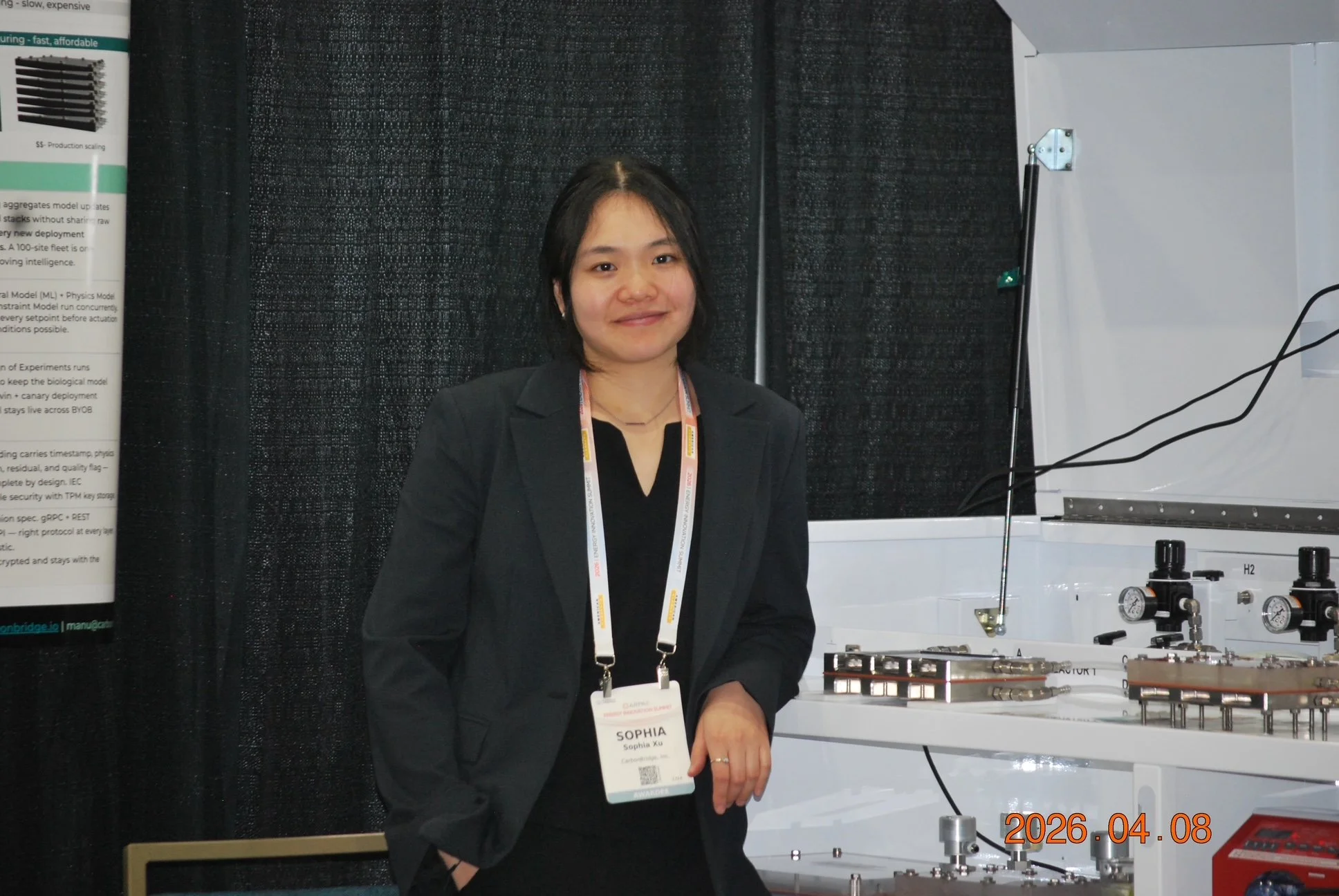
And the tailwinds keep stacking. ARPA-E just extended support with another $1.85M, pushing the total award to $2.57M. RTI International is partnering on a customer-visitable demonstration of the biomanufacturing platform, the kind of "come see it running" proof point that shortens enterprise sales cycles. CSO Sophia Xu presented at the 2026 Gordon Research Conference on Microbial C1 Metabolism, keeping the company's science credibility in front of the people who matter.
None of this is a victory lap. CarbonBridge would be the first to say there's more work ahead. But the direction is unmistakable: a startup that spent its early years proving the chemistry works is now proving the hardware, the reliability, and the go-to-market can scale with it. That's the unsexy trifecta that turns a promising accelerator alum into a company an incumbent has to take seriously.
Related Articles
CarbonBridge Scores $1.85M ARPA-E Extension, Partners with RTI International — The funding and demonstration-site milestones behind this update, including CarbonBridge's growing roster of paying customers.
Gas to Gold: CarbonBridge's Bioreactors Set New Industry Benchmark — How CarbonBridge's reactor design delivers a fourfold improvement in methane-to-methanol conversion.
CarbonBridge 2025: Big Moves, Bright Future, Bold Impact — A look back at the company's move to Harlem Biospace and its early-2025 funding and industry-event momentum.
The Startup Making Renewable Methanol at the Lowest Price — A primer on CarbonBridge's biocatalysis approach and how it bypasses the energy-intensive Fischer Tropsch process.