

Open Culture Science and the Case for Biology You Can Talk To
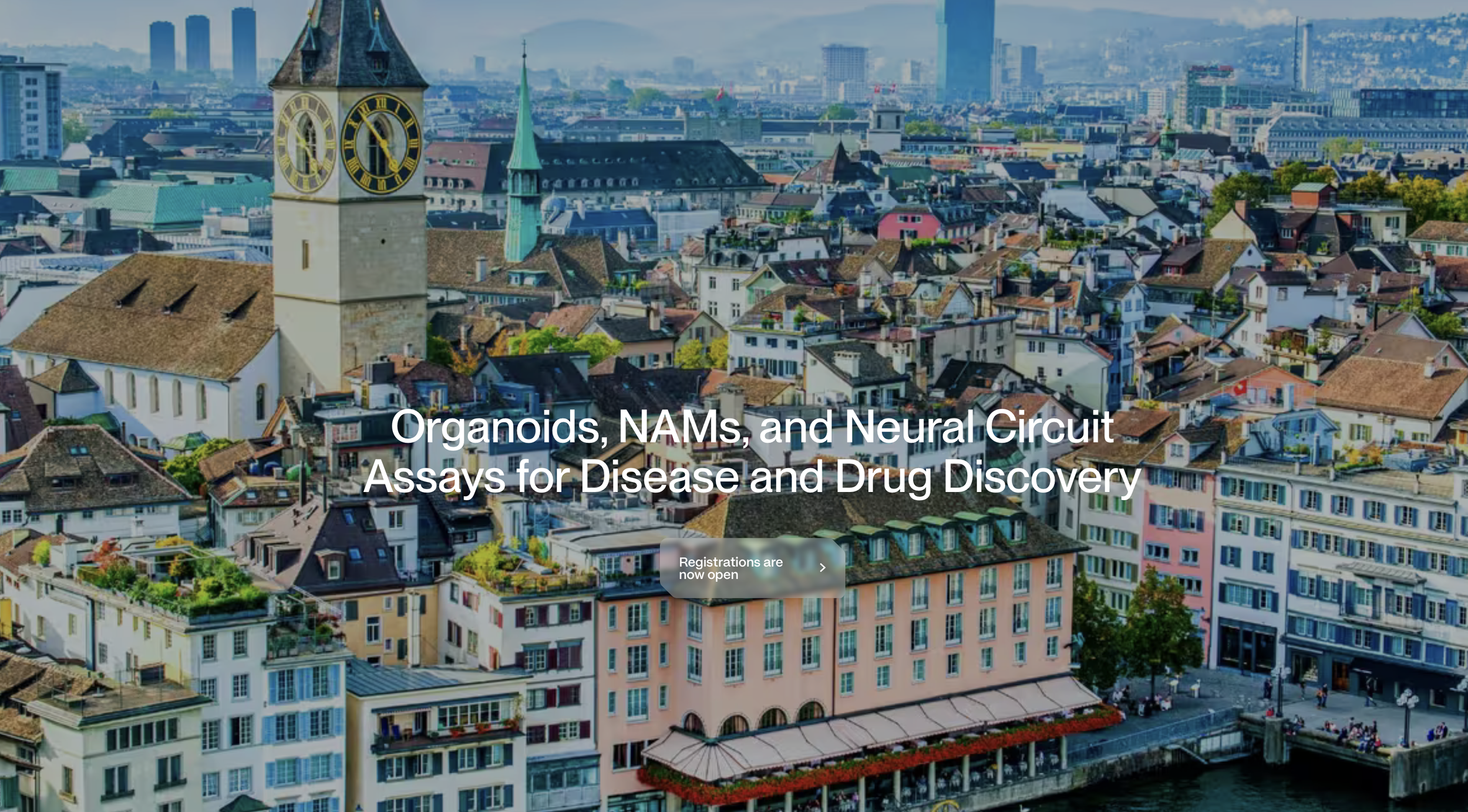
At NeuMoS 2026 in Zurich, Santa Cruz's Open Culture Science soft-launched an AI-run lab platform that turns plain-language requests into living experiments, and made a serious case for leading a new field.
When people talk about AI transforming science, they usually picture a model that generates brilliant hypotheses. But ask working biologists what slows them down, and you often hear something more ordinary: hands. Open Culture Science CEO Spencer Seiler has argued that the basic tools of biology haven't moved much beyond the pipette. Labs can sequence a genome in hours, yet someone still has to show up at 2 a.m. to feed the cells.
Open Culture Science was built to close that gap. Last week in Zurich, it showed how far it has come.
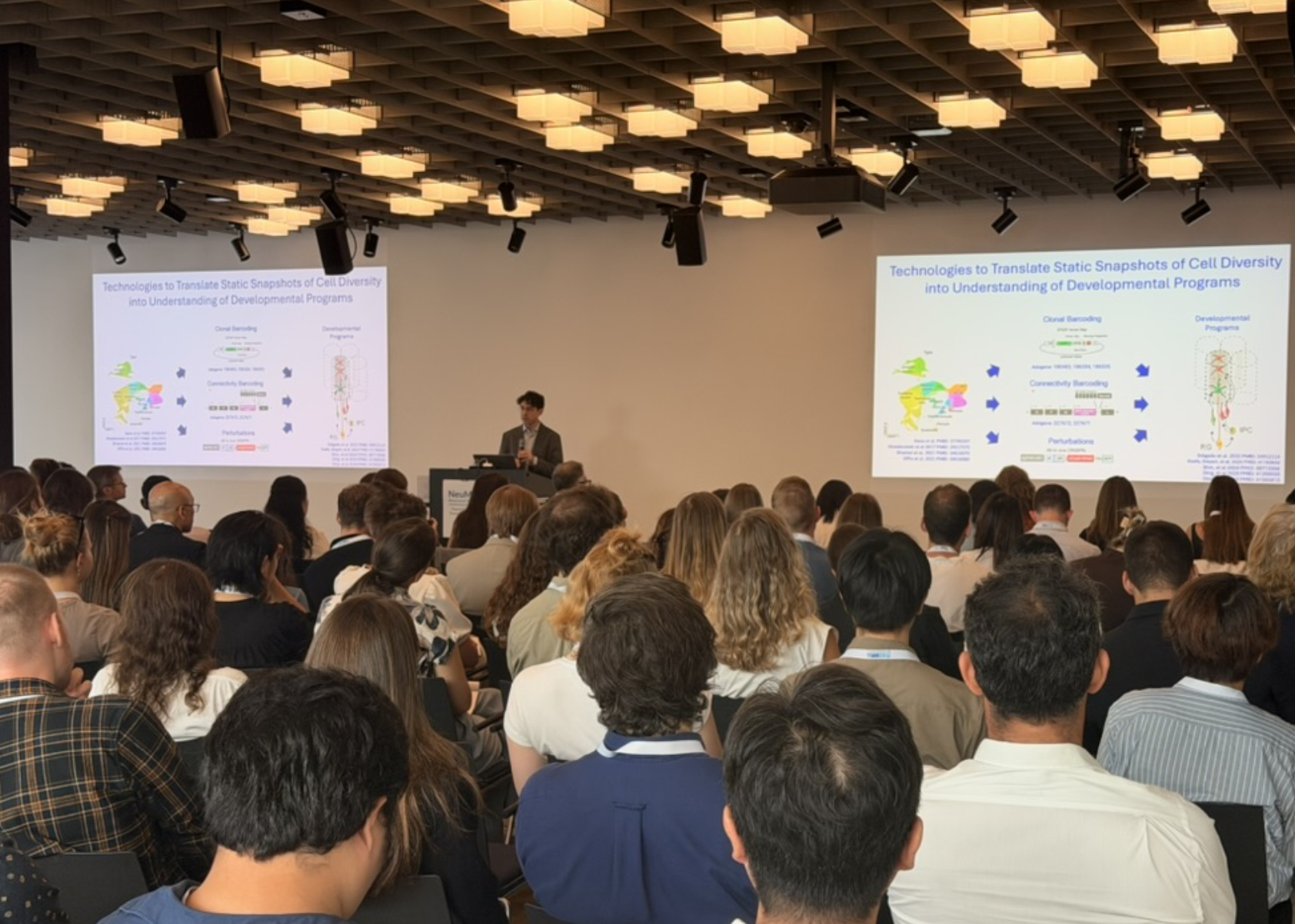
The venue matters. NeuMoS 2026 was MaxWell Biosystems' symposium on organoids, animal-free testing methods, neural circuit assays, and biocomputing, held September 16–18. MaxWell makes the high-density electrode chips at the core of Open Culture's platform, and the room was full of the scientists most likely to buy it. Open Culture was one of only two Gold sponsors, alongside bit.bio. For a pre-seed company working out of the Wrigley Building on Santa Cruz's Westside, that's a statement of intent.
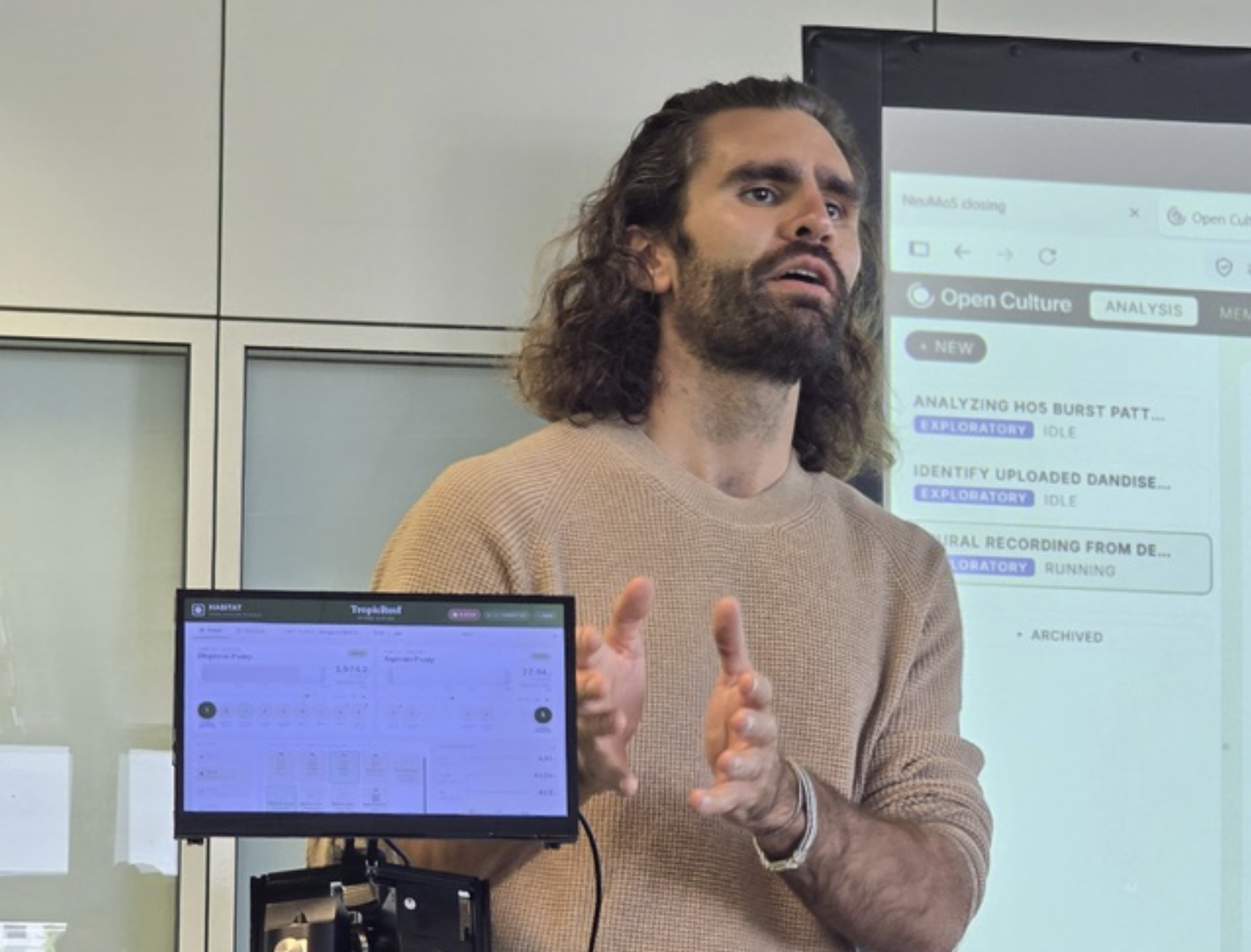
The soft launch was a workshop called "Plate → Prompt → Publish," led by Seiler and Head of Intelligence Tjitse van der Molen. It showed a team of AI agents run through a single chat window. One keeps cultures fed and dosed. Another designs and runs electrode experiments. A third, called SpikeLab, turns raw neural signals into figures ready for a journal. The researcher approves a plan, and the system runs by itself, overnight if needed, without a line of code.
What stands out to me is that the product isn't really automating labor. It's automating the distance between wanting to run an experiment and running it. Software went through this transition decades ago, as compilers and the cloud made execution cheap and let ideas move at the speed of intent. Biology never got that shift. Open Culture is betting it can deliver it.
Is Open Culture the world leader?
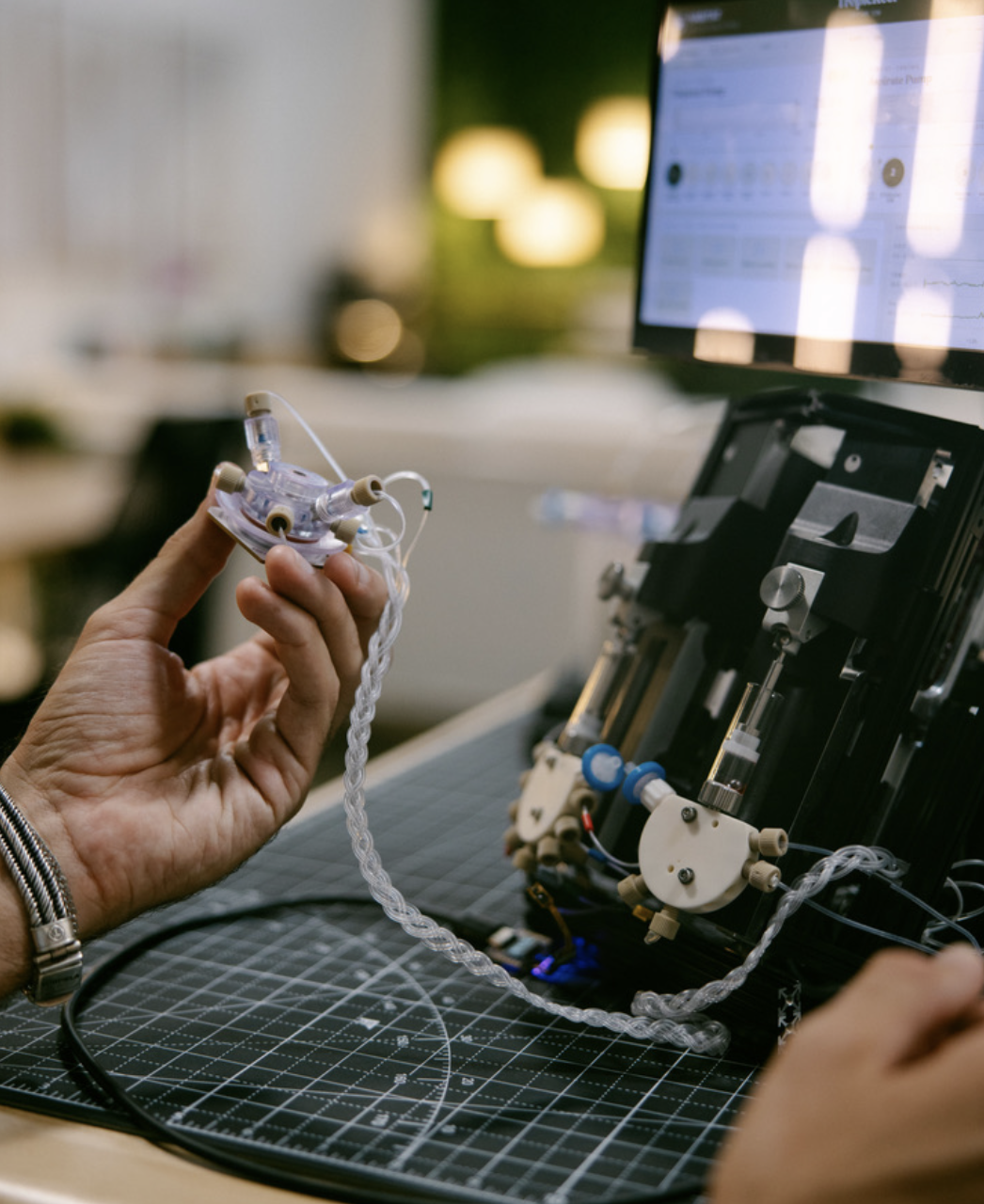
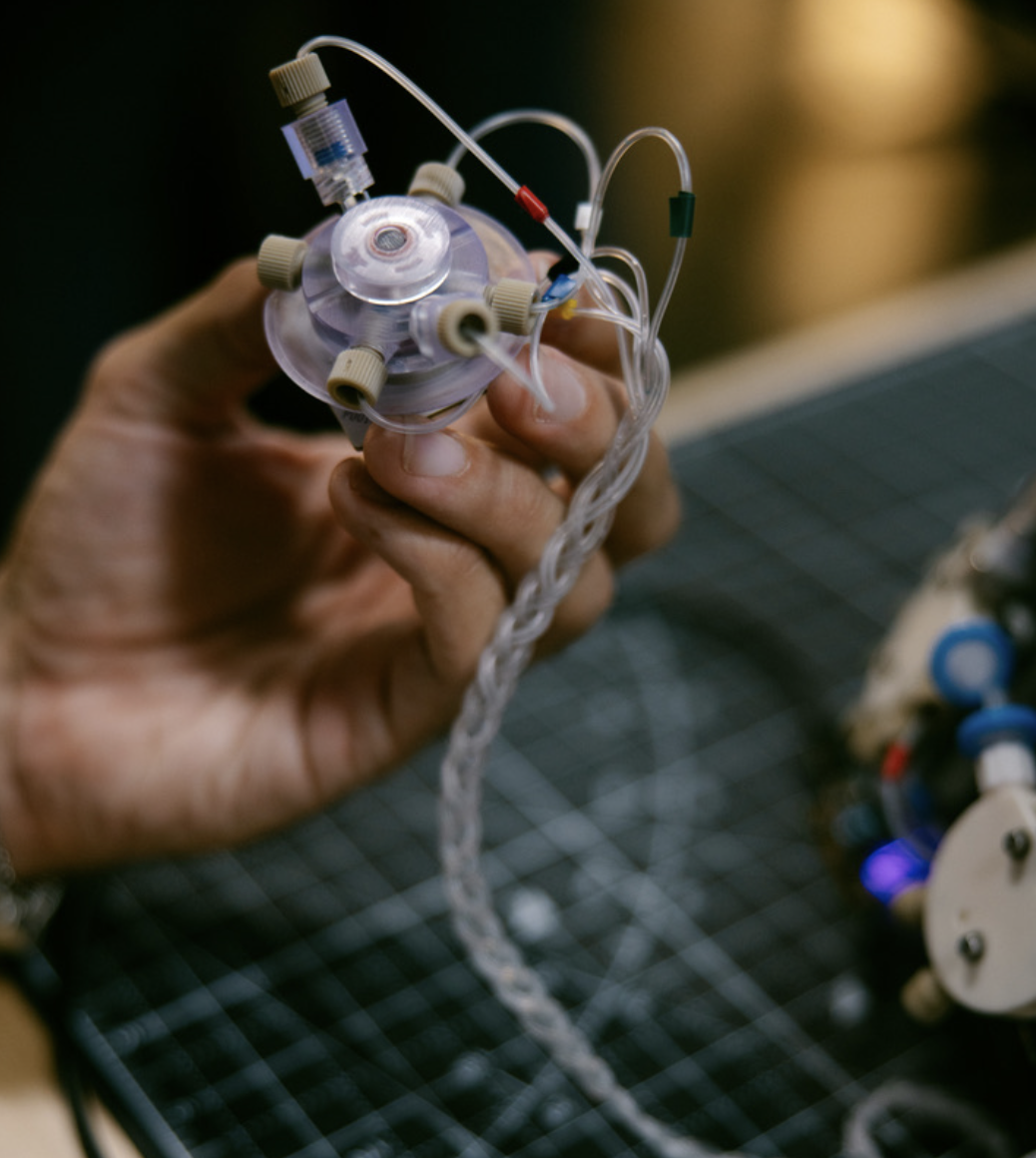
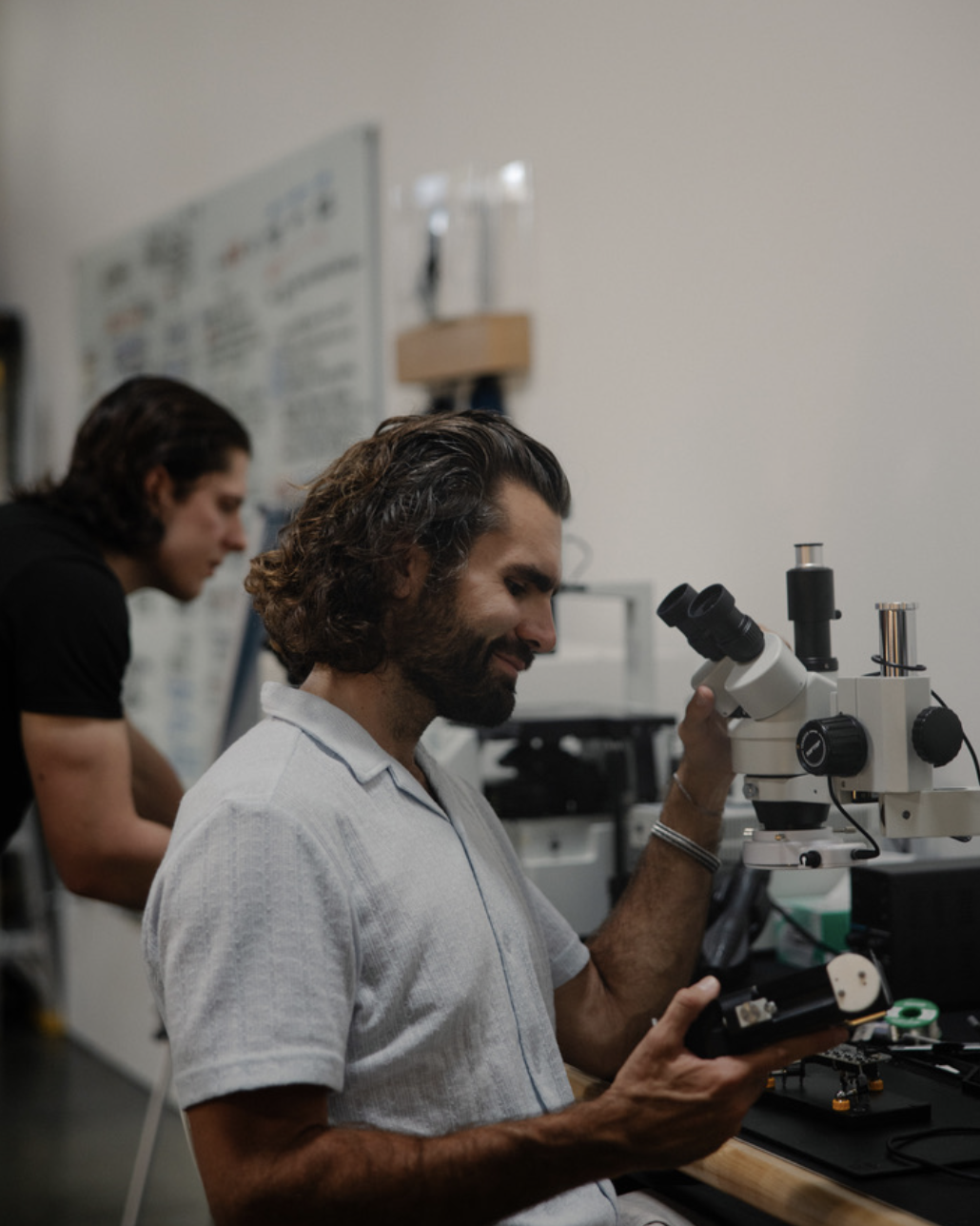
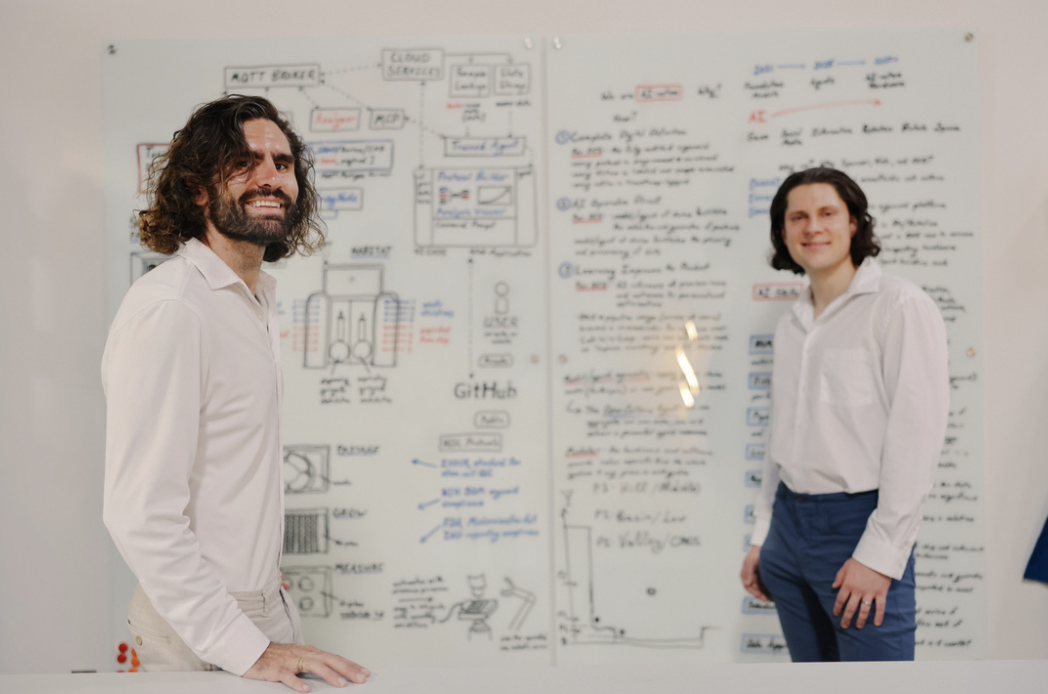
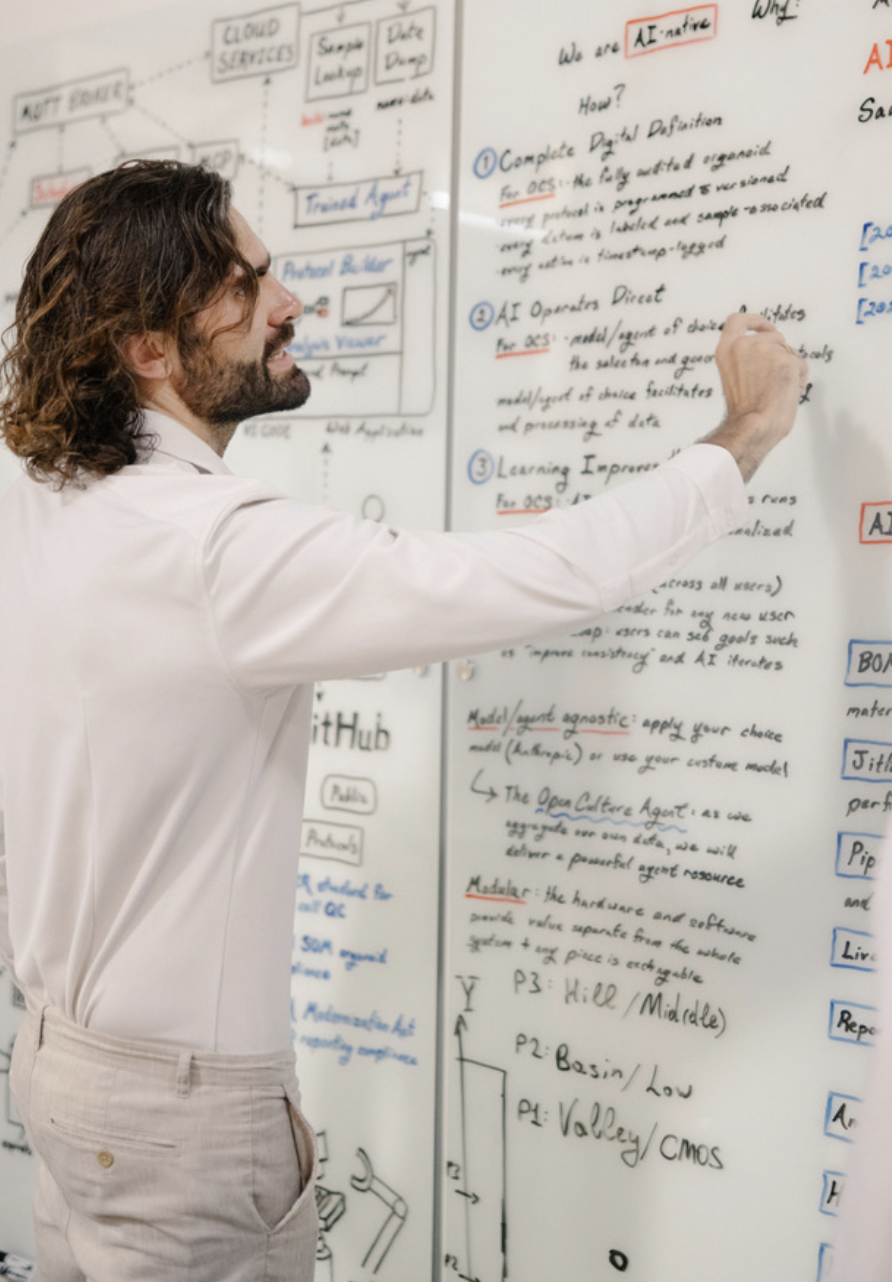
Seiler believes so, and the claim deserves to be taken seriously, and stated precisely. Plenty of companies automate one piece of the pipeline. Very few, if any, have shown the whole loop in one benchtop system: culture, recording, stimulation, and analysis, all driven by conversation.
The evidence goes beyond a demo:
In a week-long published study, the platform captured 158 automated recordings, where manual work produced seven.
In August, SpikeLab ran the analysis for a Nature paper and turned raw recordings into publishable results in a single day.
The honest caveat is that leading a category that barely exists yet is both a real achievement and a fragile one. Open Culture is still at the pilot stage, its seed round is still ahead, and the incumbents in lab automation are far larger. Being first to a frontier is not the same as holding it.
What makes the bet credible is where it comes from. Santa Cruz had an unusually strong presence in Zurich. UCSC's Tal Sharf and the Genomics Institute's Mohammed Mostajo-Radji both gave talks. Braingeneers co-founder Mircea Teodorescu co-led a workshop. The keynote list even included UCSF's Tom Nowakowski, whose passing remark about an "open culture" gave the company its name. This is what a research ecosystem looks like when it starts producing companies.
The next thing to watch isn't the hardware. It's whether other labs start sharing protocols on the platform, the way UCSC's Genome Browser made open genomic data the norm a generation ago. If they do, Open Culture's real product will be a community, not a machine.
Labs interested in piloting Habitat can apply at openculture.ai.
Related Articles
How Open Culture Science Is Rewriting the Future of the Petri Dish — SCW's first look at the company's Genomics Institute roots and its pre-seed round backed by Santa Cruz Ventures.
An Organoid's View of the Future of the Lab — The Autoculture story, told from the point of view of the organoid it keeps alive.
Nine Projects Receive Seed Funding from UCSC's Genomics Institute — The research pipeline feeding UCSC's next wave of biotech spinouts.
Neuronal Models Symposium (NeuMoS) 2026 — MaxWell Biosystems' official event page, with the full speaker lineup, workshop program, and Open Culture's Gold sponsorship.
NeuMoS 2026 Event Listing — The International Society for Stem Cell Research's listing of the Zurich symposium among notable meetings in the field.
10 Years of Innovations: A Summer of New Connections and Launches — MaxWell's August newsletter previewing NeuMoS, its new hands-on workshop day, and the company's 10th anniversary.
Neuronal Models Symposium 2026 Registration Open — MaxWell's LinkedIn announcement of the symposium, where attendee and speaker posts from the week are likely to surface.